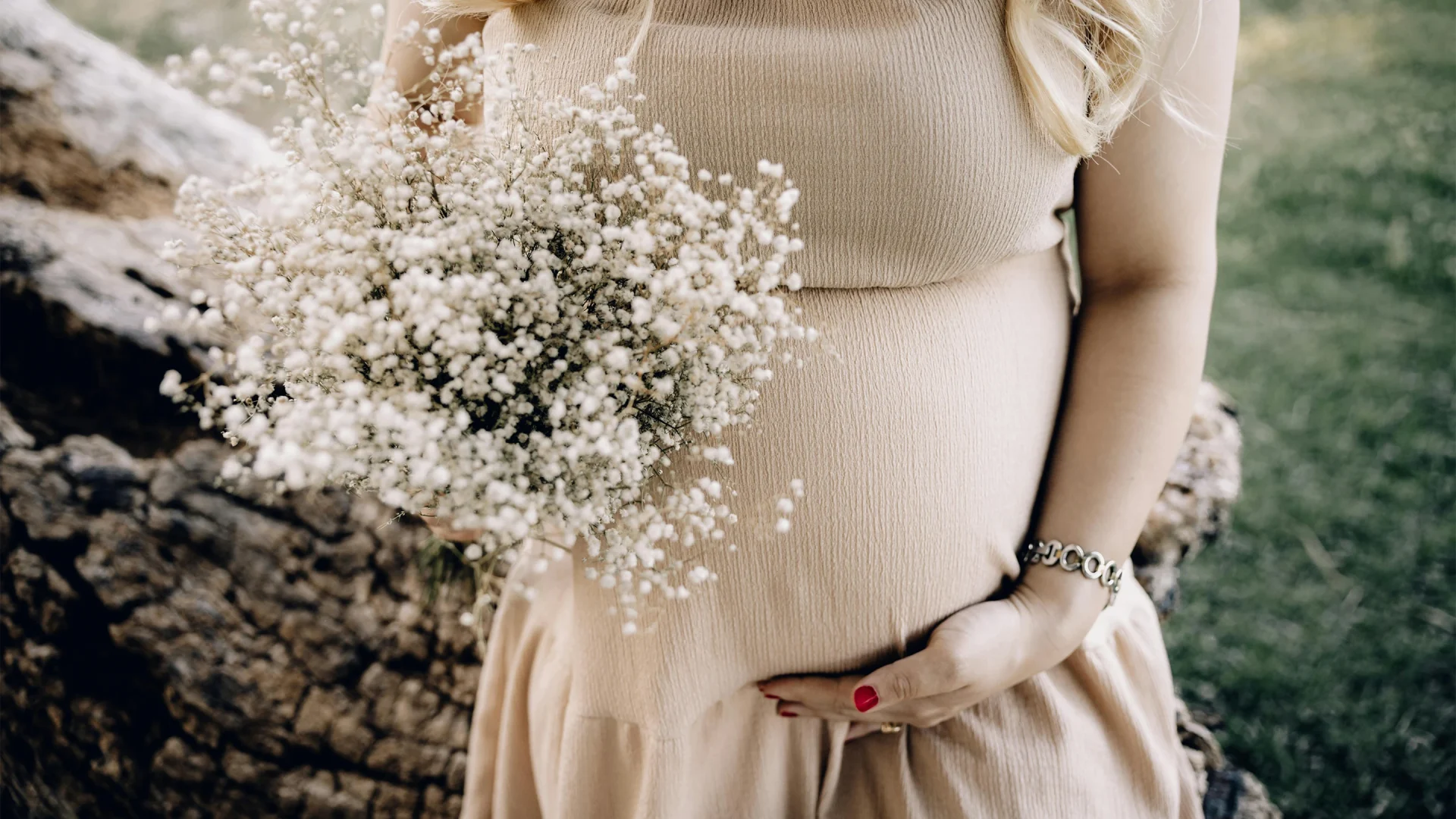
What is maternity fashion style? It’s a way of dressing during pregnancy that balances comfort, fit, and confidence as your body changes—without losing your personal aesthetic. The goal isn’t to “hide” a bump or buy an entirely new wardrobe. It’s to choose silhouettes, fabrics, and outfit formulas that adapt week to week, work with proportion, and still feel like you.
This guide breaks down the key principles of maternity style, what’s worth buying, what you can adapt from your existing closet, and how to pick pieces that stay useful beyond one stage.
What Is Maternity Fashion Style?
Maternity fashion style is the intentional approach to clothing that accommodates a growing bump while keeping a polished look. It focuses on:
- Comfort (soft, breathable fabrics; non-restrictive waistlines)
- Proportion (balancing the bump with smart lengths and layers)
- Adaptability (pieces that stretch, adjust, or layer well)
- Personal style (keeping your signature colors, shapes, and vibe)
In practice, maternity style can look minimalist, classic, edgy, romantic, or sporty. The difference is that the clothes are chosen for changing measurements, not a fixed size.
The Core Principles of Dressing Well While Pregnant
1) Prioritise comfort without looking “too casual”
Comfort is non-negotiable, but it doesn’t have to mean oversized everything. Look for comfortable structure: a defined shoulder, a clean neckline, a longer line, or a consistent color palette. These details add polish even when the base pieces are stretchy.
2) Use proportion to make outfits feel intentional
As your bump grows, the usual “half-tuck + belt” tricks may not work. Instead, use proportion strategies that frame your shape:
- Choose clean lines (scoop, square, or V-neck) to elongate.
- Balance volume: if the top is relaxed, keep the bottom more streamlined (or vice versa).
- Use mid-calf or above-ankle lengths to avoid a “swallowed” silhouette.
- Layer with open-front pieces (blazers, shirts, lightweight coats) to create vertical lines.
3) Build outfits around a small set of repeatable formulas
A handful of reliable formulas reduces decision fatigue, especially when your fit changes month to month. Aim for 3–5 outfit templates you can rotate by swapping colors and layers.
4) Choose fabrics that stretch, breathe, and bounce back
Fabric quality matters more in pregnancy because fit is constantly shifting. Look for:
- Ribbed knits (supportive with stretch)
- Jersey with good recovery (not thin, not clingy in an uncomfortable way)
- Cotton blends and bamboo blends (breathable)
- Soft denim with stretch panels (if you like jeans)
- Viscose and modal for drape (great for dresses and tops)
If a fabric feels “fine” in the fitting room but you’re tugging at it within 10 minutes, it won’t become more comfortable later. Pregnancy magnifies irritation points.
What’s Worth Buying for Maternity Style (The Smart Capsule)
The most cost-effective maternity wardrobe is a small capsule built around pieces that are comfortable now and useful later. Consider these high-impact buys:
Maternity leggings or ponte trousers (1–2 pairs)
They form the base for casual and elevated looks. Choose opaque fabric, a supportive over-bump panel (or under-bump if you prefer), and a finish that can pass for “real pants” when paired with a longer top or blazer.
A great pair of maternity jeans (optional but powerful)
If denim is part of your regular style, a maternity jean instantly makes outfits feel familiar. Dark wash reads more polished and transitions well with knitwear and blazers.
Bump-friendly knit dresses (1–3)
Knit dresses are the easiest way to look put together with minimal effort. The best ones have:
- Ribbed or structured knit
- Side ruching or stretch shaping
- Midi lengths for versatility
- Necklines that work for nursing later (wrap, V, button-front)
Comfort-forward underwear and bras (the best upgrade you can make)
Support changes quickly. A well-fitting bra and soft underwear can make everything else feel better. If you plan to breastfeed, consider bras that convert to nursing (even if you don’t need that feature immediately).
A few “bridge” tops (2–4)
Bridge tops are pieces that look like your usual style but accommodate a bump: longer tees, rib tanks, button-down shirts, or wrap tops. Choose colors that match your current wardrobe so you can keep wearing your existing layers.
One polished layer (blazer, shacket, or lightweight coat)
An open-front layer creates structure and vertical lines, making outfits feel styled. If you buy one new layer, size it for shoulder fit, and wear it open.
What You Can Adapt From Your Existing Wardrobe
Before buying anything, shop your own closet. Many non-maternity pieces can work surprisingly well with pregnancy proportions.
Oversized button-downs and shirts
Wear them open over a fitted tank, tie them above the bump, or half-button them with a bump-hugging base layer. This keeps the look modern instead of “just big.”
Blazers, trench coats, and longline outerwear
Most structured outerwear can be worn open across many months. Focus on clean shoulders, sleeve length, and overall balance.
Elastic-waist skirts and soft midi skirts
Skirts can often be worn above the bump (as a high waist) or below it depending on comfort. Pair with a fitted knit top to keep proportions intentional.
Stretch knitwear
Ribbed sweaters, tunics, and longline cardigans can stretch with you and remain wearable postpartum.
Shoes that already support you
If you own supportive sneakers, loafers, or low-heeled boots, keep them in rotation. Swelling can change your preferred fit; comfort and stability matter more than usual.
Outfit Formulas That Work Throughout Pregnancy
Formula 1: Fitted base + open layer
Think: rib tank + maternity leggings + open button-down or blazer. It’s comfortable, bump-friendly, and easy to “dress up” with a necklace or structured bag.
- Best for: everyday errands, work-from-home days, casual lunches
- Style tip: keep the base monochrome to elongate, then add the layer for contrast
Formula 2: Knit dress + jacket + supportive shoe
A knit dress does the styling for you. Add a denim jacket, blazer, or trench and you’re done.
- Best for: work, dinner, events, travel
- Style tip: choose midi lengths and a defined neckline for a refined look
Formula 3: Maternity jeans + bump-length knit
Maternity jeans make you feel like yourself, and a bump-length knit creates a smooth line without needing complicated styling.
- Best for: casual days when you still want “real outfit” energy
- Style tip: add a structured crossbody bag to elevate instantly
Formula 4: Matching set (top + bottom) or tonal dressing
Co-ords and tonal looks look expensive and intentional. Even a simple rib set can read polished when the fit is right.
- Best for: busy weeks, travel, days when you don’t want to think
- Style tip: add one contrast piece (coat, scarf, bag) for dimension
How to Dress by Stage (Without Rebuilding Your Closet)
Early pregnancy: structure + flexibility
In the first trimester, comfort often matters more than bump accommodation. Bloating is real, and waistbands can feel restrictive. Focus on:
- Elastic or forgiving waistlines
- Relaxed tops with a clean neckline
- Layers that can be worn open
This is a good time to buy bras, underwear, and one or two soft bottoms.
Mid pregnancy: define the bump (on purpose)
Once you have a visible bump, fitted pieces can actually look more streamlined than oversized ones. Try:
- Bump-hugging tees and tanks
- Ribbed knit dresses
- Maternity jeans or trousers for a clean line
Lean into your style identity here—this is when outfits can feel the most “styled.”
Late pregnancy: simplicity, breathability, and ease
In the third trimester, your priorities may shift toward ease, temperature control, and fewer outfit decisions. Repeat your best formulas and keep it simple:
- 2–3 reliable dresses
- 1–2 reliable bottoms
- Layers that don’t restrict
- Shoes you can slip on easily
Workwear and Occasion Dressing While Pregnant
Polished maternity work outfits
You don’t need a separate “maternity office wardrobe” if you build around a few elevated basics. Easy combinations include:
- Maternity ponte trousers + knit top + blazer worn open
- Knit midi dress + longline coat
- Maternity jeans (dark) + button-down worn open + fitted tank
Keep accessories simple and consistent: one pair of earrings, one structured tote, one shoe style that supports you.
Events, weddings, and dinners
For occasions, look for dresses that accommodate both bump growth and postpartum wear:
- Wrap dresses
- Stretch satin or soft jersey
- Empire waist silhouettes
- Button-front styles (helpful if nursing later)
If you’re buying a special-occasion piece, prioritize comfort and re-wear potential over a one-time “perfect” look.
Fit Tips That Make Maternity Style Look More Expensive
- Choose the right length: cropped at the ankle or midi at the calf tends to look sharper than awkward mid-shin hems.
- Mind transparency: leggings and dresses should be opaque in daylight.
- Pick a consistent color palette: neutrals plus 1–2 accent colors makes mixing easier.
- Balance stretch with structure: pair stretchy bases with a more structured layer (blazer, coat, crisp shirt).
- Don’t size up unnecessarily: sizing up can distort shoulders and necklines. Maternity cuts often fit better where it matters.
How to Shop Maternity Pieces That Stay Useful Beyond One Stage
To avoid buying items you’ll only wear for a few weeks, choose pieces with built-in versatility:
- Nursing-friendly features you’d wear anyway (wrap, button-front, zip, stretchy neckline)
- Adjustable waists (drawstrings, elastic panels, side ruching)
- Layer-friendly shapes that still work without a bump
- Quality fabric that won’t bag out or pill quickly
If you’re unsure, ask one question before checkout: “Will I like this on a normal day six months from now?” If the answer is no, keep looking.
A Simple Maternity Style Checklist (Buy Less, Wear More)
If you want a streamlined maternity wardrobe, this checklist covers most needs:
- 1–2 maternity leggings or ponte trousers
- 0–1 maternity jeans (based on your lifestyle)
- 2–4 bump-friendly tops (tees, rib tanks, wrap tops)
- 1–3 knit or jersey dresses (preferably nursing-friendly)
- 1 polished open layer (blazer, shirt-jacket, trench)
- Comfortable bra(s) and underwear
- Supportive everyday shoes
Everything else can often be adapted from your existing wardrobe through layering, proportion, and thoughtful styling.
FAQs About Maternity Fashion Style
What is maternity fashion style supposed to look like?
Maternity fashion style should look like an updated version of your normal style—just with more flexible fit and comfort-first choices. Whether your vibe is classic, minimalist, boho, or streetwear, the best maternity outfits keep your signature elements (colors, silhouettes, accessories) while accommodating a changing shape.
Do I need to buy maternity clothes or can I just size up?
You can adapt many items by sizing up, especially in early pregnancy, but maternity-specific cuts often fit better because they add room where you need it (bump) without making shoulders, necklines, and hemlines look oversized. A hybrid approach usually works best: buy a few maternity foundations and adapt the rest.
What are the best maternity basics to start with?
Start with supportive bras, one great pair of maternity leggings or ponte trousers, and a bump-friendly dress or two. These pieces create easy outfit formulas and can be worn frequently with different layers.
How can I look polished in maternity outfits without spending a lot?
Repeat a small capsule, keep a cohesive color palette, and rely on structure from outer layers (blazers, coats, open shirts). Well-chosen shoes and a structured bag also elevate simple bases like leggings and knit dresses.
What should I avoid when building a maternity wardrobe?
Avoid scratchy fabrics, thin leggings that turn sheer, and buying too many trend pieces that only work for a specific bump size. Also avoid over-sizing everything; it can create bulk and make outfits feel less intentional.
Final Thoughts: A Stylish Pregnancy Wardrobe Is About Strategy
Understanding what is maternity fashion style comes down to one idea: dress with intention as your body changes. Choose comfort-forward foundations, keep proportions clean, rely on repeatable outfit formulas, and invest in a few adaptable pieces that still feel like you. With the right approach, you can look polished through every stage—without buying a whole new closet.