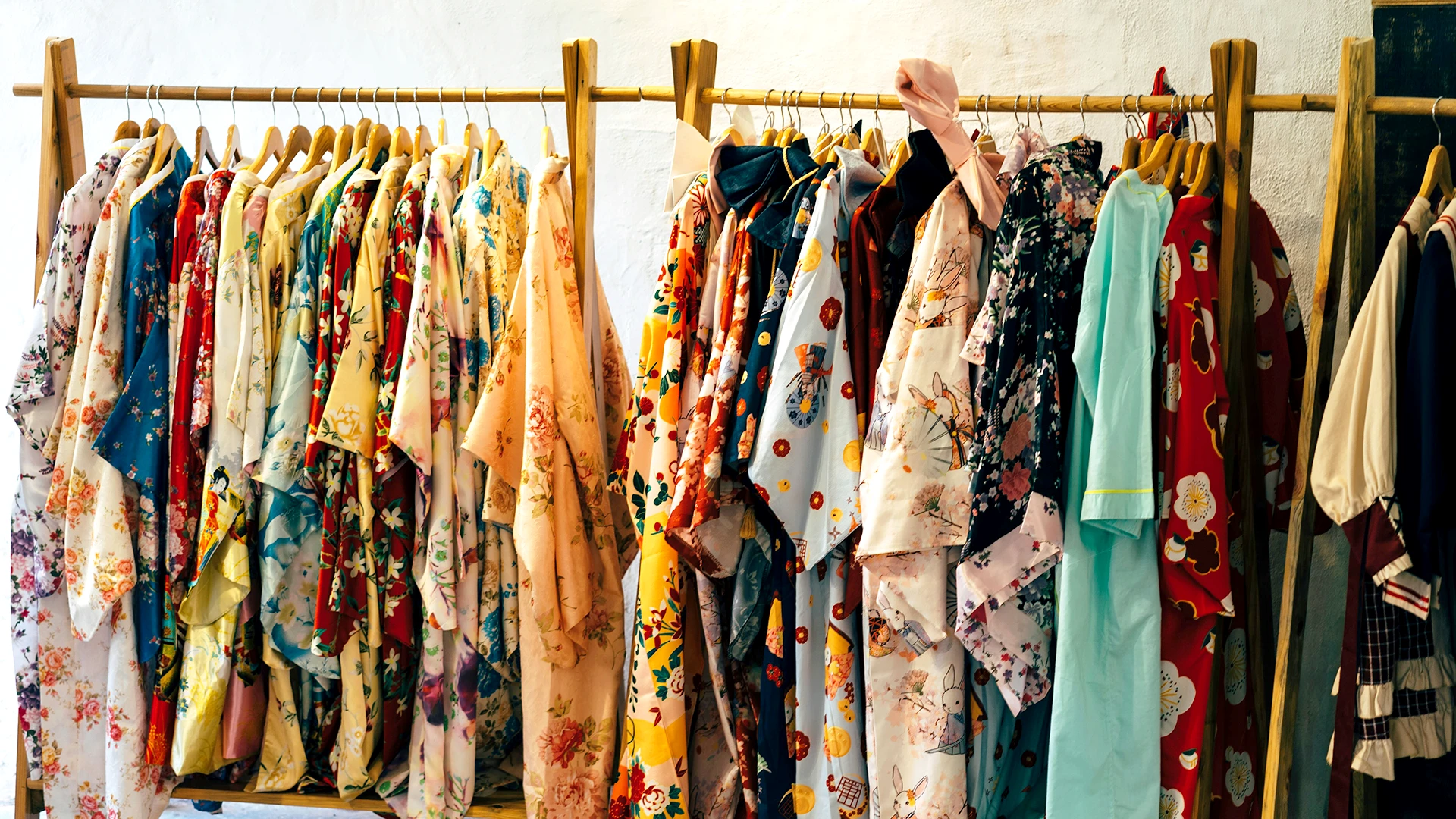
Building a plus size capsule wardrobe is less about owning “the basics” and more about choosing pieces that respect your proportions, move with your body and make getting dressed feel effortless. This guide focuses on fit, structure, fabric quality and styling decisions that create polish without discomfort.
Instead of telling you to buy the same five items everyone recommends, you’ll find a considered edit of refined pieces (plus-size friendly cuts and fabric cues) and practical outfit formulas you can use immediately.
What a Plus Size Capsule Wardrobe Should Do (That Typical Capsules Don’t)
A capsule wardrobe is a small, coordinated set of clothes you can mix into many outfits. For plus-size wardrobes, the capsule needs a few extra functional wins:
- Consistent fit across brands and fabrics (less “this size is fine” guesswork).
- Intentional proportions: enough length where you want it, and shaping where you need it.
- Structure without stiffness: garments that hold a line (collars, waistlines, hems) while still being comfortable.
- Layering that doesn’t add bulk: pieces designed to glide, not grab.
- Confidence in silhouettes: outfits that look considered, not “covered up.”
Think of this capsule as a toolkit: fewer pieces, higher performance.
Before You Buy Anything: Fit and Proportion Foundations
1) Take Three Measurements That Actually Matter
Knowing your size is less helpful than knowing your shape. Use a soft tape measure and note:
- Bust (fullest point, tape level across the back).
- Waist (natural waist or the narrowest point where you’re comfortable wearing waist definition).
- Hip (fullest point of the seat/hip).
Also note your torso length (where your waist hits) and inseam. These two explain why “cropped” can be perfect on one person and awkward on another.
2) Decide Your Two Go-To Silhouettes
Capsules work when you repeat shapes that flatter you. Choose two silhouettes you enjoy wearing (not just what you think you “should” wear). Examples:
- Defined waist + fluid leg (wrap/waist-defined top with wide-leg trouser).
- Column + structured topper (straight dress or tonal top/bottom with a blazer).
- Soft top + tailored bottom (fine knit or tee with a crisp trouser).
- Tailored top + relaxed bottom (button-down with a drapey skirt or jean).
Once you have two silhouettes, your purchases become clearer: every new item should support at least one.
3) Fabric Cues: What Makes a Piece Look Refined
Fabric is where “capsule” becomes “refined.” Look for:
- Weight and recovery: ponte, heavy jersey, stretch twill and suiting blends that bounce back.
- Drape with control: viscose blends, crepe, modal blends that skim rather than cling.
- Opacity: hold garments up to light; if you can see your hand clearly, it may be frustrating to wear.
- Surface texture: subtle ribbing, crepe texture, matte finishes often read more elevated than shiny knits.
Seams matter too: clean topstitching, strong shoulder seams and stable waistbands are quiet quality signals.
The Refined Plus Size Capsule Wardrobe (15–20 Pieces)
This capsule is designed for modern, polished daily style: work, weekends and dinners. Adjust the exact count to your lifestyle, but keep the categories.
1) The Elevated Tee (2–3)
A capsule needs tees, but not flimsy ones. Choose substantial cotton, cotton-modal, or rib with enough weight to hold shape.
- Necklines that lay flat (crew, soft V, square).
- Sleeves with intention: a longer short sleeve or a slightly structured cuff can look instantly smarter.
- Length that works untucked and half-tucked without riding up.
2) The Polished Knit Top (1–2)
Pick a fine-gauge knit that skims. A slightly wider neckline or a clean mock neck often looks sharp and balanced.
- Look for ribbed hems that don’t squeeze.
- Avoid clingy, thin knits unless you love a body-skimming fit.
3) The Button-Down That Actually Fits (1–2)
For bust-friendly ease, prioritize shirts with:
- Hidden plackets or well-spaced buttons (less gaping).
- Stretch content (a little elastane can be transformative).
- Seaming or darts that shape without pulling.
If traditional button-downs never work for you, a popover shirt or a structured blouse with a half-placket can give the same polish with fewer fit problems.
4) The Structured Blazer (1)
A great blazer is a shortcut to “refined.” The best plus-size blazers often share three traits: stable shoulders, a smooth lining and a lapel that lies flat.
- Choose single-breasted for easy layering and less bulk at the front.
- Consider a longer line if you like coverage, but keep the shoulder fit precise.
- Look for stretch suiting, ponte blazers or unlined options for comfort.
5) The Modern Jacket (1)
This is your casual topper: a structured denim jacket, a utility jacket with a defined waist channel, or a clean bomber in matte fabric.
- Ensure the hem hits at a flattering point for your proportions (waist, high hip or low hip).
- Check arm mobility: you should be able to hug yourself comfortably.
6) The Tailored Trouser (1–2)
For many plus-size bodies, trousers are the most important “fit item.” Prioritize a waistband that stays put and a fabric that smooths without feeling restrictive.
- Mid- to high-rise is often the most versatile for tucking and layering.
- Look for a flat front or minimal pleats if you want a cleaner line.
- Choose straight, wide-leg or subtle taper depending on your preferred silhouette.
7) The Dark, Non-Fussy Jean (1–2)
A refined jean capsule pick is dark wash, minimal distressing, and a hem you can wear with flats and boots.
- Seek denim with recovery (it should snap back after you stretch it).
- Consider a straight leg for maximum outfit versatility.
- If you love skinnies, keep one pair for boots and long tops, and add one straighter option for balance.
8) The Skirt With Movement (1)
A skirt adds variety without needing a whole new wardrobe. Strong capsule options include:
- Bias-cut midi in a matte satin or crepe.
- A-line midi in ponte or stretch twill.
- Soft pleated midi with a stable waistband.
Choose a waistband that lies flat and doesn’t roll. If you often experience waistband flipping, look for wider waistbands or interior elastic stabilization.
9) The Day-to-Dinner Dress (1–2)
A capsule dress should be easy and reliable. The most versatile shapes usually have:
- Defined waist placement (wrap, faux wrap, seamed waist, or a belt-friendly silhouette).
- Fabric with drape and structure (crepe, ponte, heavier jersey).
- Sleeves you can live in (elbow-length, flutter, or a well-cut short sleeve).
10) The Layering Base (2)
These are the pieces that make everything else work: a smooth tank and a long-sleeve base in a fabric that slides under jackets and knits.
- Choose seamless or flat seams if you dislike bulk.
- Look for a neckline that stays hidden under your most-worn tops.
11) The Intentional Knitwear (1–2)
Instead of a pile of random sweaters, choose one or two that do a job:
- A refined cardigan with a clean front (no fussy drape that adds volume).
- A structured pullover with a slightly dropped shoulder or set-in sleeve, depending on your preference.
For polish, opt for a smoother knit, minimal pilling and a hem that doesn’t cling to the widest point unless you like that look.
12) Shoes That Match Your Real Life (3)
- Everyday flat: loafer, sleek sneaker or ballet flat with support.
- Boot: ankle or knee-high depending on your climate; a stable heel or flat sole you can walk in.
- Dress shoe: block heel, refined mule or pointed flat.
Comfort is not optional in a capsule. If you’re constantly adjusting your shoes, you won’t wear the outfits.
13) Accessories That Create Structure (4–6)
- A belt (or two) that sits where you like to define your waist.
- Simple jewelry you can wear daily (small hoop, chain, watch).
- A bag with shape (tote or crossbody that holds its form).
- A scarf or neck accessory for color and softness near the face.
Fit Notes That Make These Pieces Work Harder
Where the Shoulder Seam Sits Changes Everything
In tops, jackets and blazers, shoulder fit is the difference between “tailored” and “slouchy.” The seam should sit close to the shoulder edge. If it falls far down the arm, the whole garment can look oversized and add width.
Choose Your Waist Placement (Then Be Consistent)
Waist definition is personal. Some people love a high waist; others prefer definition slightly above the belly button or at the smallest point. Pick the placement that feels good, then build around it:
- If you like a higher waist, choose high-rise trousers and tuck/half-tuck tops.
- If you prefer a lower definition, choose mid-rise and tops that hit high hip.
Hems and Lengths: The Capsule Shortcut
Rather than chasing trends, use a simple rule: your tops should hit at one of three intentional points—waist, high hip, or low hip. “In-between” lengths can feel fussy because they cut the body without purpose.
Color Strategy: A Capsule Palette That Feels Modern
A refined capsule is easier when your pieces naturally coordinate. Choose:
- 2 neutrals you love (for example: black + cream, navy + camel, charcoal + white).
- 1 accent color that lights up your complexion (for example: cobalt, emerald, raspberry, rust).
- 1 metal (gold or silver) to keep hardware and jewelry cohesive.
If you’re unsure, start with what you already reach for. The capsule should support your real preferences, not fight them.
Outfit Formulas (Easy, Repeatable, Not Boring)
Formula 1: Tee + Trouser + Blazer
Use a substantial tee (not sheer), tuck slightly at the front, and add a structured blazer. Finish with loafers or a sleek sneaker.
- Best for: polished casual workdays, meetings, dinners where you want to feel put-together.
- Fit tip: if the blazer pulls at the button, wear it open and rely on shoulder fit and lapels for structure.
Formula 2: Knit Top + Dark Jeans + Modern Jacket
Choose a smooth knit that skims and a dark, clean jean. Add a jacket with shape (denim, utility, bomber) and a structured bag.
- Best for: weekend errands, casual lunches, travel days.
- Fabric tip: dark jeans look sharper when the denim has strong recovery and minimal fading.
Formula 3: Button-Down + Skirt + Boots
Tuck the front of the shirt into a midi skirt (or do a full tuck if the waistband is smooth) and add boots. A belt can visually “lock in” the waist.
- Best for: office days, events, days when you want a feminine silhouette with structure.
- Proportion tip: if the skirt is voluminous, keep the top more fitted or tucked for balance.
Formula 4: Dress + Blazer (or Cardigan) + Intentional Shoe
Take your day-to-dinner dress and layer a blazer for clean lines or a structured cardigan for softness. A pointed flat or block heel instantly changes the energy.
- Best for: quick “I need an outfit now” moments.
- Fit tip: if the blazer feels tight in the arms, size for shoulder and arm comfort and tailor the waist if needed.
Formula 5: Tonal Column + Statement Accessory
Wear similar tones top and bottom (for example, black knit top + black trouser) and add one strong element: a belt, bold earring, scarf, or a sharply structured bag.
- Best for: days you want maximum ease with a refined result.
- Style tip: tonal doesn’t have to be identical—mix textures (ponte + crepe, denim + knit) to keep it interesting.
Shopping Smarter: How to Choose Pieces That Earn Their Place
Use a “Three-Outfit Test” in the Fitting Room
Before you buy, make sure the item works with at least three pieces you already own (or three pieces in your capsule plan). If you can’t name the outfits quickly, it’s likely a special-occasion purchase—not a capsule piece.
Prioritize Alterations That Make a Huge Difference
Tailoring can be the key to a truly refined plus size capsule wardrobe. High-impact, usually affordable alterations include:
- Hemming trousers and jeans to your ideal shoe height.
- Taking in a waist on trousers or skirts that fit everywhere else.
- Adjusting blazer sleeves for a clean wrist break.
Start with one “hero” tailored item (often trousers or a blazer). That single piece raises the level of everything you pair with it.
Know the Common Fit Dealbreakers (So You Stop Settling)
- Button gape at the bust: usually needs a different cut, more room, or a different closure style.
- Rolling waistbands: often a waistband construction issue; look for wider bands and stable fabric.
- Thigh/chafing discomfort: choose fabrics with smoother hand-feel and consider slip shorts for dresses and skirts.
- Pulling at the back thigh or seat: sizing up won’t always fix it; you may need a different rise or cut.
Seasonal Adjustments Without Rebuilding Your Wardrobe
Warm Weather
Keep the same shapes, but swap in breathable fabrics and fewer layers:
- Choose lightweight crepe trousers or wide-leg linen blends with structure.
- Wear the blazer as an indoor layer and use the modern jacket for evenings.
- Use a skirt or dress as your “one-and-done” base to reduce friction.
Cold Weather
Add warmth without adding bulk:
- Use a thin thermal base layer under knits and trousers.
- Opt for a coat with room in the upper arm and a stable shoulder.
- Choose boots with a shaft height that works with your hemlines (ankle boots with cropped/straight jeans, taller boots with skirts and dresses).
Care and Longevity: How to Keep a Capsule Looking New
Capsules rely on repeat wear, so care matters. Small habits protect fabric and fit:
- Air out knits and blazers between wears; spot clean when possible.
- Use a fabric shaver on knits to prevent “tired” looking pilling.
- Hang trousers by the waistband or fold with a crease to maintain shape.
- Wash cold, avoid over-drying, and reshape knits while damp.
Refined style isn’t about hiding your body. It’s about choosing pieces that fit your life and let you move through the day with ease.
FAQs: Plus Size Capsule Wardrobe
How many pieces should a plus size capsule wardrobe have?
Most people do well with 15–20 core pieces (not counting underwear, workout gear, or occasion wear). The right number is the smallest set that covers your weekly life without “laundry panic.” If you repeat outfits often, you may need fewer. If your life requires more dress codes, you may need closer to 25.
Do capsule wardrobes work if my size fluctuates?
Yes, with smart construction choices. Prioritize pieces with fabric recovery, comfortable waistbands, wrap shapes, and layering pieces that don’t require a precise button closure. Keep one “buffer” bottom (a trouser with a forgiving waistband or a skirt) for in-between days.
What’s the most important item to invest in first?
For most wardrobes, it’s either a well-fitting trouser or a structured blazer. Trousers affect how every top looks; a blazer elevates almost any base outfit. Choose the one you will wear at least once a week.
How do I stop my tops from riding up?
Look for longer lengths, side slits, and fabrics with weight. Riding up often happens when the hip area is too tight or the fabric is too light. A slightly roomier hem and a more substantial knit/jersey usually fix it.
Can I do a capsule wardrobe if I love prints?
Absolutely. Treat prints like neutrals by controlling the color palette. Choose one or two prints that include your main neutrals and accent color, then keep the rest of the capsule simple so the printed pieces have room to shine.
Build Your Capsule in a Calm, Practical Order
If you want a simple plan, build your plus size capsule wardrobe in three steps:
- Step 1: secure your best-fitting bottom (trouser or jean) and a base top (elevated tee or knit).
- Step 2: add structure (blazer or modern jacket) and one “one-and-done” piece (dress or skirt).
- Step 3: refine with a second bottom, a second topper, and accessories that make outfits look intentional.
When every piece earns its place through fit, fabric and repeatable styling, the capsule stops being a concept and becomes your easiest, most confident way to dress.