
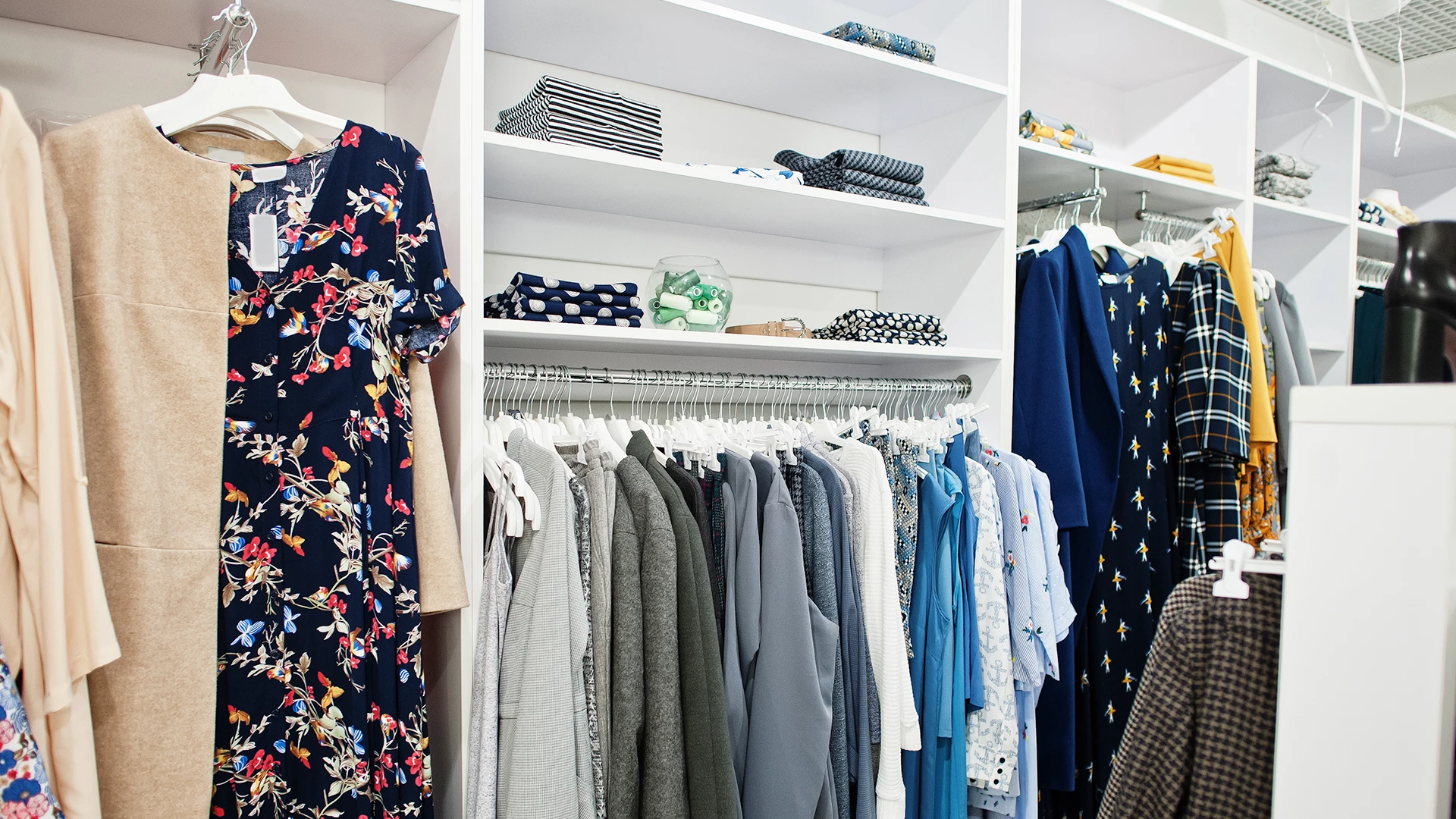
A timeless fashion style isn’t about freezing your wardrobe in a past decade—it’s about choosing pieces with enduring design, reliable quality, and versatile wearability so you look polished year after year. The goal is simple: fewer items, better choices, and outfits that feel effortless while still looking current.
This guide breaks down what truly makes clothing timeless—colour, silhouette, fabric, construction, and styling—so you can build a refined wardrobe with staying power (and avoid buying the same “almost right” pieces on repeat).
What “Timeless” Actually Means (and What It Doesn’t)
Timeless pieces share three traits: they’re easy to wear, hard to date, and designed to last. They work across settings, pair well with many items you already own, and don’t rely on a short-lived trend detail to look good.
Timeless does not mean:
- Boring (timeless can still be expressive through fit, texture, and personal touches).
- Expensive (quality matters, but you can find well-made staples at many price points).
- Trend-proof (nothing is immune to shifting tastes; the aim is low-obsolescence design).
- One-size-fits-all (a timeless wardrobe should suit your lifestyle, body, and climate).
Think of timelessness as a design filter: if a detail will look “stuck in time” in two years, it’s probably not your foundation piece.
The Five Pillars of a Timeless Fashion Style
1) Colour: Build a Core Palette That Mixes Easily
Colour is the fastest way to make a wardrobe feel cohesive. A timeless fashion style usually leans on a core palette of neutrals plus a few accent colours you truly love.
Start with 2–4 core neutrals that flatter your complexion and match your lifestyle (for example: navy, cream, charcoal, camel). Then add 1–3 accent colours (like forest green, burgundy, or soft blue) for personality.
To keep it timeless, prioritise:
- Muted or classic tones over overly saturated “moment” colours for your main pieces.
- Consistency (repeating the same few colours across categories makes styling effortless).
- Contrast control (choose whether you prefer high contrast, low contrast, or tonal dressing—and build around it).
If you want your wardrobe to look expensive, keep your core colours calm and let texture do the talking.
2) Silhouette: Choose Shapes That Respect Proportion
Silhouette is where “timeless” can easily go wrong. A garment can be a classic on a rack but not on your body if the proportions fight you. The most enduring silhouettes are balanced and adaptable rather than extreme.
Look for:
- Clean lines (minimal fuss, minimal bulk).
- Balanced volume (if something is wide on top, keep the bottom streamlined, and vice versa).
- Strategic structure (a shoulder seam that lands correctly, waist shaping where you need it, hems that flatter).
Timeless doesn’t mean tight. It means intentional. Many wardrobes today feel modern and refined with relaxed tailoring, straight-leg trousers, and slightly roomier shirts—as long as fit is correct through shoulders, waist, and length.
3) Fabric: Prioritise Materials That Age Well
Fabric quality is one of the biggest predictors of longevity. A timeless fashion style relies on materials that hold shape, resist pilling, and look better with wear.
Fabrics that tend to wear beautifully:
- Wool (coats, trousers, knitwear; temperature-regulating and resilient).
- Cotton (shirts, tees; choose higher-weight cotton for better drape and durability).
- Linen (warm weather; breathable and chic, wrinkles included).
- Silk (blouses, slips; choose quality weaves and care properly).
- Denim (mid-weight, minimal distressing for a cleaner, longer-lasting look).
- Leather (bags, belts, shoes; condition and maintain).
Not all synthetics are “bad,” but avoid flimsy, overly shiny, or static-prone fabrics for key wardrobe foundations. If you do buy blends, look for purpose-driven ones (like a small percentage of elastane for shape retention, or a wool blend for easier care).
4) Construction: The Hidden Details That Make Clothes Last
Construction is the difference between a garment that keeps its shape for years and one that twists, sags, or falls apart after a season.
When evaluating quality, check:
- Seams: even stitching, no puckering, neat finishing.
- Fabric density: hold it to the light; overly sheer fabric often wears out faster.
- Buttons and zips: secure, smooth, ideally with spare buttons included.
- Linings: coats, blazers, and skirts often look and last better with proper lining.
- Pattern matching: stripes and checks aligned at seams are a sign of careful manufacturing.
For tailoring pieces (blazers, coats, trousers), structure matters. A well-shaped shoulder and stable waistband will keep an item looking crisp even as trends shift.
5) Styling: Timeless Should Still Feel Current
The quickest way to modernise timeless staples is through styling: proportion, footwear, and a few intentional updates. You don’t need a closet full of trends—you need small, strategic tweaks that keep your look present-day.
Ways to keep timeless pieces current:
- Update proportions (for example, a classic trench with a straighter leg trouser; a crisp shirt with a relaxed jean).
- Refresh shoes (sleek loafers, minimal sneakers, refined boots; avoid overly dated toe shapes).
- Use accessories with restraint (one focal piece: a belt, a scarf, a watch, or earrings—not all at once).
- Lean into texture (wool + denim, silk + knit, linen + leather for depth).
How to Build a Timeless Wardrobe (Step by Step)
Step 1: Define Your Real Life (Not Your Fantasy Life)
A timeless wardrobe only works if it matches your weekly routine. Before buying anything new, list your top 3 lifestyle categories (for example: office, casual, events) and estimate how often you need outfits for each.
Then identify your “repeat outfit formula”—the combination you naturally reach for (such as jeans + knit + coat, or trousers + tee + blazer). Your timeless fashion style should support these formulas first.
Step 2: Choose Your Non-Negotiable Fit Standards
Fit is the silent dealbreaker. Decide what fit standards you won’t compromise on (shoulder fit in jackets, rise in trousers, dress length, sleeve length). If you often struggle with one area, budget for alterations—hemming and waist shaping can turn a good item into a forever piece.
Step 3: Start With Foundations, Then Add Personality
Foundations are the pieces that carry your wardrobe and create dozens of outfits. Personality pieces add interest but should still integrate with your palette and silhouettes.
Examples of strong foundations (choose what suits your style):
- Outerwear: trench, wool coat, or a structured jacket.
- Tailoring: blazer, straight or wide-leg trousers (not overly extreme).
- Tops: well-cut tee, crisp shirt, fine knit.
- Bottoms: dark denim, tailored trouser, skirt you can dress up or down.
- Dresses: a simple silhouette you can layer (shirt dress, slip dress, wrap-inspired cut).
- Shoes: loafers, ankle boots, minimal sneakers, a refined heel if needed.
- Bags & belts: clean hardware, sturdy straps, neutral tones.
Once your foundations are solid, add personality with accents: a great scarf, a signature colour, a textured knit, or a distinctive but simple piece of jewellery.
Step 4: Build Outfit “Sets” Instead of Collecting Items
To keep purchases timeless and useful, aim to create at least 3 full outfits per new item. If you can’t style it three ways with what you already own, it may be a trend impulse rather than a wardrobe builder.
Try these timeless outfit frameworks:
- Monochrome: tonal dressing in navy, cream, or charcoal for instant polish.
- Smart casual: tee + tailored trouser + structured jacket.
- Relaxed refined: knit + straight-leg jean + wool coat.
- Easy elevated: slip dress + cardigan + boots.
Step 5: Shop Slowly and Replace Strategically
Timeless wardrobes are built through editing, not rushing. Replace worn-out basics with better versions and upgrade the pieces you wear most. A good rule: invest first in the items that touch your body and get the most use (shoes, coats, denim, knitwear).
A Practical Shopping Checklist for Timeless Pieces
Use this quick checklist before you buy:
- Does it fit your core palette?
- Can you style it at least three ways?
- Is the silhouette balanced and not overly trend-specific?
- Does the fabric feel substantial and comfortable?
- Are the seams, buttons, and hems well-finished?
- Will it still work if trends change next year?
- Do you have the right underlayers? (bra, slip, camisole, tights).
Care and Maintenance: The Unsexy Secret to Staying Power
Even the best timeless fashion style will fall flat if garments look tired. Basic care keeps fabrics, colour, and structure intact.
- Wash less, air more: many items last longer with fewer washes.
- Use proper storage: hang structured jackets and coats; fold knitwear to avoid stretching.
- Handle pilling early: a fabric shaver can restore knits quickly.
- Protect shoes: rotate pairs, use shoe trees for leather, resole when needed.
- Press and steam: small effort, big visual payoff.
Common Mistakes That Make “Timeless” Look Dated
- Ignoring fit: outdated is often just ill-fitting.
- Going too literal with classics: head-to-toe “heritage” can feel costume-like—mix in modern lines.
- Choosing cheap-looking fabrics: shine, thinness, and pilling read fast-fashion quickly.
- Over-accessorising: too many statement pieces can date a look faster than a simple base.
- Buying duplicates without upgrading: replace your most-worn items with better versions rather than collecting more of the same.
FAQs About Timeless Fashion Style
How do I know if something is timeless or just trending?
Ask whether the item’s appeal relies on a very specific detail (an extreme cut, novelty hardware, a viral print). If removing that detail would make the piece ordinary and wearable for years, it’s more likely timeless. If the detail is the whole point, it’s probably trend-led.
Can a timeless wardrobe include colour and prints?
Yes. Keep your foundations in a stable palette and use colour or prints as accents. Classic patterns like stripes, checks, and subtle florals tend to feel more enduring than highly specific novelty prints.
Is a capsule wardrobe the same as a timeless wardrobe?
Not exactly. A capsule wardrobe is about a limited number of items; a timeless wardrobe is about longevity and versatility. Many timeless wardrobes are capsule-like, but you can have a larger wardrobe and still keep it timeless if the pieces are cohesive and well-made.
How many pieces do I need for a timeless fashion style?
There’s no perfect number. Start by ensuring you have reliable outfits for your weekly life, plus a small rotation for events and weather changes. Focus on outfit coverage, not item count.
What’s the best first investment piece?
For most people, it’s either a great coat or great shoes—because they’re worn frequently, they anchor outfits, and quality is easy to see. After that, look at a blazer or trousers that fit impeccably.
Final Thoughts: Make Timeless Personal
A timeless fashion style is less about chasing “perfect basics” and more about building a wardrobe that reflects you—through thoughtful colour choices, flattering silhouettes, high-performing fabrics, and strong construction. Keep the foundation classic, keep the fit precise, and keep styling just modern enough that it feels like you now.
If you’re rebuilding, start small: choose one category to upgrade (like outerwear or footwear), commit to your palette, and build outfits in sets. Timeless happens through consistency.


