
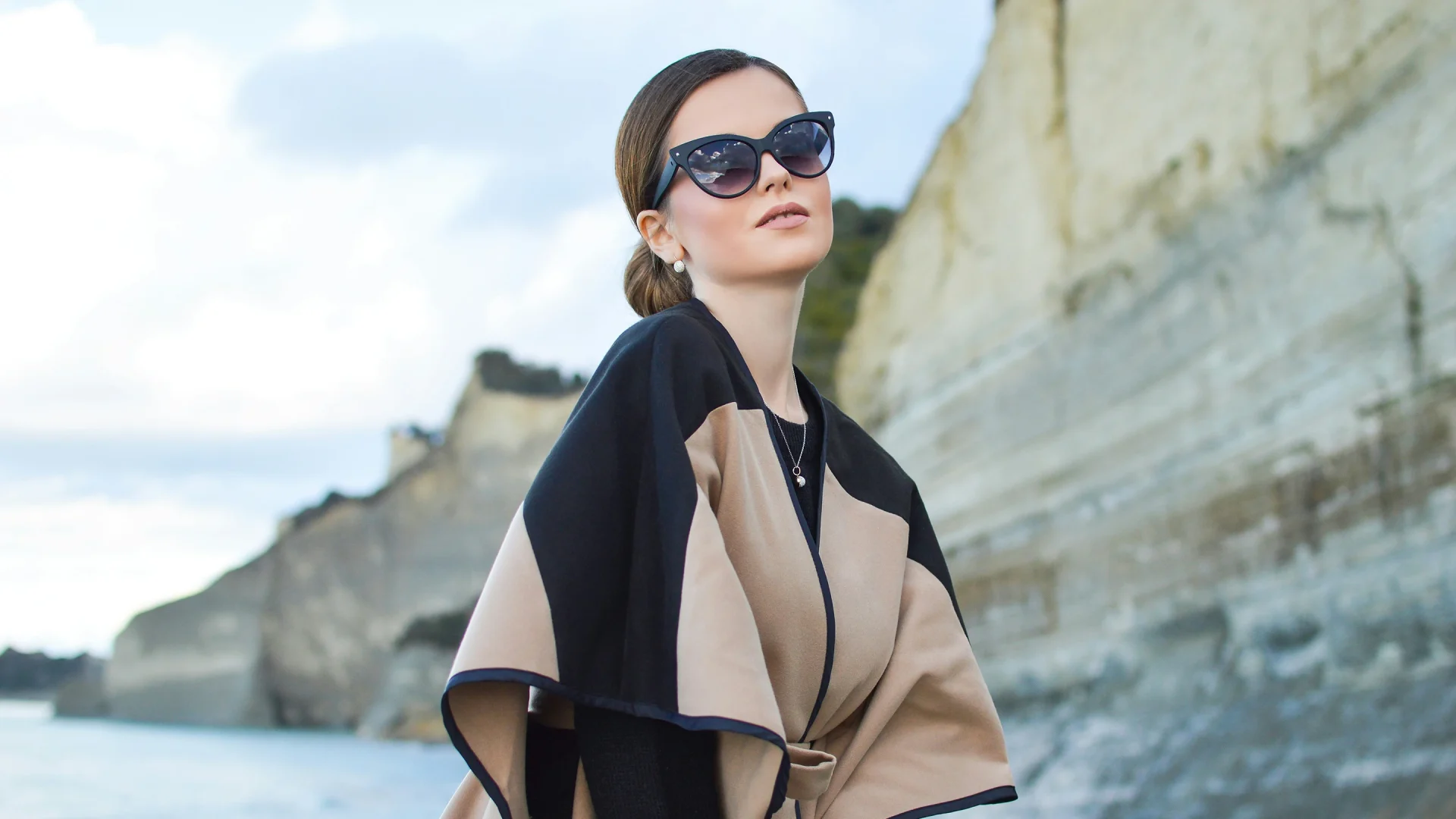
“Chic” is one of the most-used style compliments—and one of the most misunderstood. A chic fashion style isn’t about chasing trends or dressing up for every occasion. It’s a practical approach to looking put-together: clean lines, smart proportions, thoughtful details, and grooming that supports the outfit rather than competing with it.
This guide breaks chic dressing down into clear, wearable principles. You’ll learn what “chic” actually means, how to build outfits that feel simple but elevated, and how to tell the difference between polished and overdone.
What Chic Fashion Style Really Means
At its core, chic style is intentional simplicity. The pieces can be basic, but the overall effect looks elevated because the outfit is balanced, well-fitted, and finished with care.
Chic isn’t a specific aesthetic (like preppy, boho, or streetwear). It’s more like a standard of refinement that can sit on top of many aesthetics. You can be chic in a blazer and jeans, a slip dress, tailored trousers, or a minimalist knit set—if the look feels cohesive and not trying too hard.
Chic vs. Trendy vs. “Dressy”
These get confused often, so here’s a useful way to separate them:
- Chic = clean, balanced, edited, and intentional.
- Trendy = driven by what’s new; can be chic, but doesn’t have to be.
- Dressy = more formal or embellished; can look chic, but can also look busy.
If you want chic to feel effortless, aim for “edited” over “extra.”
The 5 Pillars of a Chic Fashion Style
1) Simplicity (But Not Bland)
Simplicity is the foundation of chic: fewer competing elements, clearer lines, and outfits that don’t need constant adjusting. Simplicity doesn’t mean boring—it means your outfit has a main idea and sticks to it.
Try building outfits with a “one statement” rule:
- Statement coat + simple base (tee, straight-leg jeans, sleek boots)
- Great trousers + quiet top (fine knit, fitted tee, crisp button-down)
- Strong shoe + neutral outfit (loafers or a pointed flat with minimal layers)
2) Balance (Proportion Is Everything)
Chic outfits usually look “right” before they look expensive. That comes from proportion. A simple way to create balance is to pair volume with structure.
- Wide-leg pants + fitted top
- Oversized blazer + slim base (tank + straight jeans or a midi skirt)
- Midi skirt + streamlined knit
- Relaxed shirt + tailored trousers
If your outfit feels off, adjust proportions before buying anything new: try a half-tuck, swap to a more fitted top, or change the shoe to shift the silhouette.
3) Quality Signals (Fit, Fabric, and Finish)
Chic style leans on pieces that look refined up close: smooth fabric, clean seams, and a fit that doesn’t pull, gape, or bunch. You don’t need luxury labels, but you do need attention to the details that read as “well-made.”
Focus on these quick upgrades:
- Fit: tailor hems, adjust waistbands, and choose lengths that flatter your frame.
- Fabric: opt for heavier knits, crisp cotton, linen blends, structured denim, and smooth woven fabrics.
- Finish: intact buttons, steamed collars, polished shoes, and a bag that holds its shape.
4) Accessories That Complete (Not Compete)
Accessories are often the difference between “nice outfit” and chic. The key is restraint: fewer pieces, better placement, and consistent metals and textures.
Use accessories as punctuation—not a paragraph.
- Choose one focal point: earrings, a watch, a belt, or a bag.
- Repeat a material: gold hardware, black leather, tortoiseshell, or silver details.
- Keep shapes clean: hoops, studs, slim chains, structured totes, sleek sunglasses.
A chic outfit usually looks like it was finished on purpose, not decorated at the last minute.
5) Grooming (The Quiet Backbone of Chic)
Grooming is where “effortless” actually happens. You can wear the simplest outfit, but if hair, skin, nails, or shoes look neglected, the overall effect won’t read chic.
Think of grooming as consistency, not perfection:
- Hair: clean, controlled, and styled in a way that suits your daily life (sleek bun, soft waves, tidy ponytail).
- Skin: hydrated and fresh; even a minimal routine can look polished.
- Nails: neat and trimmed; nude, sheer, or classic shades keep the look refined.
- Shoes: wiped down, scuffs minimized, soles in good shape.
How to Make Chic Dressing Feel Effortless (Practical Steps)
Start With a Simple “Chic Formula”
When you don’t know what to wear, formulas make chic style repeatable. Use these as go-to outfits you can rotate with small changes.
- Blazer + fitted tee + straight jeans + loafers
- Button-down shirt + tailored trousers + minimal sneakers
- Fine knit + midi skirt + ankle boots
- Neutral dress + structured bag + simple jewelry
- Trench coat + knit set + sleek flats
Once you have a few reliable formulas, “effortless” becomes real—because you’re not reinventing your look every morning.
Edit Your Outfit to One Clear Story
Chic style looks calm because it’s edited. If you’re wearing a bold print, keep everything else simple. If your outfit already has strong tailoring, avoid adding loud accessories that pull attention away from the silhouette.
A quick editing checklist:
- Remove one item (often: scarf, extra necklace, or the loudest accessory).
- Unify the color palette (two to three main tones is a good target).
- Choose either a statement lip or statement earrings—rarely both.
Choose a Cohesive Color Palette
Many chic wardrobes lean neutral because neutrals mix easily and look refined. But chic isn’t limited to beige, black, and white. The goal is cohesion, not restriction.
Try one of these simple palette approaches:
- Monochrome (different shades of the same color)
- Neutral base + one accent (camel + black + burgundy, navy + cream + red)
- Soft contrast (cream + taupe, charcoal + grey, navy + denim)
Elevate Basics With Structure
Basics become chic when they have shape. Instead of collecting more items, focus on a few pieces that instantly lift the simplest outfit.
- Structured blazer or a sharp cardigan-jacket
- Tailored trousers (even if you mostly wear jeans)
- A coat that holds its form (trench, wool coat, longline coat)
- Pointed-toe flats or sleek loafers
- A structured bag in a versatile neutral
Polished vs. Overdone: The Chic Line You Don’t Want to Cross
Chic and “overdone” can look similar at first glance—both involve effort. The difference is the overall visual noise. Polished looks intentional and calm. Overdone looks like every element is fighting for attention.
Signs You Look Polished
- Your outfit has a clear focal point.
- Hair, makeup, and accessories support the clothes.
- Nothing feels fussy, tight, or constantly needing adjustment.
- You can remove one item and the outfit still works.
Signs You Look Overdone
- Multiple statement pieces at once (bold earrings + statement necklace + patterned bag).
- Too many contrasting styles (sporty shoes, ultra-glam makeup, and formal dress together).
- Heavy embellishment everywhere (sparkle, ruffles, logos, and loud prints in one look).
- Hair and makeup feel “separate” from the outfit.
If you’re unsure, simplify one category: take accessories down a notch, soften makeup, or choose a cleaner shoe.
Chic Wardrobe Essentials (Think “Core Pieces,” Not a Strict Capsule)
A chic fashion style is easier when your closet has reliable building blocks. You don’t need dozens—just pieces that mix well and fit your life.
Core Tops
- Crisp button-down (white, light blue, or stripe)
- Fitted tee or tank in a solid neutral
- Fine knit sweater (crew or V-neck)
- Silky or drapey blouse for instant polish
Core Bottoms
- Straight-leg or slim-straight denim in a clean wash
- Tailored trousers (black, navy, or camel)
- Midi skirt (satin, knit, or structured cotton)
Outerwear That Sets the Tone
- Blazer (structured shoulders, clean lapel)
- Trench coat
- Wool coat or longline coat
Shoes That Make Basics Look Intentional
- Loafers
- Minimal white or neutral sneakers
- Pointed flats
- Ankle boots with a sleek toe
Chic Style in Real Life: Outfit Ideas That Don’t Feel Fussy
Casual Chic
Casual can still look chic when the fit is clean and the details are sharp.
- Relaxed jeans + fitted knit + trench + loafers
- Matching knit set + structured bag + simple hoops
- White tee + tailored trousers + minimal sneakers + belt
Work Chic
Workwear chic is about structure and subtle sophistication.
- Blazer + silk blouse + trousers + pointed flats
- Midi dress + belt + low heel + clean tote
- Button-down + straight trousers + sleek watch
Evening Chic (Without Going Over the Top)
Evening chic looks refined, not loud.
- Black slip dress + blazer + minimal jewelry
- Wide-leg trousers + satin camisole + heeled sandal
- Monochrome knit dress + structured clutch
Common Mistakes That Make Chic Harder Than It Needs to Be
- Buying “almost right” pieces: chic relies on fit. If it’s close but not quite, it won’t get worn.
- Over-accessorizing: if every item is a statement, nothing is.
- Ignoring shoe condition: worn shoes can undo an otherwise polished look.
- Forgetting fabric behavior: very thin, clingy, or wrinkly fabrics can read messy quickly.
- Trying to look chic instead of getting dressed: outfits work best when they reflect your lifestyle.
FAQs About Chic Fashion Style
Can you have a chic fashion style on a budget?
Yes. Chic is more about fit, cohesion, and finishing touches than price. Prioritize tailoring (even simple hems), choose sturdy fabrics, keep shoes clean, and build a small set of versatile core pieces you can repeat.
Do chic outfits have to be neutral?
No. Neutrals are common because they’re easy to mix, but chic can include color. The key is a controlled palette—think one accent color or a tonal look instead of many competing shades.
What’s the easiest way to look chic every day?
Use a repeatable outfit formula and finish it well. For example: blazer + tee + straight jeans + loafers, plus neat hair and one simple accessory. Consistency is what makes it feel effortless.
How do I look chic without looking overdressed?
Keep the silhouette streamlined and the details minimal. Choose one elevated element (a blazer, a structured bag, or polished shoes) and keep everything else simple and comfortable.
Is chic the same as minimalist style?
They overlap, but they’re not identical. Minimalist style is a specific aesthetic focused on pared-back design. Chic is an outcome: you can dress chic in minimal, classic, romantic, or modern outfits as long as the look is balanced and refined.
Bringing It All Together
A chic fashion style is less about having “the right items” and more about creating a calm, cohesive look: clean lines, balanced proportions, thoughtful accessories, and grooming that supports the outfit. When you rely on a few outfit formulas and edit down to one clear story, chic stops feeling like a performance and starts feeling like your default.
If you want a simple next step, choose one chic upgrade to focus on this week—tailor a hem, polish your everyday shoes, or streamline your accessories—and let that small change elevate everything you already own.


