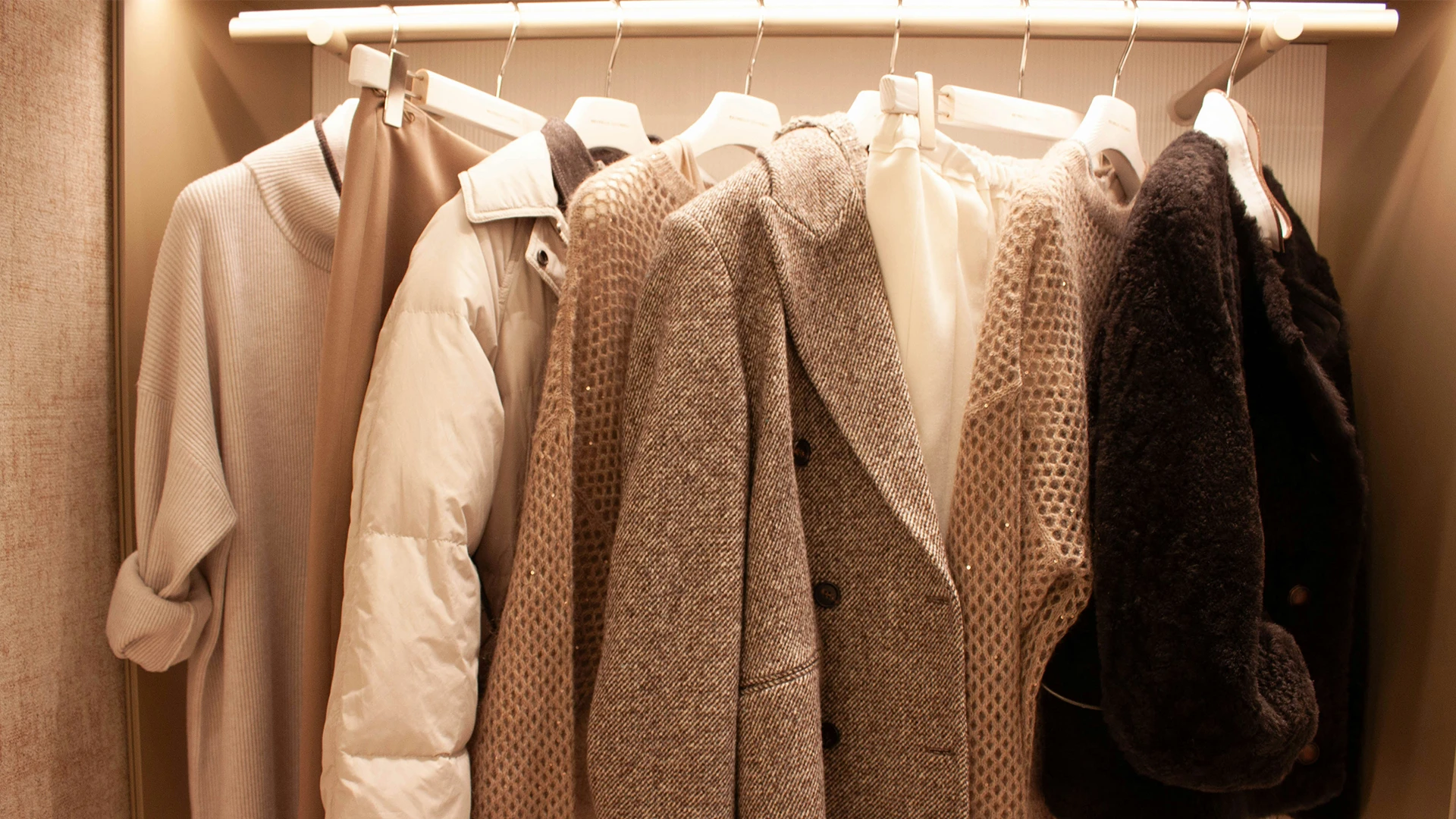
A winter capsule wardrobe is less about owning fewer clothes and more about owning the right ones—warm, versatile, and made well enough to last. When temperatures drop, cost-per-wear matters: a thoughtfully chosen coat, boots, and knitwear rotation can carry you through years of commutes, weekends, travel, and holiday plans.
This guide focuses on cold-weather essentials worth investing in—outerwear, knitwear, boots, scarves, and layering pieces—plus practical buying notes on wool, cashmere, leather, and how to care for them so they stay beautiful.
What Makes a Winter Capsule Wardrobe Different?
Compared to a warm-weather capsule, winter dressing is a system: insulation + wind protection + moisture management. The most successful winter capsule wardrobes share three traits:
- Layer-friendly silhouettes (room in the shoulders, sleeves, and torso without looking bulky).
- Materials that perform (wool, down, technical synthetics, leather, quality knits).
- Color cohesion so everything mixes easily (for example: black, charcoal, camel, navy, cream; add one accent color like burgundy or forest green).
How to Build Your Winter Capsule: The Core Categories
Start with the pieces you wear weekly, then add one “upgrade” item per season. A practical winter capsule wardrobe often lands around 18–28 pieces (not counting loungewear and workout gear), anchored by the categories below.
1) Outerwear: Your Most Important Investment
If you upgrade just one category, make it outerwear. A great coat improves every outfit and determines whether you’re comfortable outside.
The Long Wool Coat (Everyday Polish)
A tailored wool coat instantly elevates denim, trousers, and knit dresses. Choose a length that covers your hips (mid-thigh to calf) for real warmth.
- Fabric: Look for a high wool percentage (often 70%+). A small amount of nylon can improve durability.
- Construction: Check for lining, secure buttons, and clean seams. A belt or double-breasted front helps with wind.
- Fit note: Try it on over your thickest sweater—if the shoulders feel tight, size up.
The Insulated Puffer or Parka (Real Cold, Real Wind)
For freezing days, a puffer or parka adds warmth with minimal effort. Decide whether you need a lightweight layer for errands or a true winter coat for long outdoor time.
- Down vs. synthetic: Down offers excellent warmth-to-weight; synthetic insulation performs better when wet.
- Features worth paying for: two-way zipper, insulated hood, storm cuffs, high collar, and a water-resistant shell.
- Length: Mid-thigh or longer is noticeably warmer, especially when standing still.
The Leather Jacket (Layering Workhorse)
A leather jacket is ideal for transitional winter days, indoor-outdoor plans, and layering under a wool coat for extra wind protection.
- Leather type: Full-grain or top-grain leather generally ages best.
- Finish: A slightly pebbled texture hides scratches better than ultra-smooth leather.
- Fit note: You should be able to zip it over a thin knit; for heavy knits, layer it under a coat instead.
Capsule rule of thumb: one “polished” coat (wool) + one “practical” coat (puffer/parka) covers most winters. Add leather if you love it and will wear it often.
2) Knitwear: The Warmth Layer You’ll Wear on Repeat
Knitwear does the daily heavy lifting in a winter capsule wardrobe. Aim for a small rotation—enough to avoid over-washing while still feeling fresh.
The Everyday Wool Sweater
A mid-weight wool sweater works for the office, weekends, and travel. Crewneck styles are the easiest to layer.
- Wool choices: Merino is soft and versatile; Shetland and lambswool are warmer but can feel itchier.
- Gauge: Medium gauge offers warmth without bulk; chunky knits are cozy but harder to fit under coats.
- Colors: Choose 1–2 neutrals you can wear with everything (charcoal, cream, navy, camel).
The Cashmere Sweater (For Softness and Easy Elevation)
Cashmere feels luxurious, but it’s not automatically “better” than wool. It’s best as a soft, breathable layer for indoor/outdoor days rather than harsh weather.
- What to look for: a dense knit (not sheer), consistent texture, and minimal shedding.
- Budget tip: one great cashmere piece beats multiple delicate ones that pill quickly.
The Turtleneck (The Built-In Scarf)
A fine-knit turtleneck is a capsule MVP: it layers under blazers, wool coats, and dresses while keeping your neck warm without extra accessories.
- Best fabrics: merino, wool-silk blends, or quality cotton for sensitive skin.
- Fit note: close to the body for easy layering; avoid excessive bulk at the neck.
3) Layering Basics: Base Layers, Shirts, and Mid-Layers
The most comfortable winter outfits start with the layers closest to your skin.
Thermal Base Layers (Top and Leggings)
Base layers extend the range of everything you own, especially if you walk or commute outdoors.
- Merino base layers: warm, breathable, and odor-resistant—ideal for travel and repeated wear.
- Synthetic base layers: durable and often more affordable; great for very active days.
- Fit note: should feel snug, not restrictive—loose thermals trap less warmth.
The Button-Up or Crisp Shirt (Optional, But Powerful)
If you like a polished look, a shirt under knitwear creates structure and variety without adding many pieces to your winter capsule wardrobe.
- Fabric: cotton poplin for crispness; brushed cotton for extra warmth.
- Styling: under a crewneck sweater, half-tucked with trousers, or layered beneath a cardigan.
The Cardigan or Knit Blazer (Indoor Warmth)
Homes and offices can be cold in winter. A cardigan keeps you warm without needing to wear a coat indoors.
- Best cuts: slightly tailored through the shoulders, with enough length to cover your waistband.
- Buttons matter: sturdy buttons and reinforced plackets help cardigans last.
4) Bottoms: Warm, Durable Foundations
When your legs are comfortable, your whole outfit feels warmer. Keep bottoms simple and layerable.
Wool Trousers or Thick Ponte Pants
Wool trousers look refined and insulate well, while ponte offers structure with comfort.
- Wool trousers: look for a smooth weave and a lining if you’re sensitive to itch.
- Ponte: choose a dense knit that doesn’t bag at the knees.
Dark Denim (The Capsule Staple)
A dark, sturdy denim pair anchors casual outfits and pairs easily with boots and coats.
- Fit note: ensure boots can slide under or over the hem depending on your preferred silhouette.
- Warmth tip: add thermal leggings underneath on very cold days.
5) Boots: The Non-Negotiable Winter Shoe Category
Winter boots are where comfort, traction, and weather-resistance matter most. A small, well-chosen boot lineup beats a closet full of impractical pairs.
The Everyday Leather Ankle Boot
A classic ankle boot works with jeans, trousers, skirts, and dresses. It’s the most versatile boot in a winter capsule wardrobe.
- Leather: full-grain or top-grain tends to last longer and looks better with age.
- Sole: look for grip (rubber or lug soles) if you deal with wet sidewalks.
- Heel height: a low block heel is stable; flat soles are best for long walks.
The Weatherproof Boot (Snow and Slush)
If you face snow, ice, or heavy rain, a dedicated weatherproof boot saves your feet and your nicer shoes.
- Key features: sealed seams, waterproof membrane or treated leather, traction outsole, and room for thick socks.
- Insulation: choose based on your climate and activity level; too much insulation can feel sweaty indoors.
Care Notes for Leather Boots
- Water protection: apply a leather protector or wax-based product before the season starts.
- Rotate pairs: letting boots rest and dry between wears helps prevent odor and cracking.
- Use shoe trees: they help maintain shape and reduce creasing.
6) Scarves, Hats, and Gloves: Small Pieces, Big Impact
Accessories are the easiest way to increase warmth without changing your whole outfit.
The Wool or Cashmere Scarf
A generous scarf adds insulation and can make a simple coat look intentional.
- Wool scarf: durable and warm, great for daily wear.
- Cashmere scarf: softer and lighter; best for comfort and indoor/outdoor use.
- Size tip: a longer scarf offers more styling options and better wind protection.
A Warm Beanie and Touchscreen Gloves
Keeping your head and hands warm changes how cold you feel overall.
- Beanie: wool or wool blends hold warmth; fleece-lined options are great for wind.
- Gloves: lined leather gloves look polished; knit gloves are great for casual wear.
7) A Simple Winter Color Palette (So Everything Mixes)
A cohesive palette makes a winter capsule wardrobe feel bigger than it is. If you’re starting from scratch, pick:
- 2–3 neutrals: black, charcoal, navy, camel, cream, or chocolate.
- 1 accent: burgundy, forest green, cobalt, or rust.
- Metal tone: mostly gold or mostly silver hardware for a more unified look (zippers, belt buckles, jewelry).
Material Guide: Wool, Cashmere, and Leather (What to Buy and Why)
Wool: The Capsule MVP
Wool insulates even when slightly damp and naturally resists odor. It’s ideal for coats, sweaters, scarves, and trousers.
- Check the blend: higher wool content usually means better warmth; a small synthetic percentage can add strength.
- Pilling is normal: especially in high-friction areas; remove pills gently to extend life.
Cashmere: Softness, Not Indestructibility
Cashmere shines in pieces that touch your skin—sweaters and scarves—when you want warmth without weight.
- Choose density: a tighter, heavier knit typically lasts longer than a very light one.
- Rotate wears: resting cashmere between wears reduces stress on fibers.
Leather: A Long-Term Investment (With Maintenance)
Leather can last for years when conditioned and protected from repeated soaking. It’s ideal for jackets, boots, and belts.
- Condition occasionally: conditioning prevents drying and cracking.
- Avoid heat-drying: never place wet leather near direct heat; air dry and recondition.
Care and Storage: How to Make Your Winter Capsule Last
How to Care for Wool and Cashmere
- Wash less: air out knits after wearing; spot-clean when possible.
- Hand wash or gentle cycle: use a wool-safe detergent and cool water; avoid wringing.
- Dry flat: reshape and lay flat to prevent stretching.
- Depill: use a fabric comb or sweater shaver lightly.
How to Store Winter Pieces
- Fold heavy knits: hanging can stretch shoulders.
- Use sturdy hangers for coats: wide shoulders help maintain shape.
- Moth prevention: store clean items, use cedar or garment bags, and vacuum closets periodically.
Winter Capsule Outfit Formulas (Easy Combinations)
Use these repeatable formulas to get dressed quickly while keeping your looks varied.
- Wool coat + turtleneck + dark denim + ankle boots
- Puffer + merino base layer + wool trousers + weatherproof boots
- Leather jacket + cardigan + straight-leg jeans + scarf
- Long coat + fine-knit sweater + ponte pants + loafers or ankle boots
- Wool coat + knit dress + tall boots + gloves
Shopping Checklist: Build Your Winter Capsule Wardrobe in Priorities
If you’re investing gradually, work in this order (most impact first):
- 1. Outerwear: wool coat and/or puffer/parka suited to your climate
- 2. Boots: one everyday pair + one weatherproof pair (if needed)
- 3. Knitwear rotation: 2–4 sweaters including at least one merino/wool staple
- 4. Base layers: especially if you commute or spend time outdoors
- 5. Accessories: scarf, hat, gloves (warmth boosters)
- 6. Bottoms: wool trousers/ponte + dark denim
FAQs
How many pieces should be in a winter capsule wardrobe?
There’s no single number, but many people find 18–28 cold-weather pieces (excluding loungewear and athletic wear) is enough for daily life. The key is having at least one serious warm coat, reliable boots, and a small knitwear rotation.
Is cashmere worth it for a winter capsule?
Yes if you value softness and wear it often. Choose one dense, well-made cashmere sweater or scarf, rotate wears, and care for it gently. If you need maximum durability or spend lots of time outside, wool may be the better primary investment.
What’s the best material for a winter coat?
For a polished everyday coat, a high-wool blend is a classic choice. For extreme cold or wet conditions, down (or quality synthetic insulation) with a wind- and water-resistant shell is typically more practical. Many capsules include both.
How do I stop wool sweaters from pilling?
Pilling is normal, especially where fabric rubs (under arms, sides, where bag straps sit). Reduce friction when possible, rotate wears, and remove pills with a fabric comb or sweater shaver rather than pulling them off.
Do I need both ankle boots and snow boots?
If your winter is mostly dry, an everyday leather ankle boot may be enough. If you regularly deal with snow, slush, or ice, a dedicated weatherproof boot protects your feet, improves traction, and preserves your nicer leather boots.
Final Thoughts: Invest Once, Wear for Years
A winter capsule wardrobe works best when every piece earns its place: warm enough to be practical, versatile enough to outfit-repeat happily, and well-made enough to justify the investment. Start with outerwear and boots, build your knitwear rotation, and lean on base layers and accessories for adaptable warmth all season long.