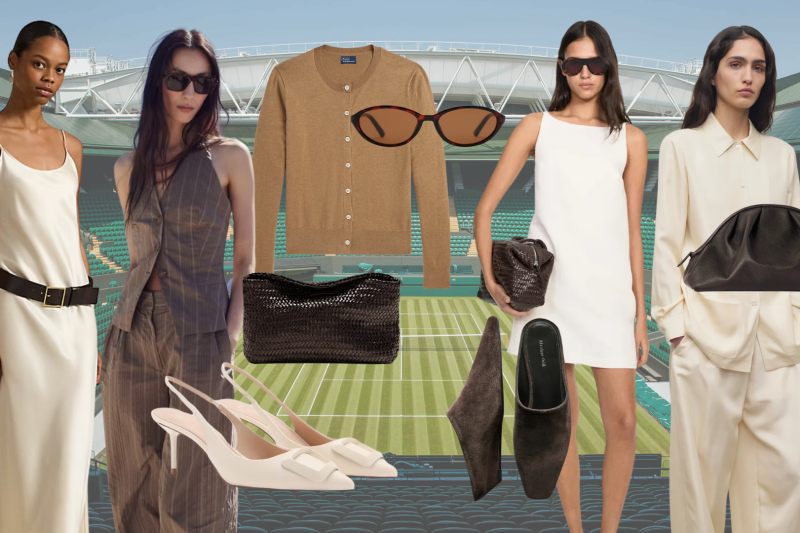
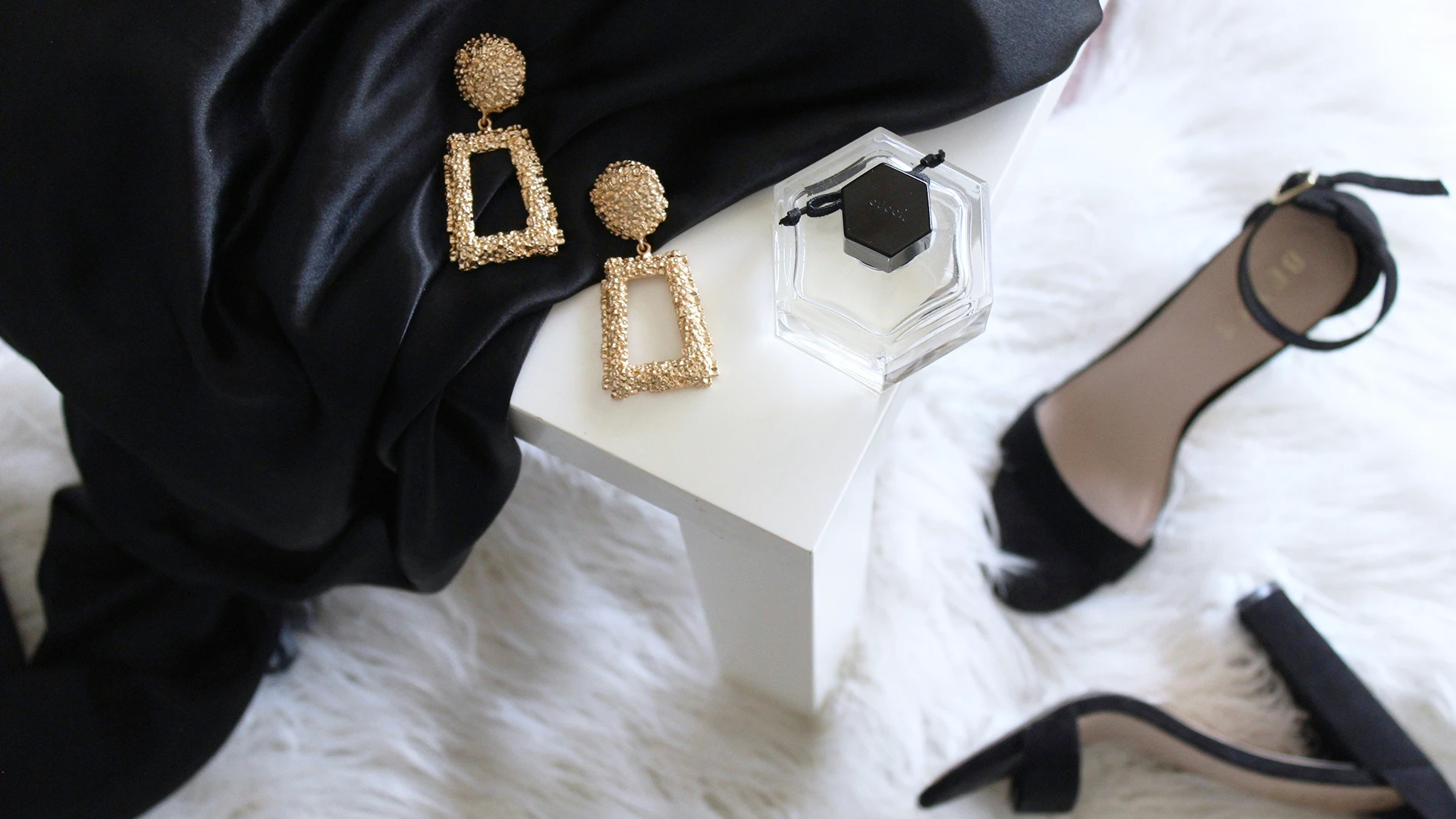
Quiet luxury style is less about looking expensive and more about looking considered. It’s the kind of dressing where the cut does the talking, the fabric carries the weight, and nothing feels forced. You won’t find loud logos, obvious “it” pieces, or outfits built for virality. Instead, the focus is on restraint, quality, proportion, and a sense of ease that reads as confident rather than showy.
Done well, quiet luxury isn’t a trend—it’s a wardrobe approach. It prioritises pieces that last, outfits that travel across seasons, and a silhouette that feels polished without appearing “styled.” Below is an editorial-level breakdown of what the aesthetic really means, why it endures, and how to wear it well in real life.
What quiet luxury style actually means
Quiet luxury style is the visual language of quality: subtle design, impeccable materials, and a deliberate lack of noise. It borrows from tailoring, minimalism, and classic dressing, but the key difference is intention—every detail is present because it improves function, comfort, or proportion, not because it signals status.
At its best, it looks simple. But that simplicity is created through better construction, better textiles, and better fit.
The core principles: restraint, quality, proportion
- Restraint: fewer focal points, fewer competing details, minimal hardware, minimal contrast.
- Quality: natural fibres, strong seams, thoughtful finishing, fabrics that drape well and wear beautifully.
- Proportion: clean lines, balanced volume, and silhouette choices that look intentional rather than accidental.
Quiet luxury is not the absence of style—it’s the presence of discernment.
Why quiet luxury has staying power beyond trend language
Trends often rely on novelty: new colours, new shapes, new “rules.” Quiet luxury relies on fundamentals. It’s built around timeless elements—tailoring, neutrals, refined basics—so it doesn’t collapse when the cultural conversation moves on.
It also aligns with the way many people want to shop now: buying fewer items, wearing them more, and choosing things that feel good to live in. When an outfit is grounded in fit and fabric rather than a label, it’s easier to repeat and easier to adapt.
It photographs well, but it’s made to be worn
A quiet luxury outfit tends to read as “expensive” on camera because it’s uncluttered and well-proportioned. But its real advantage is off-camera: it’s comfortable, practical, and easy to rewear without feeling like you’re repeating a “look.”
It creates a personal uniform without becoming boring
The aesthetic supports a wardrobe that feels cohesive. You can build a repeatable set of silhouettes—straight-leg trousers, a longline coat, a fine knit, a simple dress—then refine the details (fabric weight, neckline, shoe shape) to keep it interesting.
The quiet luxury colour palette (and how to make it feel fresh)
Quiet luxury colour is typically restrained: neutrals, soft tonal combinations, and low-contrast pairings. This doesn’t mean you can’t wear colour—it means colour should look integrated rather than attention-seeking.
Reliable quiet luxury colours
- Ivory, cream, stone, oatmeal
- Black, charcoal, deep navy
- Warm camel, chocolate, espresso
- Soft grey, taupe, greige
- Muted tones: olive, burgundy, slate blue
How to wear neutrals without looking flat
- Use texture: mix wool with silk, denim with cashmere, cotton poplin with suede.
- Build tonal outfits: vary shades within the same family (e.g., cream knit + ecru trousers + tan belt).
- Let one element carry the look: a strong coat, a beautiful shoe, or a clean bag shape.
Quiet luxury fabrics: what to look for (and why it matters)
Fabric is the backbone of quiet luxury style. When branding is minimal, the textile has to do the work: it must drape elegantly, hold shape, and look good up close.
Fabrics that elevate an outfit instantly
- Wool and wool blends: for tailoring, coats, and structured trousers.
- Cashmere and merino: for fine knits that layer smoothly without bulk.
- Silk and silk blends: for blouses, skirts, slip dresses, and soft shine that isn’t flashy.
- Quality cotton: crisp poplin shirts, dense jersey tees, substantial denim.
- Linen (better when heavier): relaxed suits and summer separates with a refined texture.
- Leather and suede: in minimal shapes with clean finishing.
Quiet signs of quality when you shop
- Seams lie flat; stitching is even with no loose threads.
- Buttons feel weighty; buttonholes are neat.
- Knits look tight and smooth rather than fuzzy or thin.
- The garment holds its silhouette without pulling at stress points.
- Linings (in coats/blazers) are smooth and well-attached.
Proportion and silhouette: the difference between simple and “quiet luxury”
Two outfits can use the same neutral palette and still feel completely different. Quiet luxury style is defined by proportion: where the hem hits, how the shoulder sits, the relationship between volume and line.
The silhouettes that consistently read as refined
- Tailored outerwear: longline coats, structured trenches, minimal blazers.
- Straight or softly wide-leg trousers: with a clean waistband and an intentional break at the shoe.
- Relaxed-but-clean shirts: crisp collars, structured cuffs, purposeful drape.
- Minimal knitwear: fine gauge, sleek necklines, subtle ribbing.
- Simple dresses: column, slip, or wrap styles in elevated fabric.
A practical proportion rule that works almost every time
If one half of your outfit is relaxed, keep the other half clean and structured. For example: wide-leg trousers + fitted knit; oversized blazer + straight jeans; long skirt + compact tee.
How to wear quiet luxury style: practical outfit formulas
You don’t need a new identity or an all-neutral closet. The easiest way to get the look is to build repeatable outfits with one strong piece and a few supporting basics. These formulas work because they prioritise clean lines, good fabrics, and balanced proportions.
1) The elevated basics uniform
- Structured wool coat or trench
- Crisp white or pale blue shirt (or a dense jersey tee)
- Straight-leg trousers or dark denim
- Leather loafers or minimal sneakers
- A simple belt and a clean tote
2) The tonal knit set (without looking like loungewear)
- Fine merino crewneck or polo knit
- Matching or near-matching trousers/skirt in a structured knit or tailored fabric
- Pointed flats, loafers, or a sleek boot
- One piece of subtle jewellery (small hoops, a thin chain, or a watch)
3) The modern tailored look
- Minimal blazer with a clean shoulder line
- Silk camisole or refined knit tank
- High-rise trousers with a straight or wide leg
- Low-heel pump, sandal, or leather mule
4) The quiet luxury weekend outfit
- Quality denim (dark wash or true indigo)
- Cashmere cardigan or heavy cotton sweatshirt with no bold graphics
- Minimal sneakers or suede loafers
- Cap or sunglasses in a classic shape
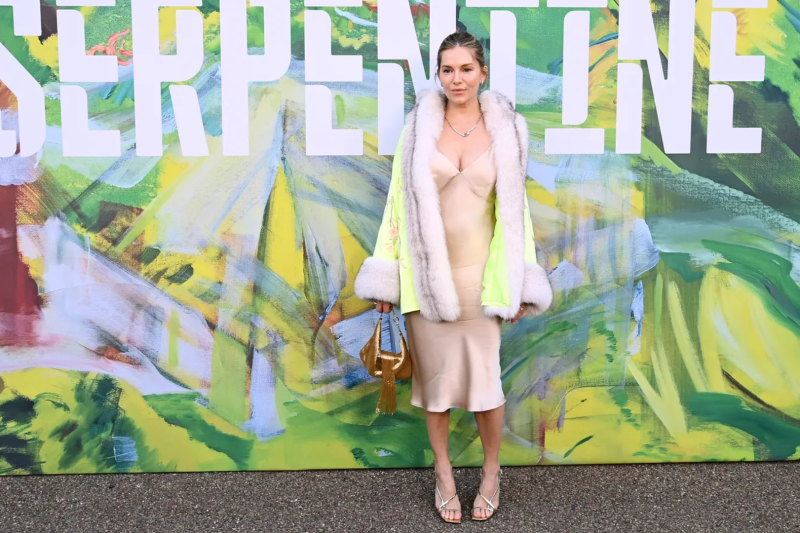
5) The understated evening option
- Black or chocolate slip dress (silk or a substantial satin)
- Tailored coat draped over shoulders
- Minimal strappy sandal or sleek boot
- Small bag with clean hardware
Accessories in quiet luxury style: less, better, intentional
Accessories should support the outfit’s line rather than interrupt it. Instead of a collection of “statement” pieces, quiet luxury style relies on a few items with strong shape, good material, and subtle details.
Choose accessories that look good up close
- Bags: clean silhouettes, minimal logos, leather that feels substantial; structured totes, top-handle bags, simple shoulder bags.
- Shoes: loafers, ballet flats, sleek boots, minimal sneakers; avoid overly trendy soles and heavy branding.
- Jewellery: a small rotation of refined pieces—thin gold/silver hoops, a chain, a signet ring, a watch.
- Belts: simple buckle, leather that matches your shoe tone for a cohesive look.
Hardware matters
Quiet luxury doesn’t mean “no hardware,” but it does mean hardware should be quiet: smooth finishes, classic shapes, and nothing overly large or decorative.
What to avoid: common mistakes that ruin the quiet luxury effect
Because the look is subtle, small missteps can make an outfit feel “trying to be expensive” rather than naturally refined. Avoid these pitfalls and the aesthetic becomes much easier to pull off.
- Over-logoing: loud branding breaks the quiet premise instantly.
- Too many “status” signals at once: designer belt + monogram bag + flashy jewellery can read as performative.
- Overly trendy micro-details: novelty cut-outs, extreme silhouettes, or hyper-seasonal colours date the look.
- Poor fit: pulling at the chest, gaping waistbands, dragging hems—fit is non-negotiable here.
- Thin, shiny, or overly synthetic fabrics: they often reflect light in a way that reads cheap, even in neutral colours.
- Too many contrasting tones: quiet luxury usually looks best with a controlled palette.
How to build a quiet luxury wardrobe (without starting from scratch)
You don’t need to replace everything. Quiet luxury style is often the result of editing: upgrading the pieces you wear most, tailoring what you already own, and choosing a consistent palette that makes getting dressed easier.
Start with these 10 wardrobe anchors
- A structured coat (wool or trench)
- A minimal blazer
- A crisp button-down shirt
- A fine knit (merino or cashmere)
- A high-quality tee (dense cotton)
- Tailored trousers
- Dark, clean denim
- A simple dress (black, navy, or chocolate)
- Loafers or sleek boots
- A leather bag with clean lines
Upgrade strategy: spend where it shows
If you’re prioritising, put your budget into coats, shoes, and bags first—these are the items that take wear, sit at the edge of the outfit, and influence the overall impression. Then upgrade knits and trousers. Basic tees and simple shirts can still be affordable if the fabric and fit are right.
Tailoring is the quiet luxury shortcut
Hemming trousers to the correct length, adjusting a blazer sleeve, or taking in a waist can transform a “fine” item into a polished one. Quiet luxury style is, in many ways, the look of clothes that were meant for you.
Quiet luxury style across seasons
Spring
Lean into light layers: a trench, cotton poplin, and polished flats. Keep colour soft (stone, navy, cream) and focus on crispness.
Summer
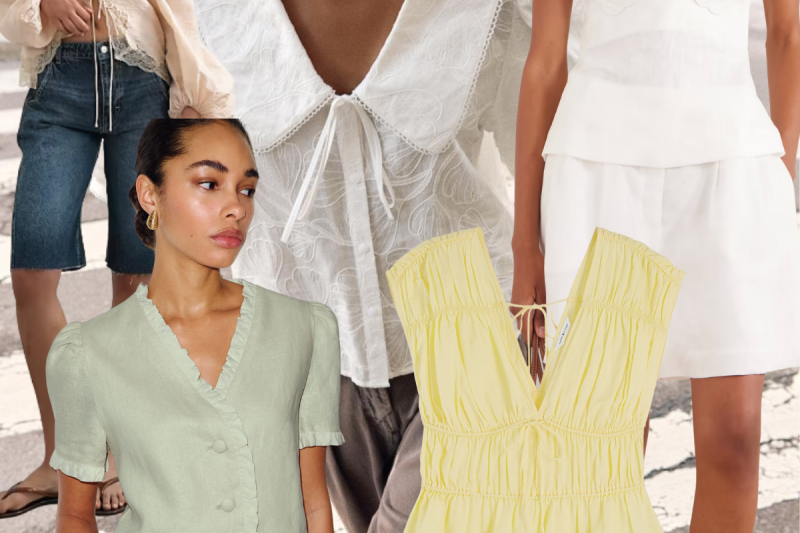
Choose breathable structure: heavier linen, cotton, and silk. A sleeveless knit, linen trousers, and leather sandals look effortless when the fabric has weight and the fit is clean.
Autumn
Add texture and depth: camel coats, suede shoes, chocolate knits, and darker denim. Keep accessories minimal and let materials provide interest.
Winter
Prioritise outerwear and knitwear: long wool coats, cashmere layers, sleek boots. A tonal winter palette (charcoal, black, espresso, cream) looks sharp and cohesive.
FAQs about quiet luxury style
Is quiet luxury style the same as minimalism?
They overlap, but they’re not identical. Minimalism focuses on simplicity and reduction; quiet luxury style focuses on quality and refinement. A quiet luxury outfit can be minimal, but it’s the fabric, fit, and finishing that make it feel elevated.
Do you need designer brands to dress quiet luxury?
No. The aesthetic is more about materials, construction, and proportion than labels. If you invest in a great coat, tailor your trousers, and choose clean accessories, you can achieve quiet luxury style at many price points.
What are the best shoes for quiet luxury style?
Loafers, sleek ankle boots, minimal sneakers, and simple pumps are the most versatile. Look for refined shapes, good leather, and minimal branding.
Can quiet luxury style include colour or prints?
Yes—just keep it controlled. Muted colours (olive, burgundy, slate) and classic prints (pinstripe, subtle checks) can work well when the overall outfit remains low-contrast and well-balanced.
How can you make quiet luxury look modern, not corporate?
Mix tailoring with relaxed pieces: a blazer over a knit tank, wide-leg trousers with a clean tee, or a trench with dark denim and minimal sneakers. Modern quiet luxury is about ease, not stiffness.
Final thoughts: the point is not to look rich
Quiet luxury style endures because it’s rooted in fundamentals: restraint, quality, and proportion. When you focus on those pillars—rather than on trend language—you end up with outfits that feel calm, confident, and repeatable. The goal isn’t to signal wealth. It’s to look like you know what you’re doing.