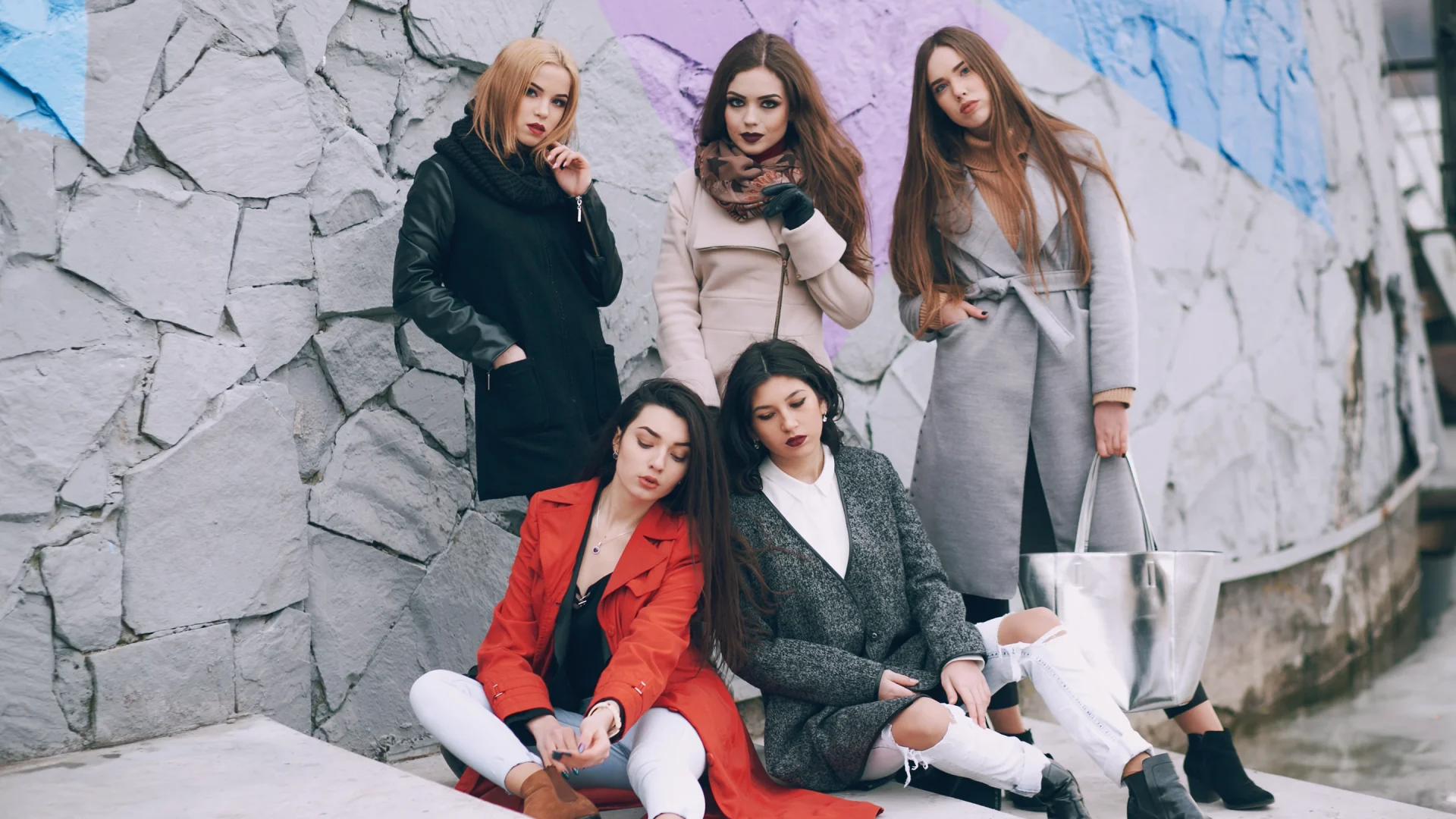
Fashion week street style is often photographed at maximum volume: statement coats, micro-bags, sculptural shoes, and head-to-toe trend pieces designed to read on camera from across a crosswalk. The reality is that most of us need outfits that work for commutes, meetings, weather swings, and repeat wear. The good news: beneath the spectacle are genuinely useful styling cues—proportions, layering tricks, accessory choices, and colour pairings—that translate beautifully into real wardrobes.
This is a practical edit of what consistently proves wearable, plus how to use these ideas with restraint so you look current without feeling costumed.
What “Translates” from Fashion Week Street Style (and What Doesn’t)
Street style is a mix of personal style, brand dressing, and performance. To make it wearable, separate the styling concept from the statement object.
The wearable core: concepts over costumes
- Proportion: where hemlines hit, how volume is balanced, and what gets elongated.
- Layering: smart combinations that add warmth, dimension, and practicality.
- Accessory direction: one focal point, not five competing “it” items.
- Colour strategy: controlled palettes that look intentional and easy to repeat.
- Texture: mixing matte and shine, smooth and nubby, crisp and soft.
The less wearable: what looks great in photos but rarely in daily life
- Ultra-delicate shoes that can’t handle real sidewalks.
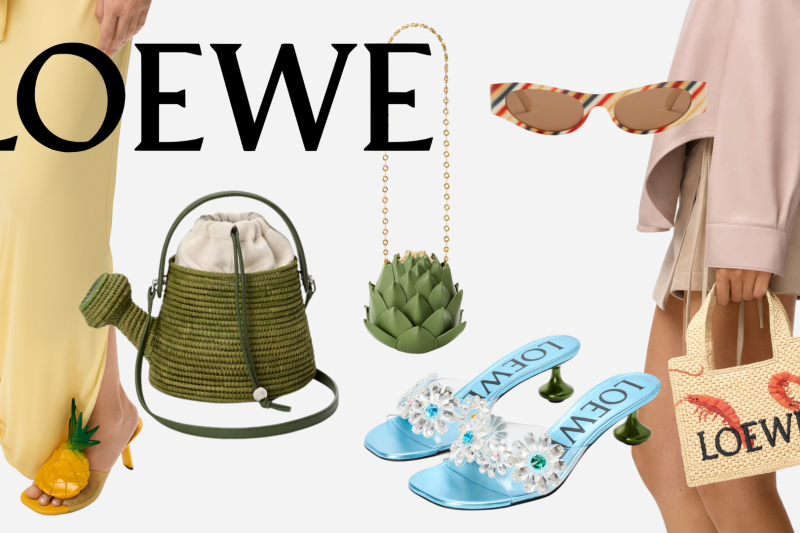
- Impractical bags (too tiny, too heavy, or too structured for everyday movement).
- Extreme silhouettes that limit sitting, layering, or comfort.
- Multiple logo pieces at once (it can overwhelm the outfit’s shape and you).
If you can describe the outfit in one sentence, it’s usually wearable. If it takes a paragraph, it’s probably performance.
Emerging Proportions That Actually Work
Across cities, the most wearable outfits rely on familiar basics—denim, tailoring, knits, trench coats—but updated through proportion. These shifts are subtle, and that’s why they stick.
1) The long line + grounded shoe
Long coats, longer blazers, and midi-to-maxi hems remain the easiest way to look polished. The wearable update is pairing them with a grounded, walkable shoe rather than a delicate heel.
- Try: midi skirt + crew knit + long coat + loafers or sleek sneakers.
- Try: straight jeans + long blazer + T-shirt + minimal ankle boots.
2) Volume on top, clean on bottom
Think relaxed outerwear, slightly oversized knits, or a roomy shirt—balanced with a straighter leg or a tailored bottom. This reads modern without feeling oversized head-to-toe.
- Try: boxy knit + straight-leg jeans + belt + simple earrings.
- Try: oversized shirt worn open + fitted tank + tailored trousers.
3) The intentional half-tuck (and when to skip it)
Street style continues to use a half-tuck to define the waist while keeping the overall mood relaxed. It’s most flattering when the fabric has some structure and the waistband sits well.
Skip it if the top is bulky (it adds strange volume). Instead, try a neat French tuck with a thinner knit, or wear the top fully out and rely on proportion—short jacket, longer hemline, or a defined shoulder.
Layering Cues That Feel Fresh, Not Fussy
The best street style layering isn’t about piling on; it’s about choosing layers that add a clear function: warmth, shape, or contrast.
1) Knit + tailoring: the modern uniform
A fine knit under a blazer or structured coat is an evergreen combination, but the new feel comes from slightly relaxed tailoring and cleaner lines.
- Try: merino crewneck + relaxed blazer + straight trousers + loafers.
- Try: turtleneck + trench + dark denim + ankle boots.
2) Shirt-as-jacket (the “shacket” without the bulk)
Instead of heavy overshirts, look for a crisp cotton or lightweight wool shirt that can be worn open over a tee or tank. It’s an easy spring-to-fall layer that adds structure without weight.
- Pair with: wide-leg trousers and a slim base layer.
- Pair with: denim and a clean white sneaker for an off-duty look.
3) The scarf upgrade: simple, graphic, functional
Scarves keep showing up in fashion week street style because they photograph well—yet they’re genuinely useful. The wearable approach is choosing one scarf that adds colour or pattern without dominating.
- Choose: a solid scarf in a standout colour (burgundy, olive, cobalt).
- Or: a restrained print (small checks, subtle stripes, classic paisley).
- Style: looped once and tucked into outerwear for a clean line.
Accessories: The One-Statement Rule
The most expensive-looking outfits on the street often follow an unspoken rule: one accessory leads, the rest support. This is the quickest way to translate fashion week styling into real life.
Pick your “lead” accessory
- Bag as lead: keep jewellery minimal, shoes simple.
- Shoe as lead: keep bag neutral and outfit lines clean.
- Jewellery as lead: lean into one strong element (a cuff, hoops, or a chain), not a full stack.
- Outerwear as lead: everything underneath becomes quiet and tonal.
What’s worth copying right now
- Structured totes that fit a laptop (practical and polished).
- Belts used to define shape over blazers, coats, and dresses (choose a simple buckle).
- Sunglasses with clean lines (they finish an outfit fast).
- Pointed-toe flats and loafers (an easy “sharpening” tool for basics).
Colour Combinations with Restraint
Colour is where street style can look most intimidating, but the wearable wins tend to use controlled palettes. Two or three colours, repeated, often with a neutral base.
1) Neutrals + one deep accent
Start with black, navy, grey, cream, or camel, then add one rich tone. It reads elevated and is easy to repeat across outfits.
- Cream + camel + burgundy (bag or shoe).
- Navy + grey + forest green (scarf or knit).
- Black + chocolate + gold (jewellery and belt hardware).
2) Tonal dressing (one colour family, multiple shades)
Monochrome doesn’t need to be matchy; it just needs to be within the same family. Tonal dressing is one of the most wearable fashion week street style cues because it simplifies outfit decisions.
- All-grey: charcoal trousers + mid-grey knit + light-grey coat.
- All-cream: ecru denim + ivory tee + oatmeal knit.
- All-navy: dark denim + navy blazer + ink coat.
3) Unexpected but practical: muted brights
If you want colour without loudness, pick a bright shade that’s slightly muted (think dusty cobalt, faded red, softened lime). Use it once, near the face (scarf, knit) or on a practical piece (bag).
Wearable Fabrics and Textures That Look “Fashion” Without Trying
Street style’s most successful outfits often rely on texture contrast more than trend pieces. This also makes outfits feel richer, even if they’re built from basics.
- Denim + wool: jeans with a tailored wool coat.
- Leather (or coated) + knit: a sleek skirt or trouser with a soft sweater.
- Cotton poplin + denim: crisp shirt with relaxed jeans.
- Matte + shine: a satin skirt with a chunky knit.
Outfit Formulas You Can Repeat (Real Wardrobe Edition)
If you want fashion week street style energy without the chaos, use repeatable formulas. Consider these “templates” you can rotate all season.
Formula 1: Relaxed tailoring + simple base
Blazer (relaxed) + T-shirt or fine knit + straight trousers or jeans + loafers. Add one lead accessory (bag or earrings).
Formula 2: Midi skirt + knit + practical outerwear
Midi skirt (satin, pleated, or knit) + crewneck sweater + trench or long coat + boots or sneakers. Keep the palette tonal for an effortless look.
Formula 3: Wide-leg trouser + fitted top + strong shoe
Wide-leg trouser + fitted tank/tee + cropped jacket or cardigan + pointed flat or sleek sneaker. This is the cleanest way to wear volume without feeling swamped.
Formula 4: Denim-on-denim, refined
Two denim pieces (similar depth) + a sharp shoe + structured bag. Keep the rest minimal; it’s the uniform effect that looks modern.
How to “Shop Your Closet” Using Street Style Logic
Before buying anything new, recreate the principles with what you already own. This is where street style becomes useful rather than aspirational.
A quick closet audit checklist
- One great topper: trench, long coat, leather jacket, or blazer that instantly finishes outfits.
- Two strong bottoms: straight jeans and a tailored trouser cover most needs.
- Three base layers: tee, tank, fine knit (in neutrals you actually wear).
- Two shoes you can walk in: loafers/boots and a clean sneaker or flat.
- One lead accessory: bag, belt, or scarf that adds intention.
Then apply one street-style tweak at a time: slightly longer blazer, belt over outerwear, tonal colour, or a new proportion (volume balanced with clean lines).
Common Styling Mistakes (and the Easy Fixes)
1) Too many focal points
If you’re wearing a statement coat, statement shoe, statement bag, and statement jewellery, the outfit competes with itself. Pick one lead item and simplify the rest.
2) Overdoing trends at once
Trends translate best as accents. Try one trend with two basics. For example: a trending colour scarf with a classic coat and denim.
3) Ignoring comfort and movement
Street style is photographed standing. Real life involves walking, sitting, carrying, and weather. If you can’t do those things comfortably, the outfit won’t become a repeat.
FAQs: Fashion Week Street Style, Made Wearable
What is fashion week street style?
Fashion week street style refers to outfits worn outside runway shows by editors, buyers, influencers, and attendees. It’s photographed heavily and often reflects a mix of personal style, brand partnerships, and trend experimentation.
How do I wear fashion week street style trends in everyday life?
Copy the concept, not the exact outfit. Focus on proportion (long coat, relaxed tailoring), a controlled colour palette, and one lead accessory. Build the rest from basics you already wear.
Which street style trends are the most wearable right now?
The most wearable cues tend to be relaxed tailoring, tonal dressing, practical loafers and flats, refined denim, and smart layering (knits with trench coats or blazers).
How do I keep street style-inspired outfits from looking like a costume?
Use the one-statement rule, limit yourself to two or three colours, and prioritize comfort. If an item feels like it only works for photos, treat it as inspiration and recreate the idea with a more practical version.
Final Take: Make It Repeatable
The real value of fashion week street style isn’t the shock factor—it’s the reminder that small styling decisions change everything. Update your proportions, refine your colour palette, choose one strong accessory, and build around pieces you can wear on repeat. That’s how street style becomes a wardrobe, not a moment.