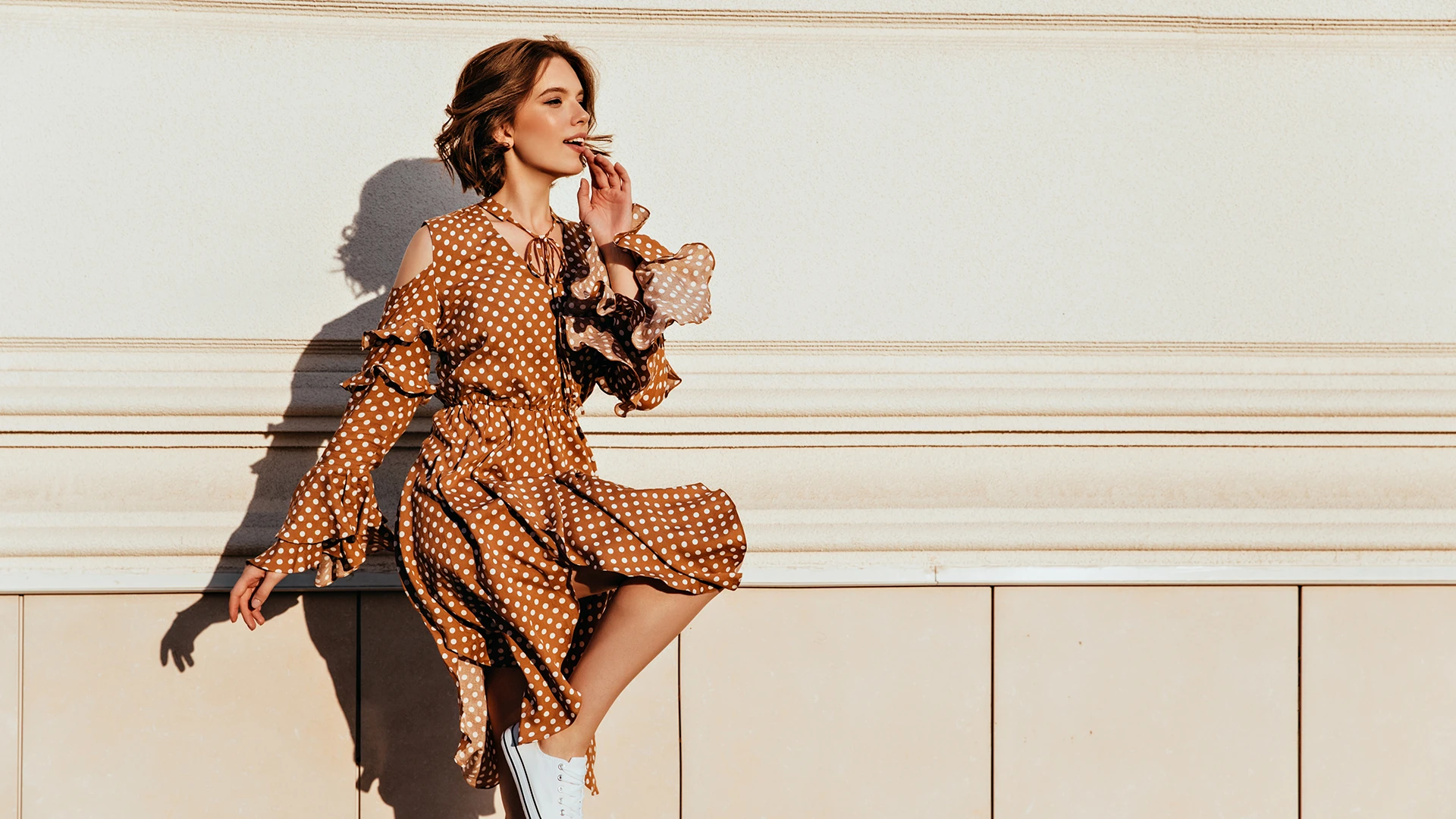
The old money fashion style has been repackaged online as a neat “aesthetic,” but its best version isn’t a costume, a logo-free shopping list, or a cosplay of inherited wealth. At its core, it’s a set of wardrobe principles: strong fit, conservative proportions, high-quality materials, and understated accessories that look lived-in (not brand-new and performative).
This guide breaks down what the look actually is, what it isn’t, and how to build it with modern, realistic choices—especially through tailoring, knitwear, shoes, and bags—without turning your outfit into a character.
What “Old Money” Style Actually Means (and Why It’s Complicated)
Historically, “old money” dressing signals social belonging: country clubs, boarding schools, resort towns, and professional circles where clothes indicate taste, restraint, and continuity. That context matters because the style’s codes can easily slip into class posturing when it’s treated as a trend.
In 2026, the most useful interpretation is not “dress like you’re wealthy,” but “dress like you prioritize longevity.” That means repeating outfits, buying fewer items, caring for them, and tailoring for fit.
The modern goal: timeless, well-fitted clothes that look effortless because they’re thoughtfully chosen—not because they’re expensive or exclusive.
Core Principles of the Old Money Fashion Style
1) Fit and proportion over labels
Old money style reads “quiet” because the loudest element is usually the silhouette: a clean shoulder line, a crisp waist, trousers that skim without clinging, hems that land intentionally. Poor fit is what makes the look feel like a costume.
- Tailor first: shorten sleeves, adjust waist, taper trousers, fix shoulders when possible.
- Choose classic proportions (straight-leg trousers, knee-length skirts, mid-thigh coats) and keep extremes minimal.
2) Quality materials that wear well
You don’t need luxury, but you do need fabrics that hold shape and age gracefully. Prioritize natural fibers and structured weaves.
- Wool (including merino), cotton poplin, linen, cashmere (sparingly), silk, leather, suede, sturdy denim.
- Avoid overly thin knits that pill instantly and synthetics that trap heat and shine under light.
3) A restrained color story
The palette isn’t only “beige.” It’s a mix of neutrals and deep classics that allow repetition.
- Neutrals: navy, cream, camel, chocolate, charcoal, white, black (used minimally in daytime).
- Accents: forest green, burgundy, oxblood, dusty blue, soft yellow, heritage stripes.
4) Understatement that still looks intentional
Understated doesn’t mean boring. It means fewer competing focal points: one strong piece at a time (a great coat, a crisp shirt, polished loafers), with everything else supporting.
Tailoring: The Fastest Way to Make It Look Real
If you adopt one rule for the old money fashion style, make it this: invest in fit. Tailoring is often cheaper than buying “better” clothes, and it removes the “trying on a persona” vibe.
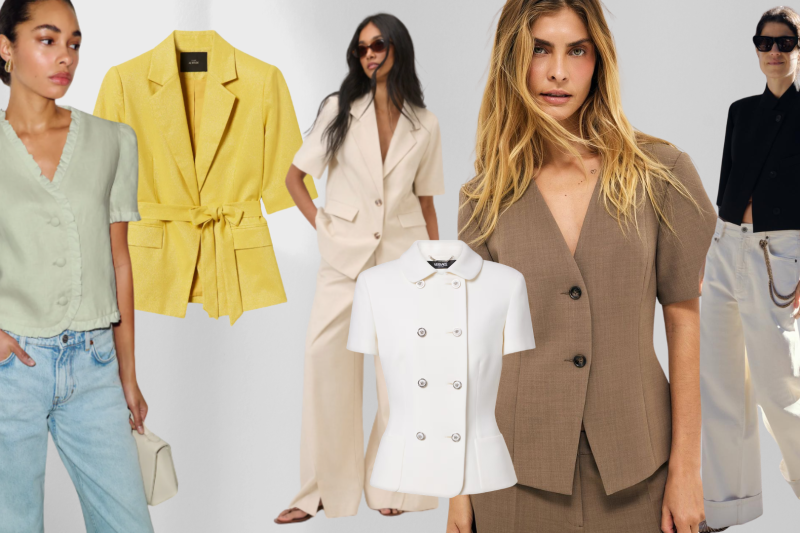
Blazers and structured jackets
Look for a blazer that sits cleanly on your shoulders and closes without pulling. Slight waist shaping is ideal, but avoid overly snatched silhouettes that look dated quickly.
- Best fabrics: wool twill, hopsack, wool blend with structure.
- Most versatile colors: navy, charcoal, camel, cream (in sturdy fabric).
- Modern move: wear with straight jeans and a simple tank to keep it current.
Trousers that skim (not squeeze)
High-rise or mid-rise trousers with a straight or gently tapered leg read classic and polished. The hem should either lightly break on the shoe or sit just above it—no pooling.
- Try pleats if you want ease and drape.
- Avoid ultra-skinny cuts; they fight the relaxed refinement of the look.
Skirts and dresses: clean lines, thoughtful length
A-line, bias-cut, or straight skirts (knee to midi length) work well with loafers, flats, or low heels. For dresses, choose simple shapes with good fabric weight.
Modern move: add a minimal belt, swap pearls for small hoops, and choose a slightly chunkier shoe.
Knitwear: The Quiet Backbone of the Look
Knitwear is where old money style can become either effortlessly chic or painfully performative. The difference is fabric, fit, and how you layer.
What to buy: a small, strong knit capsule
- Merino crewneck in navy or cream (polished under blazers).
- Cashmere (or cashmere blend) sweater in a neutral (buy fewer, care more).
- Cotton cardigan in cream or navy (spring/summer layering).
- Breton stripe knit or tee (classic but not precious).
How to style knits without looking like a stereotype
The “sweater over shoulders” trick can read costume-like if everything else is also hyper-preppy. If you like it, keep the rest of the outfit modern.
- Pair a draped knit with relaxed denim, a sleek tote, and minimal jewelry.
- Or skip the drape and layer a cardigan over a tank with tailored trousers.
Care is part of the aesthetic
The look relies on clothes staying sharp. De-pill knits, reshape while damp, store folded (not hung), and rotate wears. A well-cared-for $120 sweater often looks better than a neglected $400 one.
Shoes: Where the Outfit Turns “Polished”
Shoes do heavy lifting in the old money fashion style because they’re visible indicators of upkeep. You don’t need a huge collection; you need a few pairs that are maintained.
Loafers and moccasins
Classic penny loafers, horsebit-inspired loafers, or minimal moccasins are staples. Choose leather that isn’t overly glossy and shapes that are slightly substantial, not paper-thin.
- Colors: black, dark brown, oxblood, or rich tan.
- Modern move: wear with straight jeans and a crisp white shirt, sleeves casually rolled.
Ballet flats and minimal mary janes
Flats read “old money” when they’re simple and well-made. Avoid excessive bows, heavy hardware, or overly delicate materials if you want a contemporary feel.
- Look for: almond or softly square toe, secure fit at the heel, leather lining.
Boots: sleek, not loud
Knee-high or ankle boots in smooth leather or suede can anchor the look in colder months. Keep logos minimal and avoid overly aggressive platforms.
Maintenance matters
Polish leather, brush suede, replace heel taps, and condition periodically. “Old money” looks most believable when shoes look owned, not destroyed.
Bags: Structured, Practical, and Not Logo-Forward
Bag choices can quickly tip into “trend cosplay” when they imitate a very specific status symbol. A better approach: pick a functional shape with good structure and minimal branding.
Best bag silhouettes for the vibe
- Structured tote (work and travel-friendly).
- Top-handle satchel (polished, classic).
- Small shoulder bag (clean lines, minimal hardware).
- Leather crossbody (practical, especially in a smooth finish).
Materials and hardware
Full-grain or top-grain leather, sturdy canvas with leather trim, and hardware that isn’t too shiny tend to look more timeless. Aim for zippers and straps that feel robust.
Modern move: mix “classic bag” with contemporary styling
Carry a structured bag with slightly more relaxed clothes—wide-leg jeans, a fitted tee, and a blazer—so the outfit doesn’t look like a period piece.
How to Make Old Money Style Look Modern (Not Like a Costume)
The quickest way to modernize old money fashion style is to avoid stacking too many “signals” at once. If you wear loafers, a blazer, pearls, a headband, a trench, and a cable-knit in one outfit, you risk looking like you’re dressed for a theme.
Use one classic anchor, keep the rest simple
- Anchor: camel coat. Rest: black knit, straight denim, minimal boots.
- Anchor: navy blazer. Rest: white tee, relaxed trousers, clean sneakers or loafers.
- Anchor: cashmere sweater. Rest: silk skirt, minimal jewelry, sleek flats.
Choose subtle contemporary updates
- Slightly wider trouser leg, slightly shorter blazer length, slightly chunkier sole.
- Cleaner necklines (crew, boat, gentle scoop) rather than fussy details.
- Less “matching set,” more thoughtful contrast (e.g., crisp shirt + soft knit).
Let your personal style show through
The original “old money” uniform is exclusionary by nature—built around narrow environments. You don’t need to erase your culture, body type, or taste to borrow the best parts of the look. The most convincing outfits are the ones that feel like you, just refined.
Common Mistakes That Make the Look Feel Costume-Like
- Over-branding (even without logos): copying a head-to-toe “uniform” from one source reads like a character.
- Too many preppy clichés at once: pearls + headband + cable knit + plaid + loafers can tip into parody.
- Ignoring fit: baggy shoulders, pulling buttons, dragging hems undermine the entire effect.
- Buying a new personality: the style works best when it supports your lifestyle, not replaces it.
- Confusing “neutral” with “expensive”: beige isn’t automatically elegant; structure and fabric do the work.
A Practical Old Money Capsule Wardrobe (Modern Edition)
If you want the old money fashion style without overhauling your closet, start with a small capsule and build slowly. Aim for pieces that mix into your existing wardrobe.
Tailored essentials
- Navy or charcoal blazer
- Straight-leg trousers (wool or structured cotton)
- Crisp white or light-blue button-down
- Trench coat or wool topcoat
Knitwear essentials
- Merino crewneck in navy, cream, or grey
- Cardigan (cotton or merino) in a neutral
- Breton stripe top (tee or knit)
Shoes and bags essentials
- Leather loafers
- Minimal flats or sleek ankle boots
- Structured tote or satchel
Optional accents (use sparingly)
- Silk scarf (as a neck tie, bag accent, or hair tie)
- Simple watch
- Small gold hoops or understated studs
Outfit Formulas You Can Repeat
Repeatable formulas are what make the look feel authentic. The goal is a wardrobe you can wear on rotation, not a one-time “aesthetic” outfit.
Formula 1: Blazer + knit + trousers
Wear a merino crewneck under a blazer with straight trousers and loafers. Add a structured tote. Keep jewelry minimal.
Formula 2: Button-down + denim + polished shoes
Pair a crisp shirt with straight-leg jeans and loafers or flats. Add a belt and a top-handle bag for structure.
Formula 3: Midi skirt + fine knit
A bias-cut midi skirt with a tucked-in knit reads refined. Add flats and a minimal shoulder bag. Choose a modern skirt print or a deeper color to avoid looking dated.
Formula 4: Coat-as-the-outfit
Let a trench or wool coat be the main piece. Underneath, keep it simple: tee or knit, trousers or denim, sleek boots.
Buying Smarter: Budget-Friendly Ways to Get the Look
You don’t have to shop luxury to dress well. Because the old money fashion style prioritizes longevity, it pairs naturally with secondhand shopping and strategic tailoring.
- Thrift and consignment: blazers, coats, silk scarves, and leather bags often shine secondhand.
- Tailor secondhand finds: small alterations can transform an oversized blazer into a staple.
- Prioritize “touch points”: shoes, bag, coat, and knitwear are most noticeable in wear.
- Buy fewer colors: repetition is what makes outfits look intentional.
FAQ: Old Money Fashion Style
Is old money fashion style the same as quiet luxury?
They overlap, but they’re not identical. Quiet luxury is often used to describe expensive minimalism with subtle branding. Old money fashion style is more about traditional wardrobe codes—tailoring, knitwear, and classic accessories—plus the habit of wearing items repeatedly over time.
How do I wear old money style without looking like I’m pretending to be rich?
Focus on fit, fabric, and grooming rather than signaling status. Build a small uniform you genuinely wear—one good blazer, trousers that fit, well-kept shoes—then repeat outfits confidently. Avoid stacking too many “preppy” symbols at once.
What are the best shoes for an old money outfit?
Leather loafers are the most versatile, followed by minimal flats and sleek boots. More than the exact style, what matters is condition: clean uppers, maintained soles, and a polished finish.
Can old money style work with streetwear or trend pieces?
Yes. Pair one classic item with one contemporary element: a blazer with relaxed jeans, a trench with clean sneakers, or a fine knit with modern wide-leg trousers. The balance keeps it current.
What if I live in a hot climate?
Choose breathable versions of the classics: linen trousers, cotton poplin shirts, lightweight unlined blazers, and loafers or flats. Stick to light neutrals and keep layers minimal while maintaining structure.
Conclusion: Make It Yours, Keep It Real
The best interpretation of the old money fashion style isn’t about looking like you stepped out of a country club montage. It’s about building a wardrobe with strong basics—tailoring that fits, knitwear that lasts, shoes and bags that hold up, and a color palette that makes getting dressed easy.
If you keep the focus on quality, repetition, and personal authenticity, you’ll get the refinement people associate with “old money” without the costume effect—and without letting a trend define you.