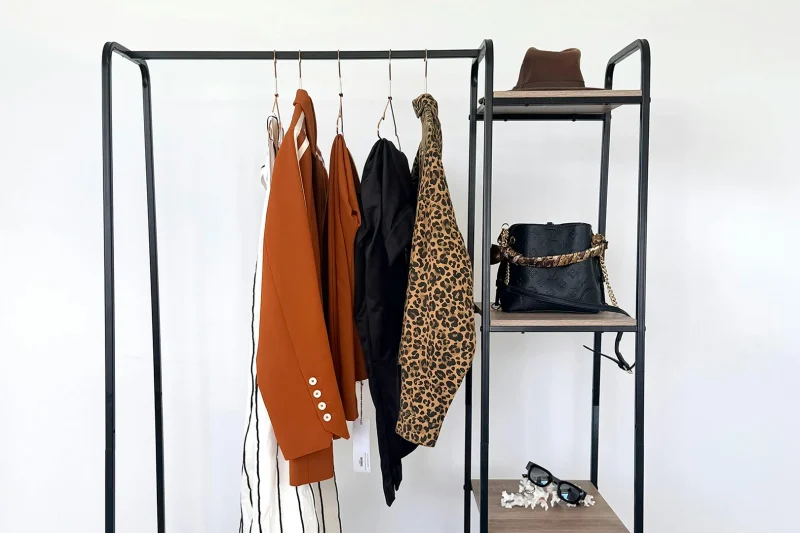
A minimalist capsule wardrobe doesn’t have to feel stark, severe, or repetitive. Quiet style is about restraint with intention: thoughtful proportions, beautiful fabrics, impeccable fit, and a neutral palette that looks rich rather than bland. This guide shows you how to build a capsule that feels calm, elevated, and distinctly yours—without the “uniform” effect.
What “Quiet Style” Means in a Minimalist Capsule Wardrobe
Quiet style is not about trends or logos. It’s the art of looking polished in pieces that don’t ask for attention. In practice, it means your wardrobe is built on:
- Proportion that flatters your body and reads modern.
- Fabric that holds shape, drapes well, and ages beautifully.
- Fit that feels tailored, not tight.
- Neutral colour palettes with depth (not just black and white).
- Investment-worthy staples you can wear weekly for years.
If your goal is a minimalist wardrobe that still feels feminine, soft, and interesting, the secret is not adding more pieces—it’s choosing better ones.
Start With Your Personal Baseline: Lifestyle, Climate, and Style Notes
Before buying or editing, define what your capsule needs to do for you. A minimalist capsule wardrobe works best when it reflects real life, not an idealised version of it.
Ask These Three Questions
- Where do I spend my time? (office, home, school runs, events, travel)
- What’s my climate? (heat, cold, rain, four-season layering)
- What silhouettes do I reach for? (straight, relaxed, fitted, oversized)
Write down 5–7 outfits you genuinely love wearing. Those outfits reveal your natural proportions, preferred fabrics, and the level of structure you like.
Neutral Colour Palettes That Look Expensive (Not Flat)
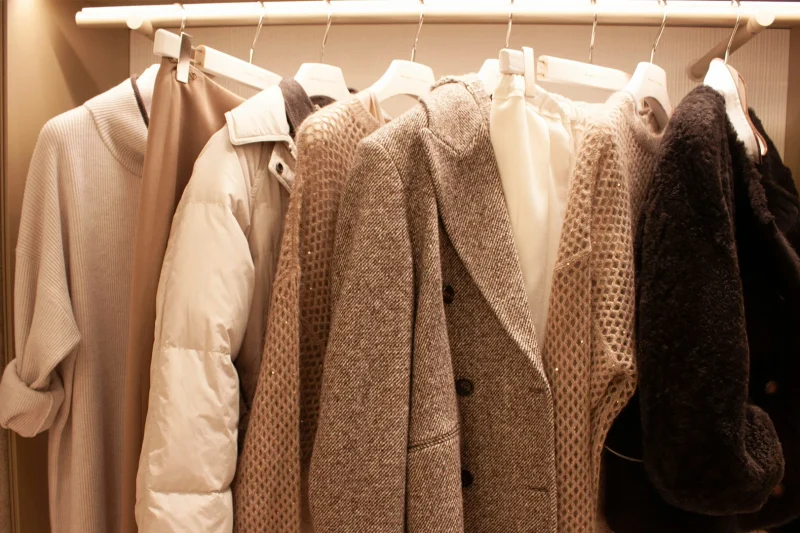
Neutrals create cohesion, but “neutral” doesn’t have to mean only black, white, and grey. Quiet style relies on nuance—warmth, softness, and tonal depth.
Choose One Core Neutral + Two Supporting Neutrals
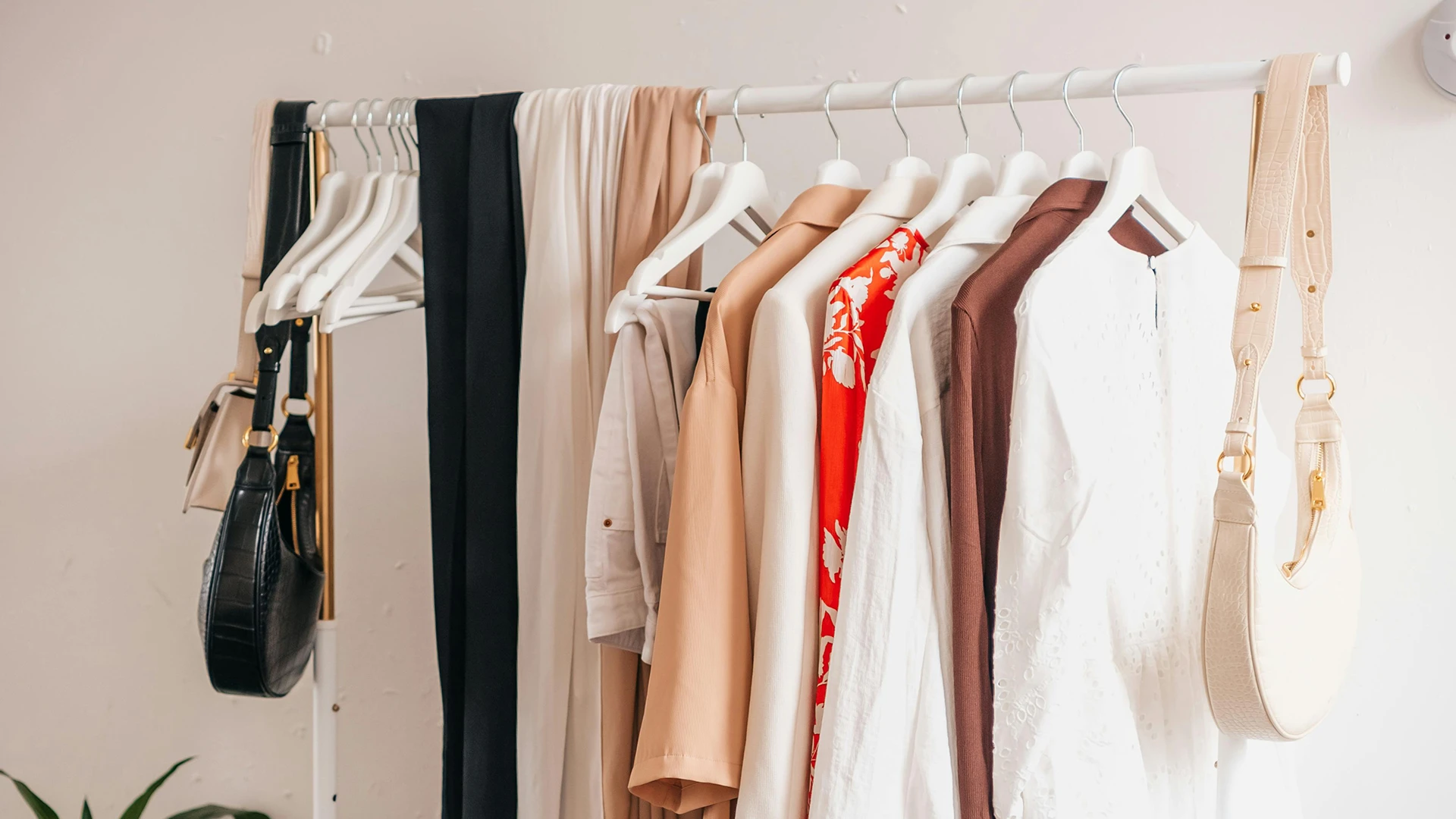
Pick one main anchor shade you’d happily wear head-to-toe, then add two supporting neutrals that layer effortlessly.
- Core neutral options: black, navy, charcoal, chocolate, camel, stone, olive.
- Supporting neutrals: ivory, taupe, dove grey, sand, ecru, soft white.
Add One “Quiet Accent” (Optional)
If you want variety without breaking the calm look, choose a low-saturation accent that behaves like a neutral.
- Muted burgundy
- Dusty blue
- Sage
- Deep teal
- Soft rust
Quiet style is often tonal: different shades of the same colour family, layered with texture rather than contrast.
Proportion: The Fastest Way to Make Minimalism Look Intentional
In a minimalist capsule wardrobe, the silhouette does most of the work. Proportion is what makes simple pieces look styled instead of basic.
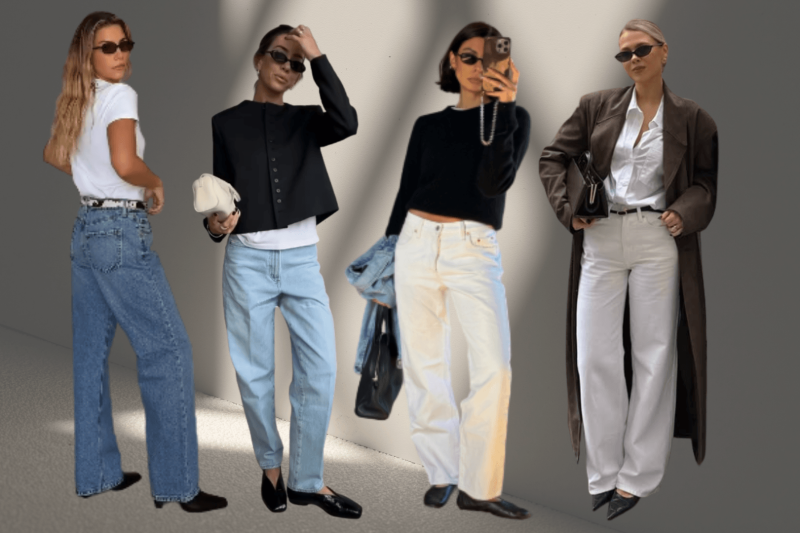
Use the “One Structured + One Relaxed” Rule
Pair one more structured piece with one more relaxed piece to create balance.
- Tailored trousers + fine knit tee
- Relaxed jeans + crisp button-down
- Sleek skirt + softly draped sweater
- Longline blazer + straight-leg denim
Balance Lengths Thoughtfully
Small length choices dramatically affect polish. Aim for clean lines and intentional breaks.
- Top length: cropped-to-hip for high-rise bottoms; longer for slim trousers or leggings.
- Outerwear length: hip length for casual; mid-thigh to calf for elevated minimalism.
- Trouser break: slight break or cropped above the ankle for a crisp finish.
Fabric: The Quiet Luxury Ingredient in a Minimalist Wardrobe
If you want your capsule to feel rich without being flashy, prioritise textiles. The same silhouette in a better fabric immediately looks more refined.
Fabrics That Elevate Everyday Basics
- Wool (merino, cashmere blend, wool suiting): warmth, structure, longevity.
- Cotton (poplin, heavyweight jersey): crisp shirts and tees that hold shape.
- Linen (midweight): breathable and beautiful when slightly rumpled.
- Silk (or a high-quality silk blend): fluid blouses, slips, subtle sheen.
- Denim (rigid or minimal stretch): cleaner lines, better wear.
What to Avoid If You Want “Quiet” Not “Cheap”
- Thin, shiny synthetics that cling or pill quickly
- Overly stretchy fabrics that lose shape
- Delicate weaves you won’t realistically maintain
Choose fabrics that match your life: a pristine white silk blouse isn’t a staple if you’ll never wear it.
Fit: Tailoring Is the Most Underrated Capsule Wardrobe Trick
Quiet style reads as effortless because the clothing fits as if it was made for you. If you invest in fewer pieces, make sure they fit impeccably.
Quick Fit Checks That Make a Big Difference
- Shoulders: seams sit at the shoulder edge; no pulling across the upper back.
- Waist: comfortable when sitting; no gaping at the back of trousers.
- Length: sleeves and hems align with your preferred proportion (not whatever came off the rack).
- Necklines: lie flat; don’t stretch or buckle.
If you do one thing: hem your trousers and sleeves. It instantly upgrades everything you wear.
The Minimalist Capsule Wardrobe Checklist (Quiet Style Edition)
This is a flexible template, not a rigid rulebook. Choose pieces that reflect your personal silhouette preferences and daily needs. The goal is a small collection that mixes seamlessly and still feels interesting.
Tops (7–10)
- 2 high-quality tees (one light, one dark neutral)
- 1–2 ribbed tanks or layering camis
- 1 crisp button-down (cotton poplin or silk blend)
- 1 fine knit crewneck or mock neck
- 1 elevated blouse (silk, viscose, or soft drape)
- 1 relaxed knit or cardigan for layering
Bottoms (4–6)
- 1 straight-leg jean in a clean wash
- 1 tailored trouser (wool or structured blend)
- 1 relaxed trouser or wide-leg pant (for ease)
- 1 skirt (slip, A-line, or column—choose your best shape)
If you don’t wear skirts, swap for a second trouser or denim option.
Layers & Outerwear (3–5)
- 1 longline coat (wool or wool blend)
- 1 blazer or structured jacket
- 1 lightweight trench or rain layer (climate-dependent)
- 1 warm knit layer (turtleneck or chunky cardigan)
Dresses & One-Pieces (1–3)
- 1 minimalist day dress (shirt dress or knit dress)
- 1 slip dress (layerable year-round)
Shoes (3–5)
- Minimal leather sneaker or sleek flat
- Loafer or ballet flat (depending on your style)
- Ankle boot (almond or slightly square toe)
- Simple heel (block heel or kitten heel) for occasions
Bags & Accessories (4–8)
- Structured everyday bag in a core neutral
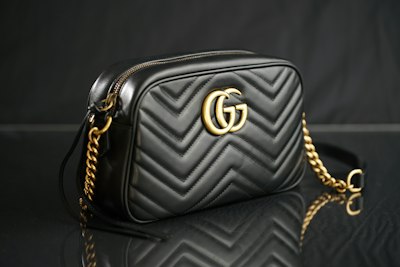
- Crossbody or small shoulder bag
- Leather belt (matched to shoe tones)
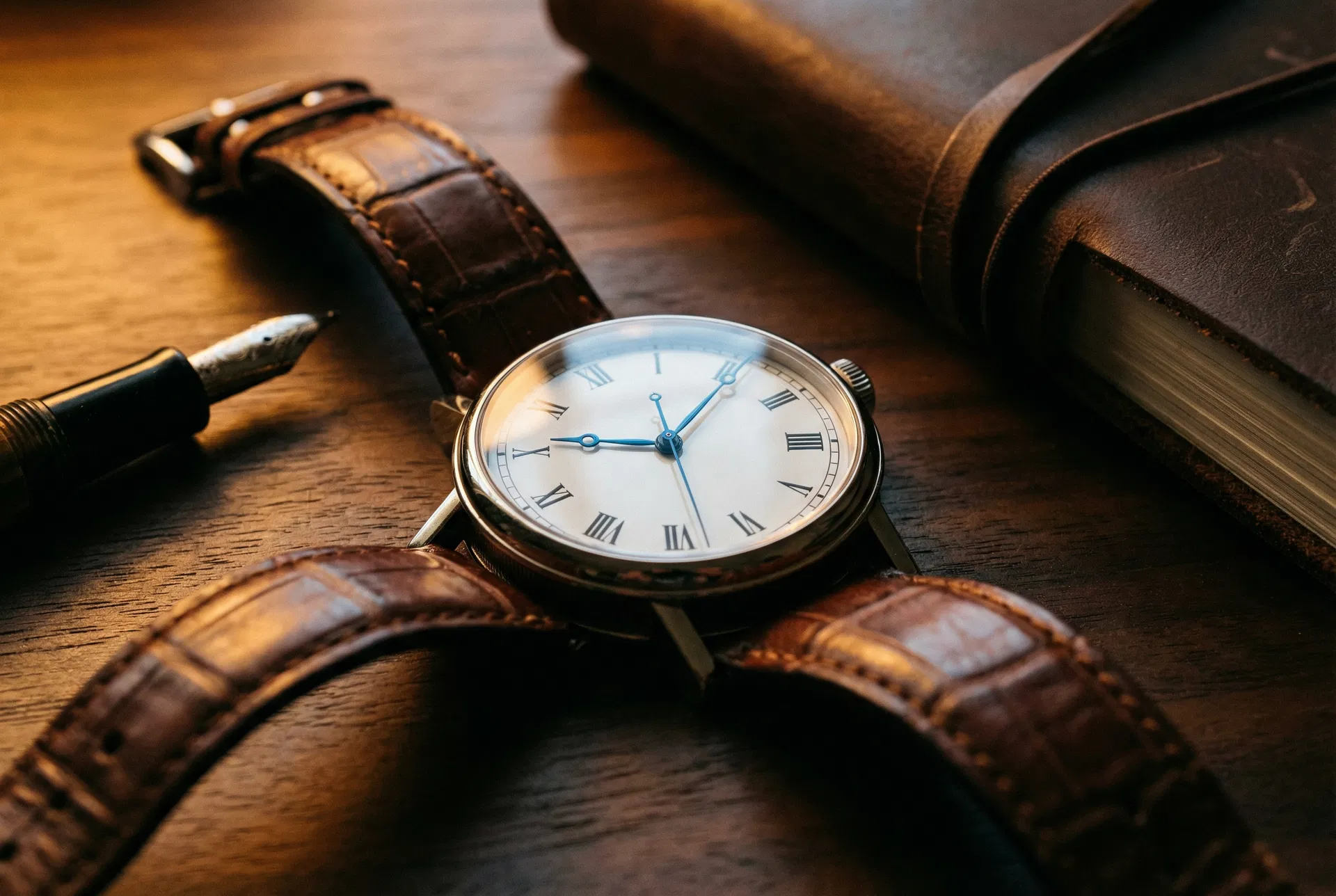
- Simple jewellery: small hoops, chain, watch
- Scarf in wool/silk for colour and softness
How to Keep Minimalist Outfits From Looking Plain
When the palette is quiet, interest comes from texture, line, and detail—subtle, not busy.
Use Texture as Your “Print”
Mix two to three textures in one outfit to create depth.
- Cashmere + denim + leather
- Poplin + wool trouser + suede
- Linen + fine knit + minimal metal jewellery
Build in One Signature Detail
Choose a small styling signature that repeats across outfits.
- Monochrome dressing
- Rolled sleeves and a simple watch
- Gold jewellery only (or silver only)
- Consistent shoe shape (almond toe, square toe)
Master the “Tuck and Drape”
A clean half-tuck, a belt, or a light front tuck can define the waist without forcing a tight silhouette. Pair with a slightly relaxed top for modern balance.
Investment-Worthy Staples: Where to Spend (and Where to Save)
A minimalist capsule wardrobe is cost-effective over time, but it works best when you invest strategically. Spend more on pieces that take daily wear and shape your silhouette.
Spend More On
- Coat (wool content, good lining, strong lapels)
- Blazer or structured jacket
- Leather shoes you’ll wear weekly
- Everyday bag (stitching, hardware, strap comfort)
- Tailored trousers (fit, drape, crease retention)
Save On (If the Fabric and Fit Are Still Good)
- Layering tees and tanks
- Seasonal accent items
- Trend-adjacent silhouettes you’re testing
A Simple 7-Day Outfit Formula (Using the Same Core Pieces)
If your closet is cohesive, you should be able to create multiple outfits without constant shopping. Here are quiet-style formulas you can repeat with your own staples.
- Day 1: Fine knit + tailored trousers + loafers + trench
- Day 2: Crisp shirt + straight jeans + belt + flats
- Day 3: Tee + wide-leg trousers + blazer + sneakers
- Day 4: Slip dress + cardigan + ankle boots
- Day 5: Mock neck + skirt + simple heel + long coat
- Day 6: Button-down (open as a layer) + tank + denim + flats
- Day 7: Knit dress + scarf + boots (or sneakers for casual)
Editing Your Closet: The Quiet, Practical Method
Building a capsule is often more about removal than addition. Edit gently, and you’ll keep a wardrobe that feels like you.
The Three-Pile Edit
- Keep: fits well, worn often, aligns with your palette and lifestyle.
- Tailor/Repair: close to perfect, needs a hem/button/waist adjustment.
- Release: uncomfortable, rarely worn, poor fabric, wrong proportions.
Try everything on. If it doesn’t feel good on your body, it won’t get worn—no matter how “minimalist” it looks on a hanger.
Seasonal Adjustments Without Breaking the Capsule
Your minimalist capsule wardrobe can stay consistent year-round if you rotate a few items strategically.
Warm Weather Swaps
- Swap wool trousers for linen or cotton wide-leg pants
- Add a sleeveless knit and a lightweight shirt
- Choose sandals with clean lines and minimal straps
Cold Weather Swaps
- Add a turtleneck base layer and heavier knits
- Rotate in boots and a long wool coat
- Use tights and socks in tones that match your palette
FAQs About a Minimalist Capsule Wardrobe (Quiet Style Focus)
How many items should a minimalist capsule wardrobe have?
Most women find a strong capsule sits around 25–40 core pieces (excluding activewear and special-occasion items). The best number is the one that covers your week comfortably without decision fatigue.
Can I wear colour and still have a minimalist capsule wardrobe?
Yes. Keep your base neutral and use one muted accent colour, repeated across a few pieces. Consistency is what makes it feel minimalist, not the absence of colour.
How do I make a capsule wardrobe feel feminine without being fussy?
Choose soft structure: a slip skirt with a fine knit, a draped blouse with tailored trousers, or a knit dress with minimal jewellery. Feminine can be quiet—through fabric, movement, and fit rather than ruffles or prints.
What are the most important pieces to tailor?
Trousers (hem and waist), blazers (sleeve length), and coats (sleeve length) make the biggest visual difference. Tailoring is especially powerful in a minimalist capsule wardrobe because every piece gets repeated often.
How do I avoid getting bored with a minimalist wardrobe?
Rotate textures, adjust proportions, and refine styling: change shoes, add a belt, shift to tonal dressing, or swap outerwear. If boredom persists, it’s usually a sign your silhouettes aren’t varied enough—not that you need more clothes.
Closing: Minimalism That Feels Like You
The most successful minimalist capsule wardrobe isn’t the smallest—it’s the one that supports your life while reflecting your taste. Focus on proportion, fabric, fit, and a calm palette, and you’ll build a wardrobe that looks quietly luxurious, feels effortless to wear, and never relies on noise to make an impression.