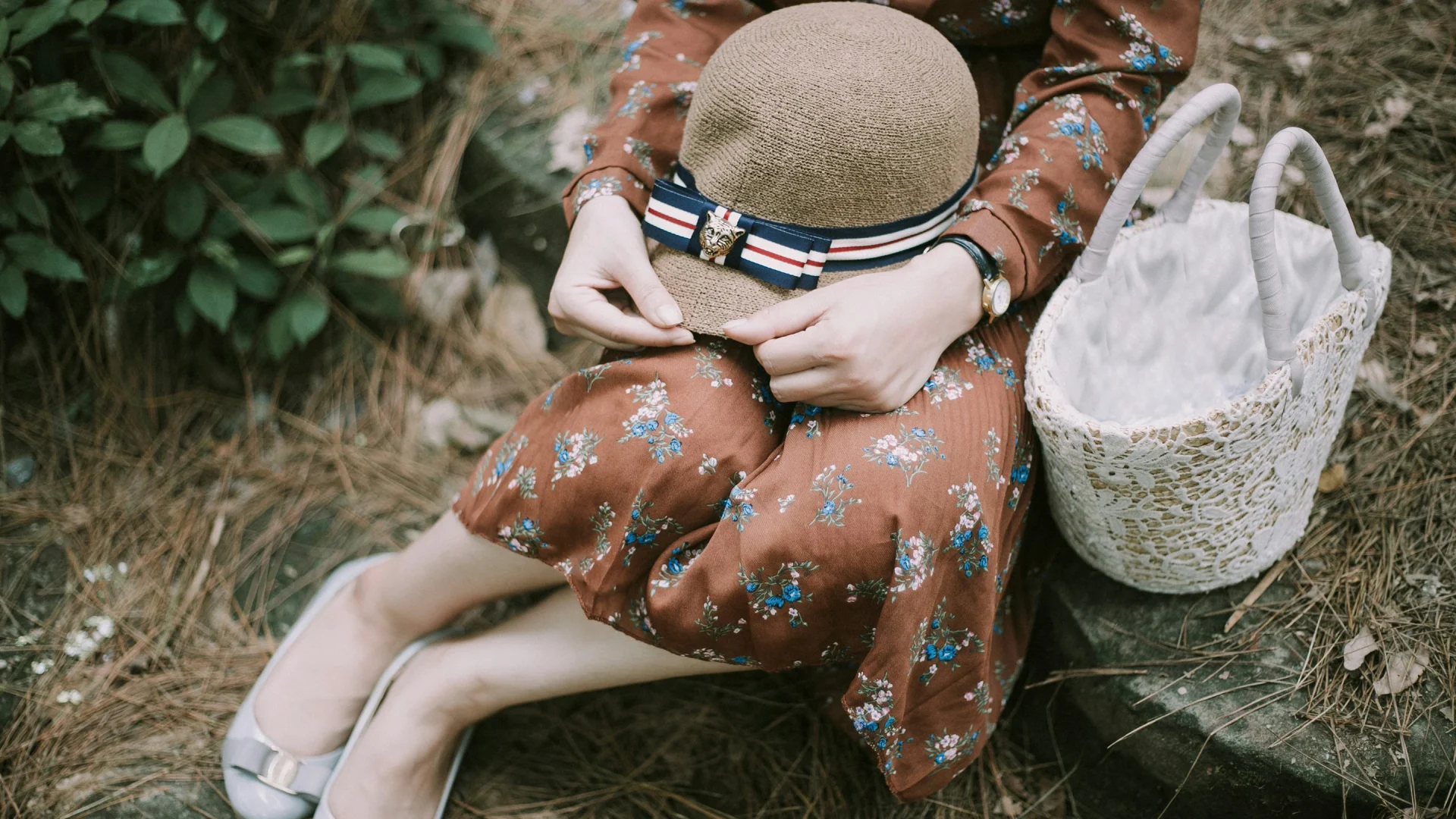
Vintage dressing is one of the easiest ways to make your wardrobe feel personal, elevated, and intentionally different. The challenge is keeping your vintage fashion style looking current—so your outfit reads as modern with a vintage twist, not like a costume.
This guide breaks down what to buy vintage, what to avoid, how to check quality, and the styling rules that help you mix vintage with contemporary luxury for a polished, up-to-date look.
What “Vintage” Really Means (and Why It Matters for Style)
In fashion, “vintage” typically refers to pieces that are roughly 20+ years old, while “antique” is often 100+ years old. The era matters because silhouettes, materials, and sizing standards changed drastically over time.
Knowing the decade helps you style with intention: you can borrow one strong vintage element (shape, print, or accessory) while keeping everything else modern and streamlined.
The fastest way to look contemporary in vintage is to style one statement vintage piece with simple, current basics.
Why Vintage Looks Expensive When Styled Well
Great vintage often has details that are rare in fast fashion: substantial fabrics, thoughtful tailoring, and finishing touches like real horn buttons, bound seams, and quality zippers. When you choose the right categories, vintage can look more luxurious than many new items at the same price.
- Texture adds depth: wool crepe, silk twill, cashmere, leather.
- Structure flatters: well-cut shoulders, defined waistlines, proper linings.
- Uniqueness signals style confidence: no one else has your exact piece.
What to Buy Vintage: The Best Categories for a Modern Wardrobe
Not every category ages the same way. The smartest approach is to buy vintage where craftsmanship and materials shine, and where minor alterations are easy.
1) Coats and Outerwear
Vintage coats are one of the highest-impact purchases. Look for wool, cashmere blends, leather, and suede. A long coat instantly modernizes when paired with sleek boots and a minimal bag.
- Oversized wool overcoats (70s–90s)
- Classic trench coats with solid lining
- Leather blazers and bombers
- Faux fur or shearling (check for shedding and lining wear)
2) Blazers and Tailoring
A vintage blazer can look designer when the fit is right. Prioritize shoulder shape and fabric quality; tailoring the waist and sleeves is usually straightforward.
- Single-breasted wool blazers
- Houndstooth, subtle plaid, or solid neutrals
- Classic navy, camel, charcoal, black
3) Denim (with the Right Cut)
Vintage denim can be excellent, but keep the silhouette current. Straight-leg and relaxed fits are easiest to modernize with contemporary shoes.
- High-rise straight jeans
- Relaxed “mom” styles (balanced with a fitted top)
- Dark wash for a more polished, luxury feel
4) Knitwear: Cashmere, Lambswool, Merino
Vintage knitwear is a value category—especially if you know how to check for damage. Choose simple shapes that layer well under a coat and pair with modern trousers.
- Cashmere crewnecks and turtlenecks
- Merino cardigans in neutral tones
- Ribbed knits that hold shape
5) Silk Shirts and Scarves
Silk is a vintage sweet spot because it elevates basic outfits instantly. A silk blouse with modern jeans and loafers is effortless and current.
- Silk button-ups (avoid overly fussy ruffles if you want a modern look)
- Silk scarves for hair, neck, or bag styling
6) Jewelry and Accessories
Accessories are the easiest way to experiment with vintage fashion style without committing to a full look.
- Gold-toned or sterling pieces (check stamps and clasps)
- Minimalist vintage watches
- Belts with quality leather and solid buckles
- Structured bags (inspect corners, lining, and hardware)
What to Avoid Buying Vintage (or Buy With Caution)
Some pieces date quickly, are difficult to alter, or have hygiene/aging issues that aren’t worth the risk.
1) Ultra-Trendy, Era-Specific Statement Pieces
If the piece screams a specific decade in a head-to-toe way (extreme shoulder pads, novelty prints, heavily embellished cocktail looks), it can veer into costume unless you have a very intentional styling plan.
2) Shoes That Have Been Stored for Years
Vintage shoes can look pristine but still be fragile. Glue can fail, soles can crack, and leather can dry out. If you buy vintage shoes, expect restoration costs and prioritize iconic shapes with quality construction.
3) Delicate Lingerie and Swimwear
Elastic degrades over time, and sizing standards vary. For hygiene and longevity, this is usually better purchased new.
4) Items With Unfixable Fit Challenges
Shoulders, armholes, and complex lined garments can be difficult to alter. If the shoulder seam is far off or the armhole is too tight, it’s rarely worth it.
Vintage Quality Checks: How to Spot a Great Piece Fast
Before you buy, run a quick checklist. Quality control is what makes vintage feel luxe instead of tired.
- Fabric: check for pilling, thinning, shine marks, or weak areas.
- Seams: look for tight stitching, no pulling, and clean finishing.
- Lining: make sure it’s intact and not torn at stress points.
- Closures: test zippers, buttons, hooks, snaps.
- Stains: inspect underarms, collars, cuffs, hems, and the front panel.
- Odor: musty smells can be difficult to remove from certain fabrics.
- Damage: small issues are fine if priced accordingly (missing buttons, minor hem wear).
When possible, check fiber content labels and opt for natural fibers (wool, silk, cotton, linen, cashmere) for a more premium drape and better longevity.
Fit First: Alterations That Make Vintage Look Modern
The number one reason vintage can look dated is fit. A few smart adjustments can transform an older piece into something that looks tailored and current.
Easy, High-Impact Alterations
- Hem trousers and skirts to your ideal length
- Take in the waist on trousers, skirts, and blazers
- Shorten sleeves (especially on blazers and coats)
- Swap buttons for a cleaner, more modern finish
Alterations to Avoid (Often Not Worth It)
- Major shoulder reconstruction
- Changing armholes significantly
- Resizing heavily structured formalwear multiple sizes down
If you’re building a wardrobe around vintage, find a trusted tailor early. Modern tailoring is the bridge between “old” and “intentional.”
How to Wear Vintage Without Looking Dated: Styling Rules That Always Work
Think in contrast: pair vintage character with modern simplicity. The goal is balance—silhouette, color, and texture.
Rule 1: Keep One Star, One Supporting Cast
Choose one statement vintage piece (a coat, blazer, dress, or bag), then style the rest in clean, modern staples.
- Vintage blazer + modern white tee + straight-leg jeans + sleek loafers
- Vintage silk blouse + tailored contemporary trousers + minimal jewelry
- Vintage coat + monochrome knit set + structured bag
Rule 2: Modernize the Silhouette
Many older pieces were cut for different proportions. Update your overall silhouette by pairing vintage volume with modern structure.
- Oversized vintage outerwear + slim base layer
- Vintage pencil skirt + boxy modern knit
- Vintage wide-leg trousers + fitted tank + sharp blazer
Rule 3: Edit the Accessories
Accessories can push a look into “period” territory quickly. If your clothing is vintage, keep accessories modern and minimal—or vice versa.
- Choose clean-lined sunglasses over novelty shapes
- Opt for a structured contemporary bag with vintage clothing
- Keep jewelry simple: one strong piece, not many
Rule 4: Let Fabric Do the Talking
Luxury is often about texture and drape. A simple outfit in silk, wool, or cashmere reads expensive even without loud branding.
Rule 5: Update Hair and Makeup
Head-to-toe “era styling” can look like a theme. If you’re wearing vintage, keep hair and makeup current—clean skin, modern brows, and a more effortless hairstyle tend to balance vintage details beautifully.
How to Mix Vintage With Contemporary Luxury (Without Clashing)
Mixing vintage with contemporary luxury works best when you match the level of refinement. A pristine vintage coat pairs naturally with modern designer shoes or a minimalist bag.
Use These Pairing Principles
- Match structure with structure: vintage blazer + contemporary tailored trousers.
- Match minimal with minimal: vintage slip skirt + modern cashmere knit.
- Match quality with quality: high-grade vintage leather + well-made contemporary footwear.
Easy Luxury Anchors That Modernize Vintage
- Contemporary leather sneakers in a clean profile
- Sharp loafers or understated ankle boots
- A modern trench or minimalist wool coat (to frame a vintage base layer)
- A structured, logo-free bag in a neutral color
Outfit Formulas: Modern Vintage Looks You Can Repeat
If you want a reliable vintage fashion style that doesn’t feel dated, repeatable formulas are key. Use these as templates and swap in different vintage finds.
Formula 1: Vintage Blazer + Modern Basics
Pair a vintage blazer with a fitted tee or tank, straight jeans, and sleek footwear. Add a modern belt and one piece of jewelry.
Formula 2: Vintage Silk + Contemporary Tailoring
Wear a vintage silk blouse tucked into modern pleated trousers or a clean pencil skirt. Keep the color palette neutral for an elevated result.
Formula 3: Vintage Coat as the Statement
Let the coat do the work: monochrome base (knit dress or knit set), modern boots, and a simple bag.
Formula 4: Vintage Denim + Modern Minimalism
Style vintage straight-leg jeans with a crisp white shirt, contemporary ballet flats or loafers, and a structured tote.
Formula 5: Vintage Dress, Modern Shoes
A vintage dress feels instantly updated with modern shoes and a contemporary bag. Keep the jewelry minimal and avoid overly matched accessories.
Building a Vintage-Inspired Capsule Wardrobe
If you want vintage pieces that integrate seamlessly, build a capsule that supports your everyday life. Start with versatile classics, then add personality items slowly.
- One vintage wool coat or trench
- One vintage blazer in a neutral
- One silk blouse
- One high-quality knit
- One pair of vintage straight-leg jeans
- One vintage accessory (watch, belt, or bag)
Keep your modern staples strong: a great white tee, tailored trousers, a minimal sneaker, a sleek boot, and a structured bag will help vintage pieces look intentional.
Care, Cleaning, and Storage: Make Vintage Look New Again
Vintage lasts longer when you treat it like luxury. Proper care prevents the “tired” look that makes vintage feel dated.
Cleaning Tips
- Dry clean sparingly, especially for wool and silk.
- Spot clean and steam when possible.
- Use a fabric shaver for knits (gently) to remove pilling.
- Air items out after wear instead of over-washing.
Storage Tips
- Use padded hangers for delicate pieces.
- Store knits folded to prevent stretching.
- Keep in breathable garment bags (avoid plastic long-term).
- Protect from moths with cedar blocks or lavender sachets.
Where to Shop Vintage (and How to Shop Smarter)
The best finds come from knowing where to look and how to evaluate quickly.
- Curated vintage boutiques: higher price, stronger edit, better condition.
- Thrift stores: best prices, requires time and patience.
- Online vintage platforms: wider selection; always request measurements.
- Estate sales and markets: great for accessories and outerwear.
When shopping online, ask for measurements (shoulders, bust, waist, hips, inseam) and photos in natural light. Compare measurements to an item you already own and love.
FAQs
How do I start wearing vintage if I’m nervous it will look costume-y?
Start with one piece at a time: a vintage blazer, coat, belt, or silk scarf. Pair it with modern basics and keep accessories simple. This lets you build confidence while keeping the look current.
What’s the easiest vintage piece to style for everyday?
A vintage blazer or coat is the easiest because it sits on top of modern essentials. You can wear the same jeans and tee you already own and let the vintage outer layer add character.
How can I tell if a vintage item is good quality?
Check fabric, seams, lining, and closures. Look for natural fibers, strong stitching, intact lining, and working zippers/buttons. Minor issues are fine if they’re easy to fix and the price reflects it.
Can I mix vintage with designer luxury without it looking mismatched?
Yes—match the level of refinement. Pair structured vintage tailoring with clean, modern luxury accessories, and keep the color palette cohesive. Quality materials on both sides make the mix feel intentional.
What vintage trends date the fastest?
Overly themed looks, heavy novelty prints, extreme silhouettes, and too many era-specific accessories at once tend to read dated. If you love a bold vintage piece, balance it with modern shapes and minimal styling.
Final Thoughts: Make Vintage Feel Like You
The best vintage fashion style doesn’t copy a decade—it curates the best elements of the past and filters them through a modern lens. Choose high-quality categories, prioritize fit, and style with contrast. With those basics, vintage becomes the easiest way to look distinctive, polished, and timeless.