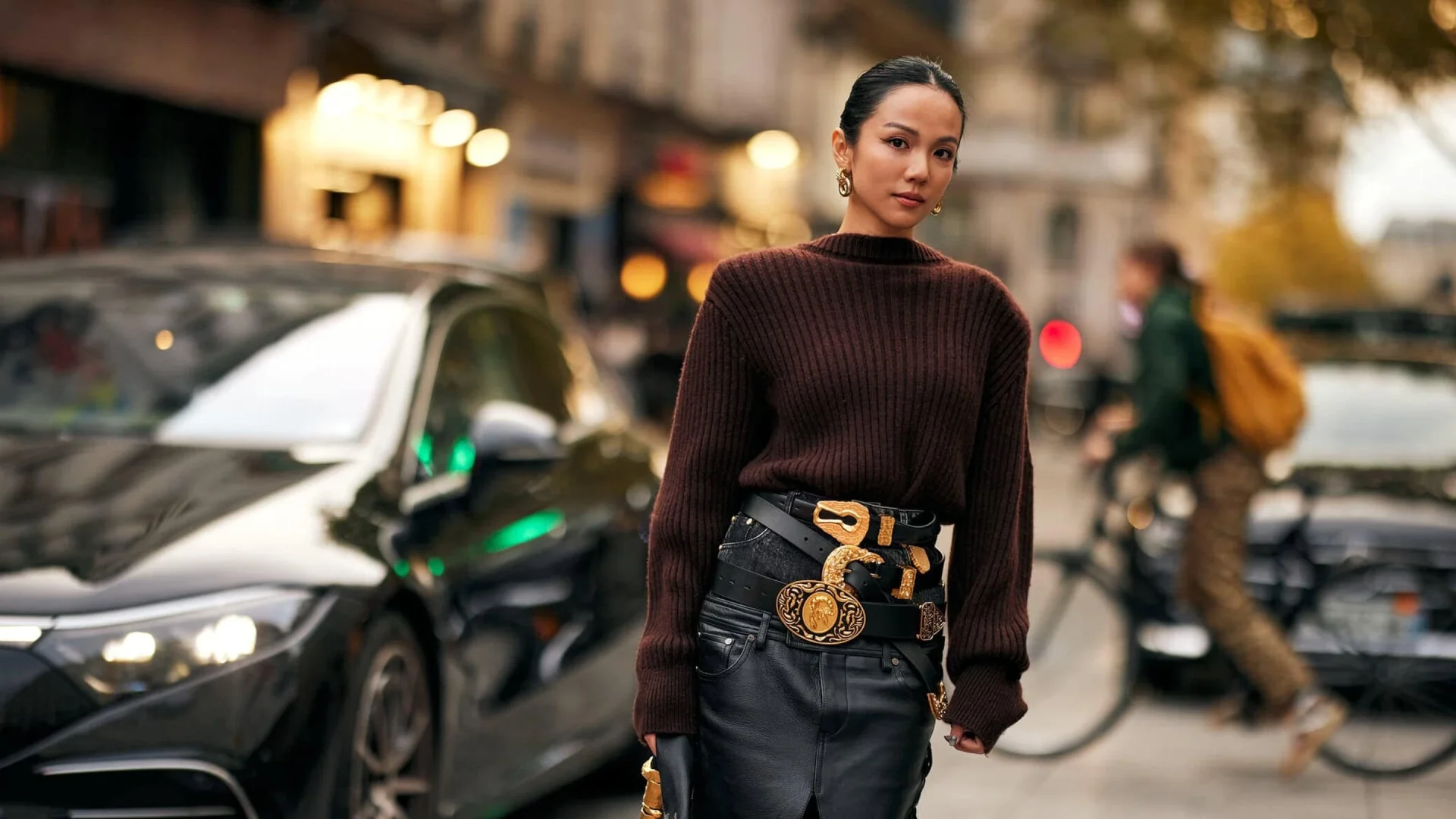
High street fashion 2026 is less about viral “aesthetics” and more about what can survive real wardrobes: repeat wears, mixed styling, price sensitivity, and the push for better materials. This is a trend-analysis of what’s genuinely filtering into mainstream retail—and what’s likely to look current next season, not just next week.
Instead of predicting runway headlines, the focus here is longevity: trends that are showing up across multiple price points, being built into core ranges (not only limited drops), and aligning with how people are actually getting dressed for work, weekends, travel, and events.
How to read high street trends in 2026 (without getting trend-trapped)
High street adoption is a lagging indicator—but it’s also a reality check. When a “trend” becomes a repeatable product category (multiple colors, reorders, fit variations), it has a better chance of sticking.
- Range integration: Is it part of the permanent line (basics, tailoring, denim), or a one-off novelty?
- Fabric commitment: Are retailers using better fibers and finishes, or cheaper lookalikes?
- Styling flexibility: Can it work with existing wardrobe staples across seasons?
- Occasion spread: Does it work for office, casual, and evening with small changes?
Longevity on the high street rarely looks “new.” It looks like improved versions of familiar pieces—better cut, better fabric, smarter details.
The 2026 high street shift: from statement pieces to systems
A major through-line in high street fashion 2026 is the move from single “hero” items to outfit systems: sets, modular layers, and dependable silhouettes that can be remixed. This isn’t boring—it’s pragmatic style shaped by tighter budgets, changing office norms, and a higher standard for wear-per-cost.
Trends worth taking seriously in high street fashion 2026
1) Elevated basics (but genuinely elevated)
Basics are no longer filler. Retailers are putting design energy into tees, tanks, knits, and shirts because these items sell repeatedly and anchor outfits. The difference in 2026 is the emphasis on fit architecture and finishing.
- Heavier cotton jerseys with cleaner necklines and better recovery
- Rib knits that hold shape and don’t go sheer
- Shirts with thoughtful proportions (collar size, cuff width, hem curves)
- Refined neutrals: soft white, oat, stone, ink, chocolate
What makes this trend durable is that it improves your wardrobe without locking you into a single season’s vibe.
2) The return of “smart casual” tailoring
Tailoring on the high street is evolving from rigid suiting to softer structure: pieces that can read professional without feeling formal. Expect wider adoption of relaxed blazers, fluid trousers, and skirts that move.
- Blazers with lighter shoulder structure and longer lines
- Full-length trousers with front pleats and adjustable waists
- Matching sets that can be separated easily (blazer + denim, trouser + knit)
Longevity signal: when the same silhouette appears in multiple fabrications (wool-blends, linen-blends, crease-resistant weaves) and is offered across “work” and “occasion” edits.
3) Utility, refined: pockets and hardware that feel intentional
Utility isn’t disappearing—it’s getting quieter. In high street fashion 2026, utilitarian details are less costume and more function: cleaner cargo shapes, subtle topstitching, and hardware that looks premium rather than loud.
- Modern cargos that taper or fall straight (not ballooning)
- Lightweight chore jackets and overshirts as transitional layers
- Technical fabrics used sparingly (windbreakers, travel-ready outerwear)
This trend lasts because it’s tied to lifestyle: commuting, travel, and unpredictable weather.
4) Modular dressing: sets, co-ords, and “three-piece outfits”
High street retailers are doubling down on pieces that build complete outfits with minimal effort. Co-ords and knit sets continue, but the more lasting angle is modular layering: a base, a mid-layer, an outer layer—each wearable alone.
- Knit tees + matching cardigans
- Waistcoats and sleeveless layers over shirts and tees
- Skirt-and-top sets designed to mix with denim and tailoring
Longevity signal: pieces are sold individually (not only as a fixed set) and work across multiple seasons with simple layering.
5) Better denim: shape-led, not trend-led
Denim is stabilising into a few reliable silhouettes, and the high street is improving fabric quality to match. The key 2026 update is refinement: less distressed chaos, more intentional washes and fits.
- Relaxed straight and full-length wide-leg as daily staples
- Clean dark denim for “smart casual” dressing
- High-rise to mid-rise options with a more comfortable waistband
If you’re using high street fashion 2026 as a guide, prioritise denim with good weight and minimal stretch for longer shape retention.
6) Quiet texture: the new “interest piece”
Instead of loud prints, the high street is using texture to create visual depth: ribbing, bouclé, slub knits, crinkle cottons, and subtle jacquards. These read elevated without being memorable in a “dated” way.
- Textured knits replacing graphic sweaters
- Crinkle and puckered fabrics for easy summer dressing
- Matte satin and brushed finishes for evening
Texture is one of the most reliable longevity cues because it enhances basics without trapping them in a microtrend.
7) Dresses that work harder: day-to-night without “occasion” messaging
The high street is moving away from overly themed occasionwear and toward dresses that can be styled up or down. The silhouettes that keep returning are those that accept different shoes, bags, and outerwear.
- Column and slip-inspired shapes with adjustable straps or layering potential
- Shirt dresses and wrap styles with better drape
- Midi lengths with movement (gored panels, bias cuts)
Longevity signal: the same dress style appears across seasons with fabric changes (cotton in spring, satin in holiday edits).
8) Footwear: comfort-engineered, visually streamlined
Shoe trends on the high street can be fickle, but 2026’s direction is clear: comfort features are being built into silhouettes that still look polished.
- Low-profile trainers with cleaner uppers
- Slingbacks and low heels that prioritise walkability
- Loafers and minimal boots with softer construction
Look for durable soles, decent lining, and balanced proportions—those are the things that age well.
9) Accessories: fewer statements, better proportions
In high street fashion 2026, accessories are less about novelty and more about completing the outfit system. Bags are trending toward practical shapes that sit well on the body, while jewellery is leaning sculptural but restrained.
- Medium shoulder bags and crossbodies with structured softness
- Belts used to define shape in tailoring and dresses
- Simple metal jewellery with interesting form (not logos)
Trends to be cautious about (high street edition)
These can still be fun, but they tend to date quickly, photograph better than they wear, or rely on gimmicky details that don’t translate into repeat outfits.
- Overly literal “aesthetic” dressing that only works as a full look
- Extreme cut-outs and ultra-sheer layering that limits where you can wear it
- Hyper-distressed denim and heavy embellishment that’s hard to maintain
- Novelty micro-bags and impractical shoes that don’t earn cost-per-wear
What high street fashion 2026 gets right about sustainability (and what to watch)
Sustainability messaging is maturing, but it still varies widely. The best sign of progress is when “better” choices are embedded into core product categories rather than isolated capsules.
- Better sign: clearer fiber info, recycled content quantified, improved durability in knitwear and denim
- Watch out: vague “eco” labels, unverified claims, and poor construction that shortens garment lifespan
A practical sustainability approach for 2026 is to buy fewer pieces that integrate easily, then care for them properly (gentler washing, airing knitwear, rotating shoes).
A quick checklist: how to shop high street trends with longevity
- Choose silhouettes you can wear with at least three existing items in your wardrobe
- Prioritise fabric feel and structure (weight, lining, seam finish)
- Prefer adjustable details (belts, ties, waist tabs) over extreme fits
- Buy the “update,” not the costume version of a trend
- If you love a microtrend, keep it to accessories rather than key garments
FAQs
What is the biggest high street fashion 2026 trend with real staying power?
Elevated basics paired with softer tailoring. They’re being built into core ranges across multiple retailers, work across occasions, and don’t rely on gimmicks—making them easy to keep wearing beyond one season.
How can I tell if a trend will last on the high street?
Look for breadth and repetition: multiple colorways, multiple fabrications, reorders, and styling support across categories (outerwear, shoes, bags). If it only appears as one statement item with a loud detail, it’s more likely to be short-lived.
Is high street fashion 2026 moving away from bold color?
Not exactly—it’s becoming more selective. Expect grounded shades (chocolate, olive, oxblood, deep navy) and “soft brights” used as accents, rather than head-to-toe neon or hyper-saturated palettes.
What should I invest in if I’m rebuilding my wardrobe in 2026?
Start with a great blazer or light jacket, a pair of refined straight or wide-leg jeans, comfortable polished shoes (loafer or low heel), and a set of elevated tees/knits. These pieces form the backbone of the more durable direction in high street fashion 2026.
Are co-ords still worth buying in 2026?
Yes, if they’re modular. The most wearable sets are those where each piece stands alone: trousers that work with shirts, skirts that pair with knits, and tops that layer under tailoring.
Bottom line: the most “current” look is the most wearable one
High street fashion 2026 is rewarding people who dress with intention: fewer pieces, better styling, and smarter silhouettes that flex across daily life. The trends worth taking seriously are the ones that quietly upgrade your wardrobe—without demanding you replace it every season.