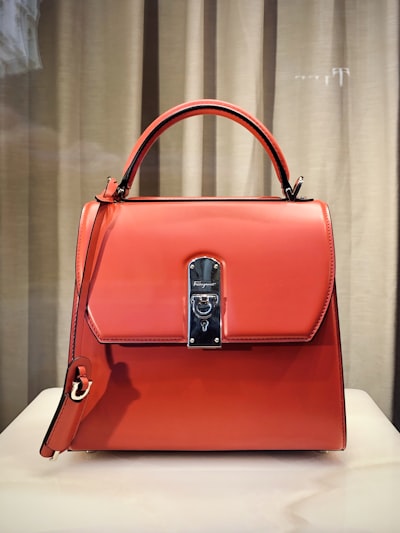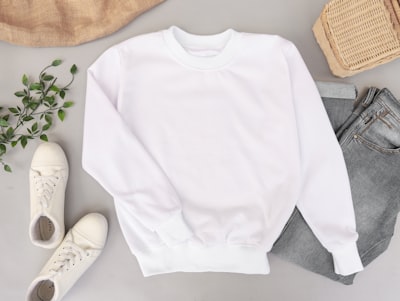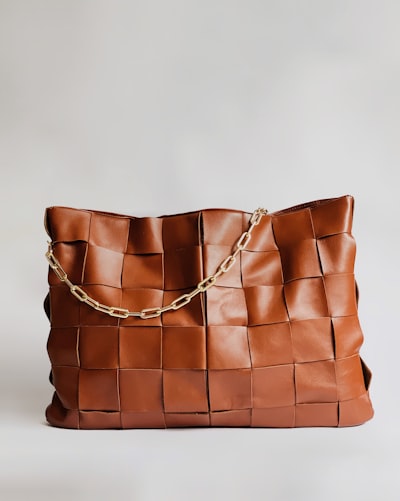
In a world that has long equated luxury with the conspicuous, a quieter, more confident sensibility is taking hold. The era of the screaming logo and the instantly identifiable It-bag is ceding ground to something altogether more refined: quiet luxury. It’s a language of stealth wealth, spoken not through ostentatious branding but through the subtle dialect of exquisite fabric, impeccable cut, and the kind of craftsmanship that reveals its value only to the discerning eye. As we look towards 2026, this movement is not just a fleeting trend but a fundamental redefinition of what it means to be truly elegant. These are the brands that don’t need to shout; their quality speaks volumes.
The Philosophy of Permanence
At its core, quiet luxury is an antidote to the relentless cycle of fast fashion and fleeting trends. It champions the idea of a wardrobe built on permanence, where each piece is an investment in enduring style and unparalleled quality. This is fashion as an art form, not a disposable commodity. The focus shifts from the name on the label to the story woven into the garment itself — the generations of expertise behind a perfectly stitched seam, the rarity of the fibres in a cashmere sweater, the thoughtful architecture of a coat that will hang in your wardrobe for decades, not just a season. It’s a return to the foundational principles of haute couture, democratised for the modern connoisseur. Brands in this space are not selling clothes; they are offering heirlooms.
In a world saturated with noise, true luxury whispers.
The Row, founded by Mary-Kate and Ashley Olsen, has become a byword for this new paradigm. With a name inspired by London’s Savile Row, the brand’s devotion to tailoring is almost religious. Their collections are a masterclass in radical simplicity: oversized cashmere coats that envelop the wearer in a cocoon of understated opulence, wide-leg trousers with a fluid, perfect drape, and the now-iconic ‘Margaux’ bag, a study in logo-free, structured elegance that can command a price upwards of $5,000. Each piece is an exercise in restraint, relying on the purity of its form and the superiority of its materials to make a statement.
Then there is Brunello Cucinelli, the Italian maestro who has built an empire on the foundations of “humanistic capitalism” and the world’s finest cashmere. From his hamlet-factory in Solomeo, Cucinelli produces knitwear that is the stuff of legend. A simple crewneck sweater, which can cost over $2,000, is transformed into an object of desire through the use of feather-light cashmere, artisanal dyeing techniques, and a fit that is both relaxed and impeccably polished. Cucinelli’s philosophy extends beyond the product; he invests in his community and artisans, believing that ethical and sustainable practices are the ultimate luxuries.
The Houses That Whisper
No conversation about quiet luxury is complete without mentioning Loro Piana. A textile dynasty dating back to the early 19th century, the brand has an almost mythical reputation for sourcing and working with the rarest materials on earth. They are the undisputed masters of vicuña, a fibre so fine and precious it was once reserved for Incan royalty. Their iconic ‘Open Walk’ shoes, a slip-on suede desert boot hybrid, have become the unofficial uniform of the global elite, a subtle signifier of taste and status that costs around $1,100. Loro Piana doesn’t follow trends; it is a world unto itself, defined by an unwavering commitment to excellence.
Beyond these titans, a constellation of other brands is shaping the quiet luxury landscape of 2026. Khaite, with its sensual knitwear and perfectly crafted denim, offers a New York edge to the movement. Max Mara continues to define timeless elegance with its iconic camel coats, a design that has remained unchanged and coveted for decades. And one cannot forget the ultimate progenitor of this ethos, Hermès, a house that has always prioritized craft over clamour, where the value of a Birkin or Kelly bag lies not in its logo, but in the hundreds of hours of artisanal labour required to create it.
These are not clothes for a season, but companions for a lifetime.
As we move further into the decade, the principles of quiet luxury will only become more resonant. In an increasingly transparent and conscious world, consumers are looking for more than just a status symbol. They are seeking substance, longevity, and a connection to the things they buy. The appeal of these brands lies in their ability to offer just that: a sense of permanence in a transient world. They remind us that the most powerful statements are often the ones made in a whisper, and that true style is not about being seen, but about being remembered.