
The allure of the open road, the symphony of a finely-tuned engine, and the timeless elegance of a classic design — for many, the world of vintage cars is more than just a hobby; it’s a passion. But where does one begin? Embarking on the journey of collecting vintage cars can seem daunting, a rarefied world reserved for the seasoned connoisseur. Yet, with the right knowledge and a discerning eye, the dream of owning a piece of automotive history is more attainable than you might think. This guide will equip you with the fundamentals, from identifying the right models to understanding the nuances of provenance and care, ensuring your first foray into the world of classic cars is a rewarding one.
The Art of the Collection: Finding Your Focus
Before you start scouring the classifieds, it’s essential to define the direction of your collection. A focused collection is not only more satisfying to build but also holds its value better over time. Consider what truly ignites your passion. Is it the raw power of American muscle cars, the sophisticated engineering of German sports cars, or the romantic charm of pre-war British roadsters? You might choose to focus on a specific manufacturer, such as Ferrari or Aston Martin, or a particular era, like the golden age of post-war design. Some collectors even build their collections around a specific body style, such as convertibles or coupés. Whatever your preference, a clear theme will provide a roadmap for your acquisitions and create a more cohesive and valuable collection.
Good Entry Points for the New Collector
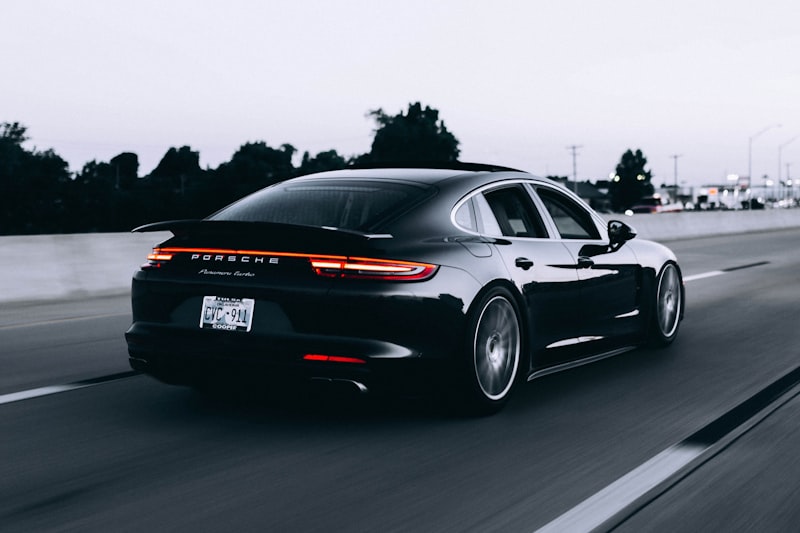
For those taking their first steps, certain models offer a perfect blend of style, performance, and accessibility. The Porsche 911, in its various air-cooled iterations, is a perennially popular choice, offering a thrilling driving experience and a robust owners’ community. The Jaguar E-Type, often lauded as the most beautiful car ever made, is another excellent starting point, with its iconic design and quintessentially British character. For those with a taste for continental glamour, the Mercedes-Benz 300SL, with its distinctive ‘gullwing’ doors, represents a blue-chip investment and an undeniable statement piece. These models are not only desirable but also benefit from strong parts availability and a wealth of specialist knowledge, making them a more manageable proposition for the novice collector.
Due Diligence: What to Look For
Once you’ve identified a potential purchase, a thorough inspection is paramount. While the thrill of a barn find is the stuff of legend, the reality is that a car with a well-documented history is a far safer investment. Provenance is key. A comprehensive file of service records, ownership history, and restoration invoices will not only confirm the car’s authenticity but also provide a valuable insight into its past. When inspecting a car, look beyond the gleaming paintwork. Check for signs of rust, especially in the chassis and underbody. Examine the panel gaps for consistency, as uneven gaps can indicate a past accident. The engine should start readily and run smoothly, without any untoward noises or smoke. If you’re not confident in your own mechanical knowledge, it’s always wise to enlist the services of a specialist for a pre-purchase inspection. Their expert eye can save you from a costly mistake.
“A classic car is more than just a machine; it’s a piece of living history. Its value lies not just in its metal and mechanics, but in the stories it tells and the emotions it evokes.”
The Investment Angle: More Than Just a Pretty Face
While passion should always be the primary driver, the investment potential of classic cars is an undeniable attraction. The market for classic cars has shown significant growth over the past decade, with certain models appreciating in value at a rate that outpaces traditional investments. However, it’s important to approach the market with a degree of caution. Not all classic cars are created equal, and values can be subject to fluctuations. The key to a sound investment is to buy the best you can afford. A car in excellent condition with a strong provenance will always be more desirable and hold its value better than a lesser example. Remember that the costs of ownership, including storage, insurance, and maintenance, will all have an impact on your overall return.
Living with a Classic: Storage and Maintenance
Owning a classic car is a commitment that extends beyond the initial purchase. Proper storage is essential to protect your investment from the elements. A climate-controlled garage is the ideal environment, but a dry, secure space will suffice. Regular maintenance is also crucial to keep your car in top condition. While some owners relish the hands-on experience of tinkering with their own cars, others prefer to entrust the work to a specialist. Joining a local owners’ club can be an invaluable resource, providing access to a wealth of knowledge, technical advice, and a community of like-minded enthusiasts. They can also be a great source for finding trusted mechanics and sourcing rare parts.
The journey of collecting vintage cars is a deeply personal one, a chance to connect with the past and indulge in a passion for craftsmanship and design. It’s a world of camaraderie, of Sunday drives and concours lawns, of shared stories and a mutual appreciation for the art of the automobile. By starting with a clear focus, doing your due diligence, and embracing the community, you can build a collection that is not only a source of immense pleasure but also a lasting legacy.