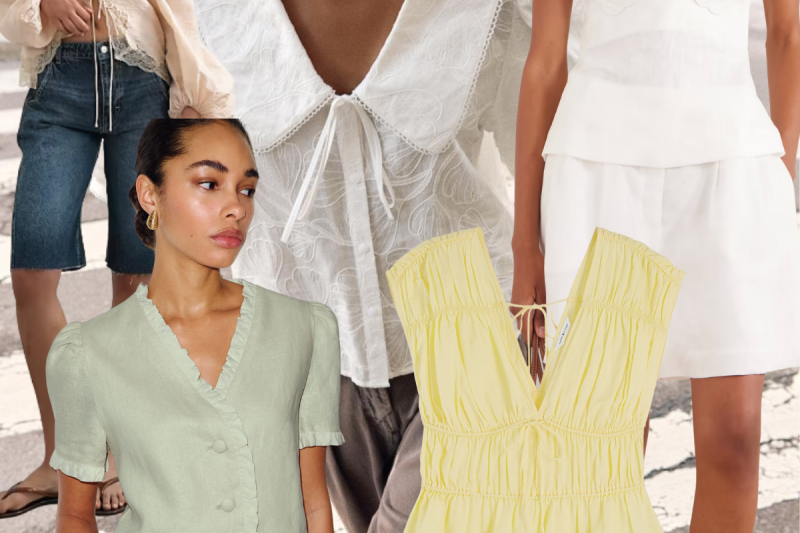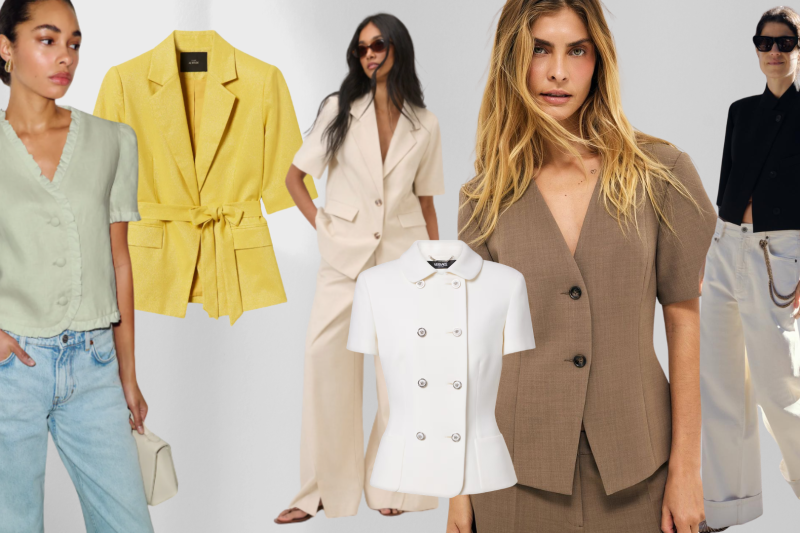
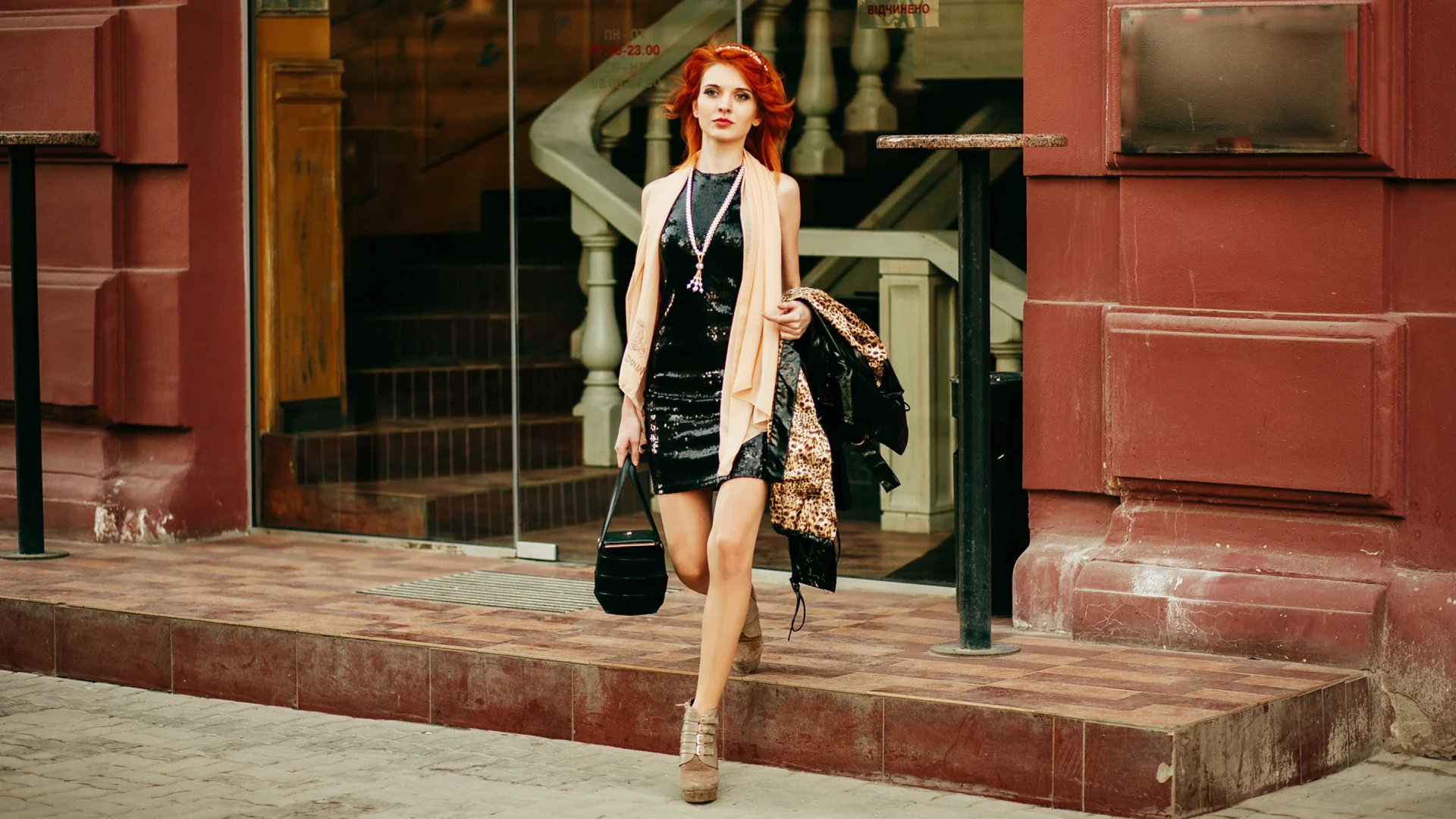
What is high street fashion? It’s clothing and accessories sold by mainstream retail brands at accessible price points, designed to reflect current trends and be easy to buy in-store and online. “High street” originally refers to the main shopping streets in the UK, but the term is now widely used to describe mass-market fashion labels around the world.
This guide explains what high street fashion means, how it differs from designer and luxury fashion, why quality varies so much between brands (and even within the same brand), and how to shop the high street more selectively for pieces that look better, last longer, and style more easily.
What Is High Street Fashion? (Simple Definition)
High street fashion sits between fast fashion and premium/designer fashion. It focuses on:
- Accessibility: widely available, with frequent new arrivals.
- Trend-led design: inspired by runway, celebrity, and street style, adapted for everyday wear.
- Mid-to-lower pricing: made to hit specific price points, often through large-scale production.
- Broad sizing and styling: designed to appeal to a wide audience and different occasions.
In practice, “high street” can include everything from budget basics to higher-priced “premium” capsules within the same retailer.
High Street Fashion vs Fast Fashion vs Designer vs Luxury
These categories overlap, but the key differences are usually price, production pace, materials, and brand positioning.
High street vs fast fashion
Fast fashion is a business model built on extremely rapid trend cycles, very frequent product drops, and aggressive pricing. High street brands may also release often, but some offer more considered design, better fabrics, or stronger quality control. The term “high street” is broader and can include both trend-heavy and more classic, wardrobe-focused brands.
High street vs designer fashion
Designer fashion generally means pieces created by established designers or design houses with stronger creative direction, lower production volumes, and higher prices. You often pay for:
- Design originality and distinctive cut
- Higher-grade materials (not always, but often)
- More complex construction and finishing
- Brand cachet and heritage
High street fashion, by contrast, is made for scale and speed, and it typically simplifies construction to meet a target price.
Designer vs luxury (and where “premium” fits)
Luxury usually implies top-tier pricing, strong brand equity, and consistent craftsmanship standards. “Premium” is often used for higher-quality lines that cost more than typical high street, but don’t reach luxury pricing. Many shoppers use “premium high street” to describe brands or collections that prioritize fabric and fit over constant trend turnover.
Examples of High Street Fashion Brands
High street fashion includes a wide range of retailers, from basics-focused to trend-driven. Depending on your country, common examples can include:
- Everyday basics and workwear retailers
- Trend-led chain stores with frequent new collections
- “Premium” high street labels known for tailoring, knitwear, or elevated essentials
- Department-store house brands and diffusion lines
Rather than memorizing a fixed list, focus on the specific garment in front of you: material, construction, and how it fits your body and wardrobe.
What Defines High Street Style?
High street style is less about a single aesthetic and more about wearability. You’ll typically see:
- Trend translation: runway ideas adapted into simpler silhouettes and safer colors.
- Wardrobe staples: jeans, knitwear, tees, coats, shirts, and occasion pieces.
- Mix-and-match outfits: pieces designed to be styled quickly for work, weekends, or events.
- Seasonal updates: frequent refreshes in prints, colors, washes, and proportions.
High street fashion is where trends become wearable: familiar shapes, practical fabrics, and prices that encourage experimentation.
Why Quality Varies So Widely on the High Street
One of the most confusing parts of high street shopping is that a coat from one brand can last five winters, while another looks tired after a month. Quality varies because the high street is built around hitting a price point, and different brands make different trade-offs.
1) Fabric choices and fiber blends
Fabric is often the biggest driver of how a piece looks and wears. Two items can appear similar on a hanger but perform very differently based on fiber content, yarn quality, and finishing. Common reasons quality varies:
- Higher synthetic content can increase durability in some cases, but may reduce breathability and drape.
- Shorter fibers in knits can pill faster.
- Lightweight weaves can become shiny at stress points or lose shape.
- Cheaper linings can affect comfort and longevity in jackets and trousers.
2) Construction and finishing
Details that cost little to spot can be expensive to manufacture well. Look out for differences in:
- Seam allowances (more allowance can mean easier alterations and sturdier seams)
- Stitch density (too loose can unravel; too tight can pucker)
- Edge finishing (overlocking vs clean binding, especially inside coats)
- Hardware (zips, buttons, snaps) and how securely they’re attached
- Pattern matching on checks/stripes (often skipped to save time)
3) Fit models, grading, and consistency
Brands use different fit models and sizing standards, and scaling a pattern up and down (grading) can change proportions. This is why you can be a different size across retailers, and why the same item can fit differently in different colors or restocks.
4) Production scale and supplier differences
Large retailers may produce the same style in multiple factories or change suppliers season to season. That can affect fabric hand-feel, stitching, and dye consistency.
5) Trend speed and garment testing
When collections move quickly, there’s less time for wear testing, wash testing, and refining fit. Slower product cycles often lead to better outcomes, but not always.
How to Shop the High Street More Selectively (Cut, Fabric, Longevity, Styling)
If you want high street pieces that look elevated, the goal is to shop like an editor: fewer items, better choices, and a clear sense of what earns a place in your wardrobe.
Start with cut: the fastest route to looking “expensive”
Even average fabric can look good when the cut is right. In the fitting room, focus on:
- Shoulder seams: they should sit at your shoulder point (unless intentionally oversized).
- Necklines: check gaping, puckering, or a collar that won’t lay flat.
- Rise and waist placement: trousers and skirts should sit where you like them to sit, not where the brand decided for a mannequin.
- Sleeve and hem length: minor tailoring can transform a piece, so prioritize what can be adjusted.
- Movement: sit, reach, and walk; tension lines reveal fit issues.
Check fabric like a pro (without overthinking)
Use this quick fabric checklist before buying:
- Read the label: look for fibers that match the purpose (for example, breathable fibers for warm weather, resilient blends for trousers).
- Feel for recovery: lightly scrunch the fabric; if it creases instantly and stays creased, expect more wrinkling.
- Hold it to the light: excessive sheerness may mean faster wear, especially in leggings and tees.
- Look for pilling risk: fuzzy knit surfaces and very soft acrylic-heavy knits often pill sooner.
- Mind the lining: lined skirts, trousers, and coats usually hang better and feel more comfortable.
Assess construction in 60 seconds
Small checks that can save you money:
- Turn the item inside out and inspect seams for neatness and reinforcement.
- Gently tug at seams; if threads show or seams gape, it may not last.
- Check buttons and belt loops for secure stitching.
- Test zips and closures; they should move smoothly without snagging.
Choose “high repeat” pieces for better cost-per-wear
High street is best for items you can wear often and style multiple ways. Prioritize:
- Coats and jackets with clean lines
- Tailored trousers and jeans that fit perfectly
- Knits in classic shapes (crew, v-neck, cardigan)
- Shirts and blouses that don’t pull at the bust or gape at buttons
- Smart shoes and bags when materials and construction are solid
Be cautious with ultra-trendy pieces unless you know you’ll wear them repeatedly.
Build outfits, not just buys: styling potential matters
Before purchasing, try to style the item in at least three ways using what you already own. Ask yourself:
- Does it work with my existing color palette?
- Can it dress up and dress down?
- Does it layer well (under coats, over tees, with knits)?
- Is it flattering from multiple angles, not just in a mirror selfie?
Use tailoring strategically
Minor alterations can elevate high street fashion dramatically. The best tailoring candidates are pieces with good fabric and structure:
- Hem trousers and jeans to the right break
- Take in a waist on skirts and trousers
- Shorten sleeves on blazers and coats
- Adjust straps and darts on dresses
Avoid tailoring very low-quality fabrics that will wear out before the alteration pays off.
When High Street Is a Great Choice (And When It Isn’t)
Great for
- Modern basics and everyday wardrobe building
- Experimenting with a new color or silhouette at a lower risk
- Seasonal updates (sandals, summer dresses, occasion tops)
- Workwear refreshes when fit is the priority
Consider alternatives for
- Outerwear you need to last many seasons (unless fabric and construction are excellent)
- Leather goods if material quality is unclear
- Special-occasion pieces that require flawless structure
- Items you’ll wear weekly (choose the best quality you can afford)
Is High Street Fashion Sustainable?
High street fashion can be more sustainable when you buy less, choose better, and wear items for longer. Sustainability depends on production practices, materials, and how you use the garment. Practical ways to reduce impact:
- Shop with longevity in mind: prioritize fabric, fit, and repeat wear.
- Care well: wash less, use cooler cycles, air dry when possible, and follow care labels.
- Repair and alter: replace buttons, fix seams, and tailor for better fit.
- Consider secondhand: resale platforms can be ideal for higher-quality high street and premium lines.
FAQs About High Street Fashion
What is high street fashion in simple terms?
High street fashion is mainstream, widely available clothing sold at accessible prices by popular retail brands, designed to be wearable and often trend-informed.
Is high street fashion the same as fast fashion?
Not always. Fast fashion is defined by very rapid trend cycles and low prices, while high street is a broader category that can include both fast, trend-led retailers and more classic, better-made options.
Why do two high street items at the same price feel so different?
Differences usually come down to fabric quality, construction, and supplier variation. Even within one brand, materials and factories can change between seasons or product runs.
How can I tell if a high street item will last?
Check the fabric (recovery, thickness, pilling risk), inspect seams and fastenings, test zips and buttons, and prioritize pieces with good structure and a fit that doesn’t strain anywhere.
What high street pieces look most polished?
Well-cut tailoring, structured coats, crisp shirts, quality knitwear, and jeans or trousers with a great fit tend to look the most elevated, especially in neutral colors and simple silhouettes.
Conclusion: The Meaning of High Street Fashion Today
So, what is high street fashion today? It’s accessible, trend-aware, everyday fashion that ranges from budget basics to genuinely impressive wardrobe staples. The smartest way to shop it is selectively: prioritize cut and fabric, examine construction, choose pieces with high styling potential, and aim for longevity over impulse buys.
If you treat the high street like a curated edit rather than an endless scroll, you’ll build a wardrobe that looks sharper, lasts longer, and costs less per wear.