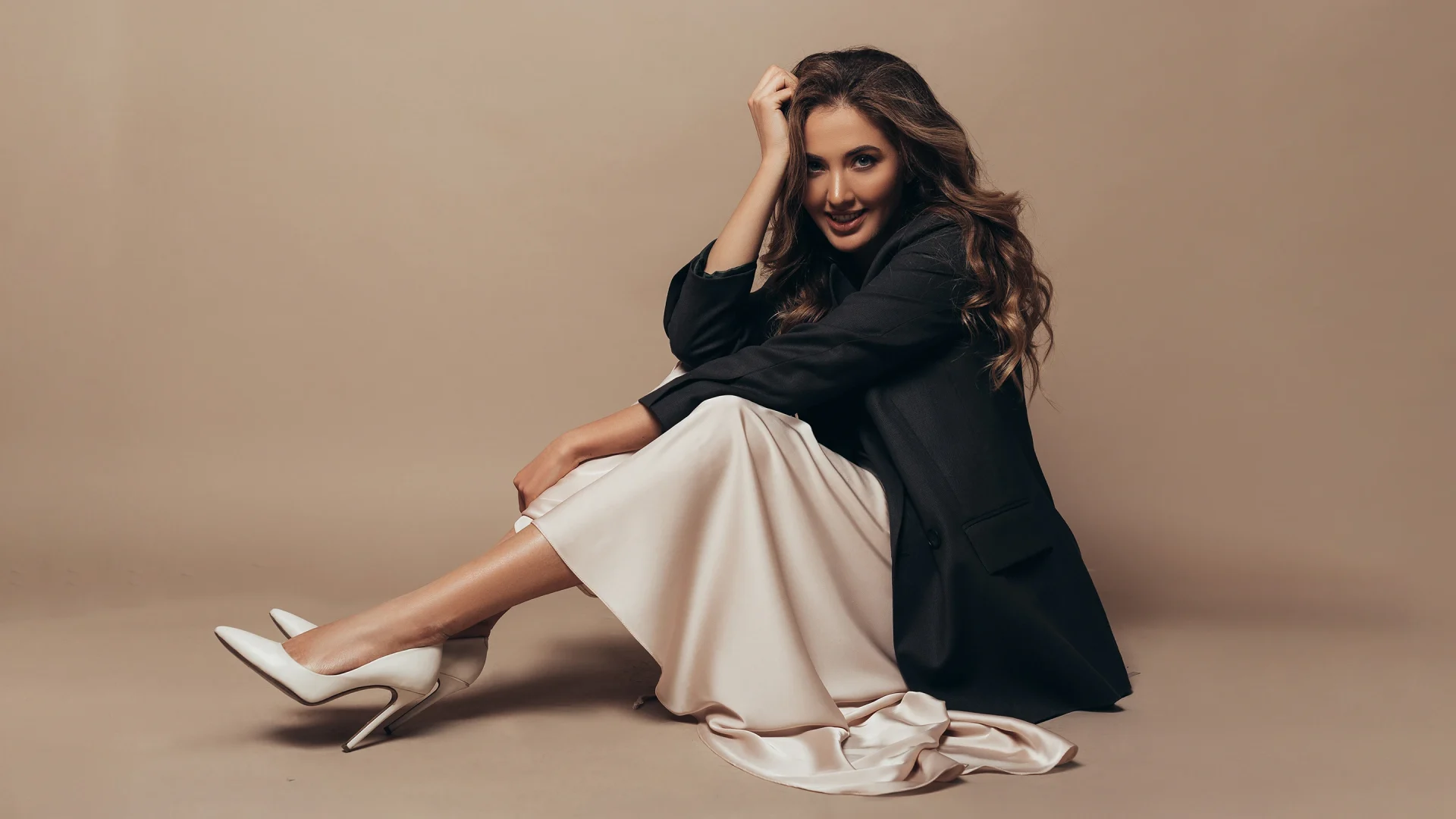
What is high fashion? In simple terms, high fashion is the top tier of the fashion world where creativity, craftsmanship, and brand heritage come together to shape trends and cultural taste. It includes couture and elite designer collections, often unveiled on runways, and it sets the visual language that later filters into luxury retail and everyday style.
This guide breaks down high fashion in an accessible way: what counts (and what doesn’t), how couture and ready-to-wear differ, why designer houses matter, how runway shows influence what you see in stores, and how high fashion differs from luxury shopping.
What Is High Fashion?
High fashion refers to fashion that sits at the pinnacle of design and production. It’s usually associated with:
- Design leadership: Original ideas that move fashion forward rather than follow it.
- Exceptional craftsmanship: Complex construction, premium materials, and refined finishing.
- Cultural influence: Runway moments, celebrity styling, editorial coverage, and museum-worthy design.
- Prestige and scarcity: Limited availability, high prices, and strong brand identity.
High fashion includes both haute couture (custom, handmade, extremely exclusive) and the most elevated levels of designer ready-to-wear (produced in sizes, sold through boutiques, and still highly curated).
High fashion is less about having a logo and more about setting the standard for design, craft, and influence.
High Fashion vs. Couture vs. Luxury: Key Differences
These terms get used interchangeably, but they don’t mean the same thing. Here’s how to tell them apart.
Haute Couture: The Highest Level of Craft
Haute couture (French for “high sewing”) is the most exclusive category. Couture pieces are made to order for a specific client, often with multiple fittings, and can involve hundreds of hours of handwork. In France, the term is also regulated: only certain fashion houses are officially recognized to show couture collections under strict rules.
What couture typically involves:
- Custom fit built to a client’s measurements
- Hand construction and specialist techniques (embroidery, beading, feathers, pleating)
- One-of-a-kind or ultra-limited garments
- Extremely high pricing due to labor and materials
Designer Ready-to-Wear: Runway to Wardrobe
Ready-to-wear (often called RTW or prêt-à-porter) is designed in standard sizes and produced for retail. High-fashion ready-to-wear can still be expensive and exceptionally made, but it’s not custom-built for one client the way couture is.
High-fashion RTW typically features:
- Seasonal collections (Spring/Summer, Fall/Winter)
- Distinct designer point of view and consistent brand codes
- High-quality fabrics and construction, though less handwork than couture
- Availability through flagship stores, select retailers, and brand e-commerce
Luxury Retail: Premium, But Not Always High Fashion
Luxury describes price point, materials, and brand positioning. Luxury retail includes designer fashion, but also leather goods, accessories, jewelry, watches, fragrance, and lifestyle items. Some luxury products are fashion-forward; others are designed to be classic and commercially reliable.
A luxury item can be beautifully made without being high fashion. High fashion is defined by its role in driving design direction and cultural influence, not just being expensive.
What Makes a Fashion House “High Fashion”?
High fashion is closely tied to iconic designer houses and their creative leadership. While many brands can produce luxury goods, high-fashion houses usually have a combination of:
- Heritage and storytelling: A recognizable origin, legacy, and set of brand codes.
- Creative direction: A designer (or design studio) shaping a distinct aesthetic each season.
- Runway presence: Collections presented in major fashion weeks or highly influential show formats.
- Atelier-level capability: Expertise in tailoring, draping, embellishment, and advanced techniques.
- Editorial gravity: Coverage in fashion media, styling in major shoots, and celebrity partnerships.
In other words, high-fashion houses don’t just sell clothing; they shape the conversation around what fashion is and where it’s going.
How the Runway Shapes High Fashion (and Your Closet)
Runway shows are more than spectacle. They are a communication tool: the brand sets a theme, introduces silhouettes and colors, and signals what’s next. Even if most people never buy runway pieces, runway influence spreads quickly through the fashion ecosystem.
From Concept to Trend
Design ideas that appear on runways often become trends through:
- Editorial interpretation (magazines, online features, look breakdowns)
- Celebrity dressing (red carpet and street style)
- Stylist and influencer adoption (capsule wardrobe edits, viral pieces)
- High-street translation (affordable versions of shapes, colors, and details)
Runway vs. Real Life
Some runway looks are designed to be wearable immediately; others are intentionally dramatic to showcase artistry. Even the most theatrical pieces often contain practical signals: a new hemline, a fresh shoulder shape, a rising color palette, or a revived fabric.
Couture: Why It Still Matters Today
Even in a world dominated by ready-to-wear, couture remains important because it preserves top-level craft and pushes design boundaries. Couture ateliers keep rare skills alive, from hand embroidery to precise tailoring methods that are difficult to replicate at scale.
Couture also functions as a brand’s “creative laboratory.” Ideas tested in couture may later influence:
- Ready-to-wear designs
- Accessories and handbag shapes
- Beauty campaigns and fragrance storytelling
- Red-carpet and custom celebrity looks
High Fashion vs. Luxury Retail: A Clear Comparison
If you’ve ever wondered why a luxury shopping district can feel different from “high fashion,” this comparison helps.
- Goal: High fashion aims to lead design culture; luxury retail aims to sell premium products consistently.
- Availability: High fashion can be limited or seasonal; luxury retail is designed for steady supply.
- Design risk: High fashion takes bigger creative risks; luxury retail often prioritizes timelessness and bestsellers.
- Craft focus: High fashion highlights technique and construction; luxury retail ranges from artisanal to mass-produced premium.
- Audience: High fashion can be niche and editorial; luxury retail targets broader buyers who want quality and status.
They overlap, but they’re not identical. A brand can be both high fashion and luxury, while some luxury brands are not considered high fashion if they don’t lead in design or runway influence.
Is High Fashion Only for the Ultra-Wealthy?
Purchasing couture is typically limited to a very small group. But engaging with high fashion is not limited to wealthy consumers. High fashion influences what people wear at every budget because ideas travel.
Ways people experience high fashion without buying runway looks include:
- Following runway coverage and look analyses
- Studying silhouettes, color stories, and styling approaches
- Shopping designer pieces secondhand or vintage
- Investing in one standout item (shoes, outerwear, tailoring) rather than a full wardrobe
Common High-Fashion Categories (Beyond Dresses)
High fashion isn’t only gowns and red-carpet looks. It spans a full wardrobe and can include some of the most refined versions of everyday pieces.
- Tailoring: Blazers, coats, and trousers with superior structure and fit.
- Eveningwear: Gowns, tuxedos, and embellished pieces for events.
- Footwear: Architectural heels, refined leatherwork, and directional shapes.
- Handbags: Often the commercial powerhouse of luxury houses, sometimes featuring artisanal techniques.
- Knitwear: Premium yarns, complex techniques, and elevated finishing.
- Accessories: Jewelry, scarves, belts, eyewear, and runway styling pieces.
How to Identify High Fashion Quality
If you’re trying to understand what separates high fashion from average clothing, focus on construction and materials, not just branding.
Fabric and Material Standards
High-fashion garments often use materials that look and feel different in motion and over time. Look for:
- Natural fibers with rich texture (wool, silk, cashmere, high-grade cotton)
- Intentional fabric weight and drape
- Consistent color saturation and finish
Construction and Finishing
Signs of elevated construction can include:
- Clean seams and thoughtful lining
- Pattern matching (plaids, stripes, prints aligned at seams)
- Strong shoulder structure in tailoring
- Quality closures (zippers, buttons, hooks) that feel secure and refined
Design Intent
High fashion usually shows clear design decisions: a distinct proportion, an unexpected cut, or a signature detail. Even minimal pieces tend to have something deliberate about them.
High Fashion and Sustainability: Where It Stands
High fashion is increasingly challenged by environmental and labor concerns, especially in a broader luxury system that can encourage overproduction and rapid trend cycles. At the same time, high fashion can align with sustainability in certain ways:
- Longevity: Better construction can mean garments last longer with proper care.
- Repair culture: Many houses offer repairs, alterations, and refurbishment services.
- Made-to-order models: Couture and some bespoke approaches reduce unsold inventory.
Still, sustainability varies widely by brand. If this matters to you, look for transparent sourcing, responsible material choices, and evidence of long-term product support.
How to Start Exploring High Fashion (Practical, No-Pressure)
If you’re curious about high fashion but don’t know where to begin, focus on learning the visual language and buying only when it makes sense for your life.
- Study runway recaps: Look for repeated themes across multiple shows, not just one viral moment.
- Pick one house to learn: Notice its silhouettes, colors, and recurring motifs over seasons.
- Start with tailoring or outerwear: These categories often show the biggest quality difference.
- Consider vintage and resale: You can access heritage pieces and better value, especially for iconic eras.
- Prioritize fit: Alterations can make even a simple designer piece look truly elevated.
FAQs About High Fashion
What is high fashion in simple words?
High fashion is the most elite level of fashion design and craftsmanship, often shown on runways and created by top designer houses. It sets trends and influences the rest of the fashion industry.
Is couture the same as high fashion?
Couture is part of high fashion, but not all high fashion is couture. Couture is custom-made and highly handcrafted, while high-fashion ready-to-wear is produced in standard sizes for retail.
Does high fashion always mean expensive?
High fashion is typically expensive because of materials, design expertise, and production methods. However, the core idea is influence and craft, not price alone. Some expensive items are luxury without being high fashion.
What’s the difference between designer and high fashion?
“Designer” simply means created by a designer brand. High fashion usually implies top-tier design leadership, runway influence, and exceptional craftsmanship. Some designer brands are high fashion; others are primarily luxury retail.
Can high fashion be worn every day?
Yes. Many high-fashion pieces are wearable, especially tailoring, coats, knitwear, shirts, and footwear. The key is balancing statement items with simpler basics so the look feels intentional rather than costume-like.
Conclusion: High Fashion as Craft, Culture, and Influence
Understanding what is high fashion comes down to recognizing its purpose: it’s where fashion becomes artful craft and cultural storytelling. Couture represents the peak of handwork, ready-to-wear delivers designer vision in wearable form, and runway shows broadcast the ideas that ripple into luxury retail and beyond.
If you approach high fashion as a way to learn about design, quality, and personal style—rather than just a price tag—you’ll start to see how it shapes the clothes you encounter every day.